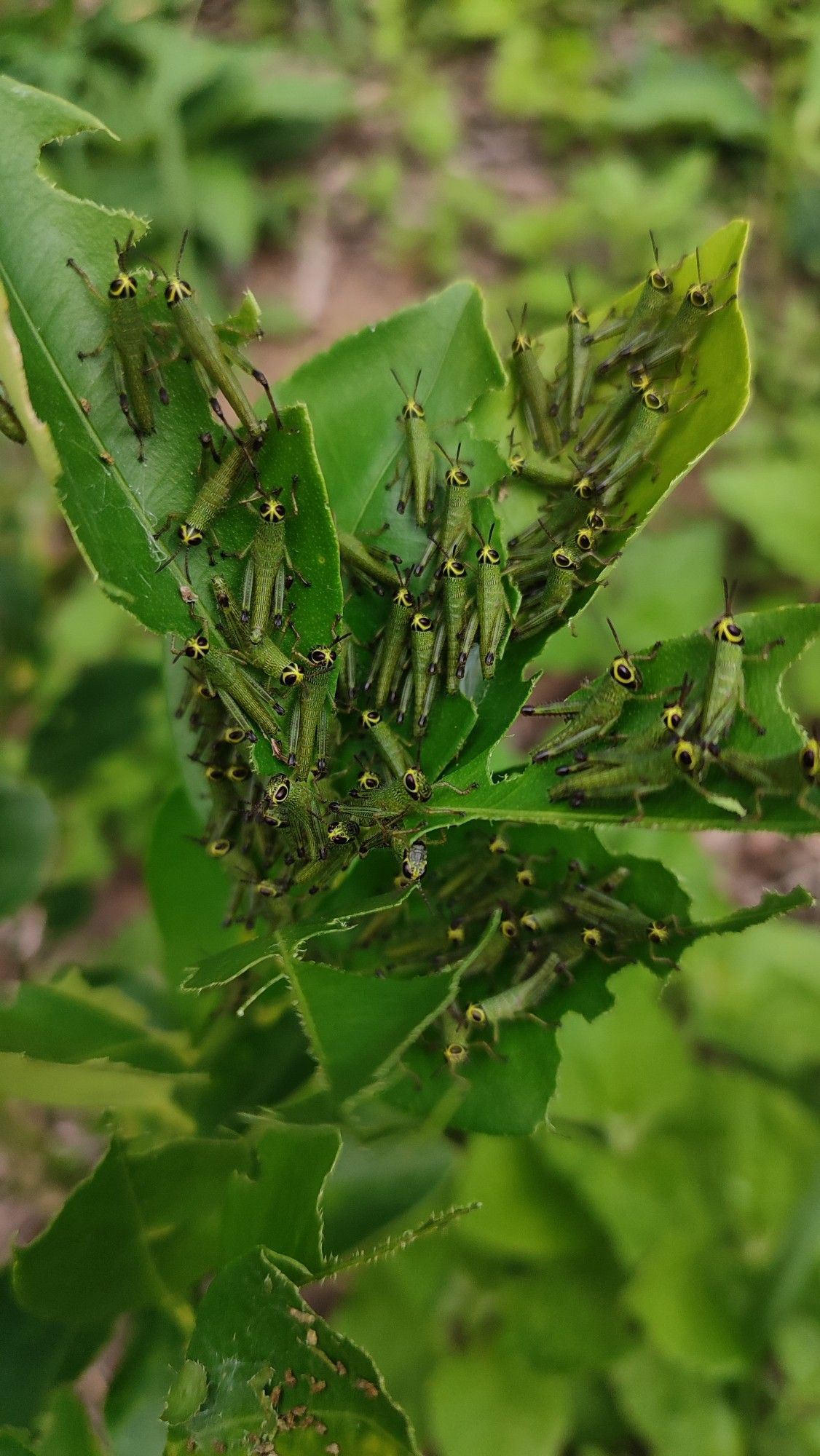
Learn how we protect Arizona trees from pests and disease with early ID, targeted treatments, and prevention steps that stop damage fast.
How We Save Trees From Pests in Arizona
A homeowner-friendly guide to identification, prevention, and treatment
Arizona trees deal with a lot. Extreme heat, dry air, hard water, and compacted soil can all weaken a tree. When a tree is stressed, pests move in faster. Insects and disease organisms take advantage of weak bark, dry roots, and thin canopies.
The good news is most pest problems are manageable when you catch them early. You do not need to panic. You need a clear plan. In this guide, we’ll walk through how we protect trees in Arizona. We’ll cover common pests, early warning signs, and what an arborist looks for.
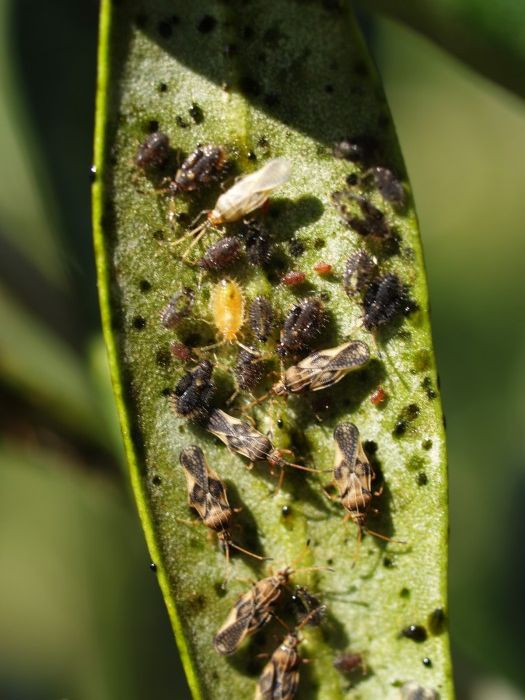
Table of Contents
- Common Tree Diseases and Pests in Arizona: A Complete Guide for Homeowners
- Common Tree Pests in Summer and Early Fall
- Common Pests in Arizona Trees
- Common Tree Diseases in Arizona
- Common Tree Pests in Arizona
- What Kind of Damage Can Pests and Insects Inflict on a Tree?
- Structural Damage and Disease Spread
- How Dead Trees Attract Pests
- Effective Tips for Controlling Insects and Disease
- What You Can Do to Prevent Common Tree Pests from Harming Your Trees
- The Role of Arborists in Pest Identification and Prevention
- How to Protect Your Trees From Pests and Diseases in Arizona
1) Common Tree Diseases and Pests in Arizona: A Complete Guide for Homeowners
If you own trees in Arizona, pest control is not a one-time task. It is part of regular tree care. Desert conditions can hide problems until they get serious. A tree may look “fine” from the street while pests work inside the canopy.
We approach tree pest issues like a system. We look at the tree’s health, the site conditions, and the pest pressure. That matters because pests are often a symptom, not the root cause. A stressed tree invites trouble.
When we help homeowners, we focus on three goals. Identify the pest. Reduce the damage. Prevent the next outbreak.
2) Common Tree Pests in Summer and Early Fall
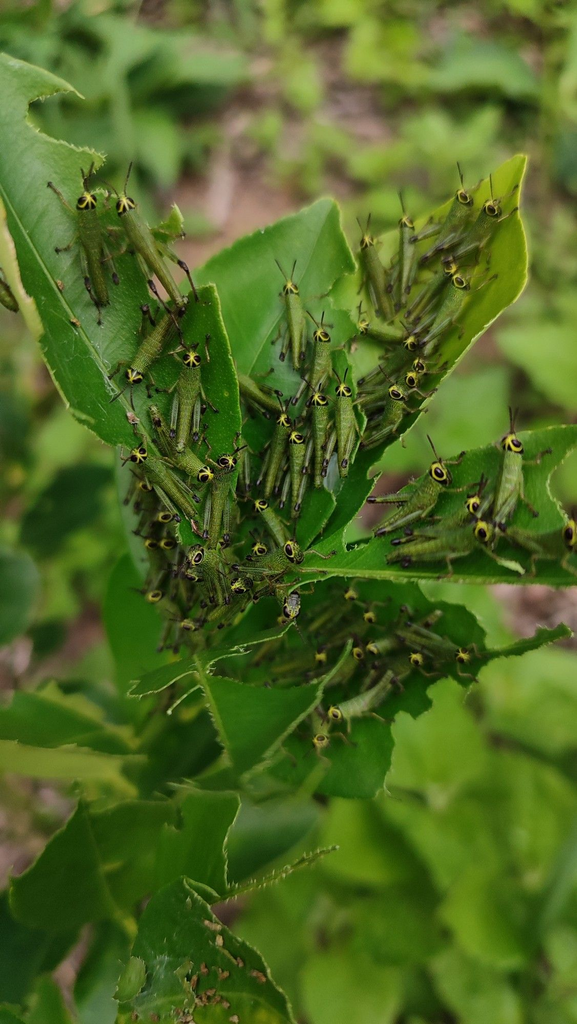
Summer and early fall are peak season for many Arizona pests. Heat speeds up insect life cycles. Trees also use more water in summer. If watering is inconsistent, trees get stressed fast.
During monsoon season, humidity can rise. That can increase fungal issues on certain species. This is the time of year we see more mites, scale, aphids, and boring insects. We also see more secondary problems.
Secondary problems happen when a tree is already weak. Pests move in because the tree cannot defend itself.
3) Common Pests in Arizona Trees
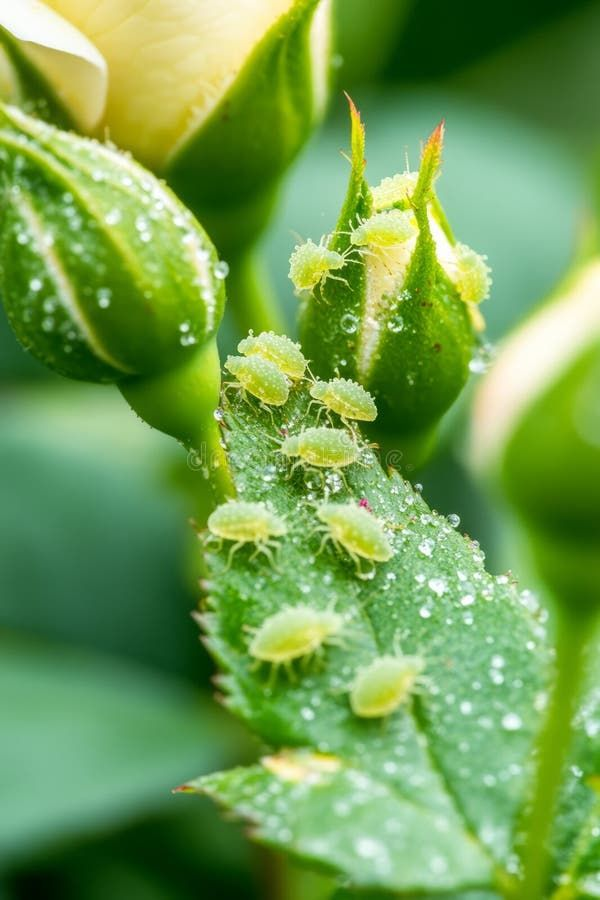
Arizona has a wide range of tree pests. Some attack leaves. Some attack bark. And some attack roots. Aphids are common on new growth. They suck sap and leave sticky honeydew. Scale insects attach to stems and branches. They can look like small bumps.
Spider mites thrive in hot, dry weather. They cause stippling and dusty-looking leaves. Leafhoppers can cause leaf curling and discoloration. They also spread some plant diseases. Borers are a bigger concern. They tunnel into wood and weaken structure.
Not every borer means the tree is doomed. But borers often signal stress.
4) Common Tree Diseases in Arizona
Diseases in Arizona often show up when trees are stressed or overwatered. Some are fungal. Some are bacterial. Root rot is a big one. It happens when soil stays too wet and roots lose oxygen.
Cankers can form on branches or trunks. They may ooze sap or look sunken. Sooty mold is common when aphids or scale are present. It grows on honeydew.
Powdery mildew can show up in certain conditions. It looks like a white dust on leaves. In many cases, “disease” is linked to irrigation or site issues. Fixing the environment is part of treatment.
5) Common Tree Pests in Arizona
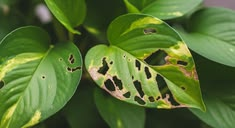
Some pests show up again and again in Arizona yards. Knowing the usual suspects helps you act faster. Aphids often hit citrus and ornamentals in spring and fall. They multiply quickly. Scale can be a long-term problem. It can weaken a tree slowly over months. Mites are common on many desert trees. They flare up during heat and drought.
Whiteflies can swarm certain plants and trees. They also leave honeydew. Caterpillars and worms can defoliate trees. Some chew leaves. Others bore into stems. Termites can attack dead wood and sometimes stressed trees. They are more common near moisture sources.
6) What Kind of Damage Can Pests and Insects Inflict on a Tree?
Pest damage is not just about ugly leaves. It can reduce growth, weaken structure, and shorten a tree’s life. Sap-sucking insects reduce a tree’s energy. Leaves may yellow or drop early.
Defoliators remove leaf area. Less leaf area means less energy for roots and recovery. Borers damage the wood itself. That can lead to branch failure or trunk weakness.
Some pests also spread disease. That turns a pest problem into a health problem. Even mild infestations can matter in Arizona. Heat already pushes trees to their limit.
7) Structural Damage and Disease Spread
When pests weaken a tree, structural risk goes up. Branches can crack. Unions can fail. Borers and decay organisms often work together. A borer wound can become a decay entry point. Once decay starts, it can spread inside the wood. The outside may still look normal.
That is why we take pest issues seriously near homes and sidewalks. Safety matters. A weakened tree can also become a pest source for nearby plants. Problems spread yard to yard.
8) How Dead Trees Attract Pests
Dead or dying trees are pest magnets. They attract borers, termites, and other insects. Those insects may not stop at the dead tree. They can move to stressed trees nearby. Dead wood also supports fungi. Fungal spores can spread in the area.
If you have a dead tree, removal is often part of pest prevention. It reduces pressure on the rest of your landscape. It also reduces safety risk. Dead trees fail more easily in wind.
9) Effective Tips for Controlling Insects and Disease
Control starts with correct identification. Treating the wrong pest wastes time and can harm beneficial insects. Start by inspecting the tree. Look at new growth, leaf undersides, and branch junctions.
Check for honeydew, black sooty mold, webbing, or tiny moving dots. Those clues matter. Improve tree health first. A healthy tree resists pests better. Water deeply and consistently. Avoid daily shallow watering.
Mulch helps stabilize soil temperature and moisture. Keep mulch off the trunk. Prune correctly. Remove dead wood and improve airflow. Avoid heavy pruning during extreme heat. It can stress the tree and expose bark.
Use targeted treatments when needed. That may include horticultural oils, soaps, or specific products. Always follow label directions. Overuse can burn leaves in summer.
10) What You Can Do to Prevent Common Tree Pests from Harming Your Trees
Prevention is easier than rescue. Most homeowners can reduce pest risk with a simple routine.
First, keep irrigation consistent. Stress swings invite pests. Second, avoid overwatering. Wet soil can cause root problems that look like pest damage. Third, feed trees appropriately. Use the right fertilizer for the species. Fourth, protect trunks from sunburn. Sunburned bark becomes an entry point. Fifth, clean up dead wood and fallen fruit. It attracts insects. Sixth, inspect monthly during warm seasons. Early detection is everything.
If you see a small problem, act early. Waiting usually makes treatment harder.
11) The Role of Arborists in Pest Identification and Prevention
Arborists do more than spray. A good arborist diagnoses the whole situation. We look at the tree species, age, and structure. And we also look at soil, irrigation, and exposure.
We identify the pest and the level of infestation. We also check for secondary issues. Secondary issues include root stress, sunburn, and poor pruning. We then choose a plan that fits the tree and the season. Timing matters in Arizona.
Some treatments work best at certain life stages. Others should be avoided in extreme heat. Arborists also help protect beneficial insects. That matters for long-term balance.
12) How to Protect Your Trees From Pests and Diseases in Arizona
Use mulch to keep roots cooler. Heat-stressed roots invite pests. Prune for structure and airflow. Remove dead wood before pests move in. If you want to protect Arizona plants from unwanted worms and insects, inspect leaves often. Look for chewing damage and frass.
Hand-remove small infestations when possible. Use targeted treatments early. For outdoor and indoor plants, avoid overwatering. Fungus gnats and root issues often start in wet soil.
Indoors, isolate new plants for a short period. Pests spread fast in close spaces. Protect your trees before problems spread by acting at the first signs. Sticky leaves, webbing, and leaf drop are early warnings.
How AZ Tree Doctor Helps:
We help homeowners protect trees with a practical, Arizona-specific approach. We start with identification. So we inspect the canopy, trunk, and root zone. We look for pest signs and stress signals.
Then we recommend the safest next step. That may be a targeted treatment, pruning, or irrigation adjustments. We also help you prevent repeat problems. That includes seasonal checkups and care plans.
Call AZ Tree Doctor for help protecting your trees from pests and insects if you see:
Sudden leaf drop, sticky residue, black sooty mold, webbing, holes in bark, or dieback. Early action can save the tree and protect nearby plants.
Conclusion
Tree pests in Arizona are common, but they do not have to win. Most infestations become serious only when they go unnoticed. If you learn the early signs and keep your trees healthy, you can prevent most damage. Focus on consistent deep watering, proper pruning, trunk protection, and regular inspections. When you see a problem, identify it correctly and treat it early. That is how you stop spread. If you want a clear plan and professional evaluation, AZ Tree Doctor can help you protect your trees year-round.
CTA
Seeing sticky leaves, webbing, scale bumps, or sudden dieback? Contact AZ Tree Doctor today for a pest inspection and a desert-safe treatment plan.
FAQs
Can tree pest damage Arizona trees?
Yes. Pests can weaken leaves, branches, and even the trunk. In Arizona heat, stressed trees can decline faster when pests are active.
How do I know if my tree has pests or disease?
Look for sticky residue, black sooty mold, webbing, yellowing leaves, holes in bark, sawdust-like frass, or sudden branch dieback.
Should I treat pests myself or call an arborist?
Small issues can sometimes be managed early, but correct identification matters. If the problem is spreading or the tree is large, call an arborist.
Tag
Arizona tree pest control, Tree disease prevention Arizona, Certified arborist pest inspection
Comments are closed