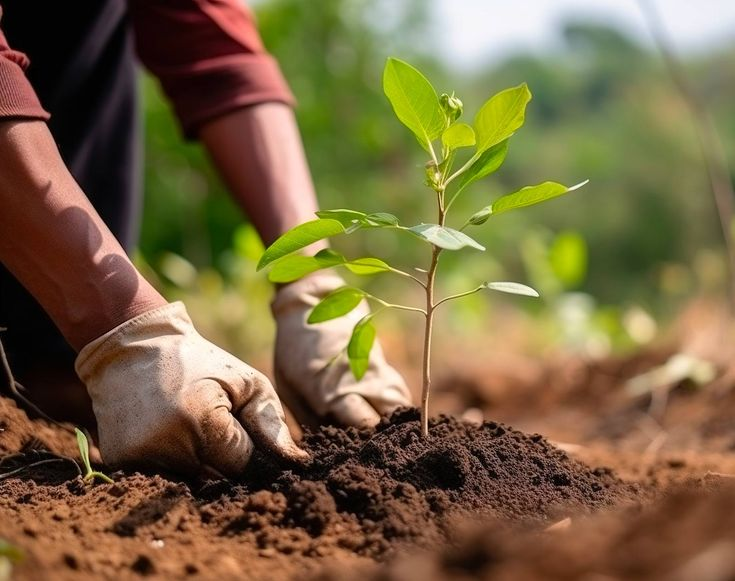
Learn when to fertilize trees in Arizona, which trees need it, and simple tips to avoid overfeeding and stress.
Table of Contents
1. Understanding the Role of Fertilization in Desert Climates
2. Do All Trees in Arizona Need Fertilizer?
3. Trees That Typically Need Fertilization
4. Trees That Typically Don’t Need Fertilization
5. Signs Your Tree May Need Fertilizer
6. When Is the Best Time to Fertilize Trees in Arizona?
7. When Should I Fertilize My Trees? (Season-by-Season)
8. Arizona Tree Fertilization Tips:
9. How to Fertilize Trees Common To Arizona
10. Fertilizer Protects Your Trees From Common Diseases.
11. Should I do Tree Fertilization Myself?
Understanding the Role of Fertilization in Desert Climates
Arizona trees live in a different world than trees back east. Our soils are often alkaline, low in organic matter, and hard as concrete when dry. That changes how nutrients move and how roots absorb them.
Fertilizer is not “tree food” in the way most people think. Your tree makes its own food from sunlight, water, and air. Fertilizer supports growth by supplying missing nutrients.
In desert climates, timing matters more than quantity. If you fertilize when the tree is stressed, you can make problems worse. The goal is steady health, not a fast growth spike.
Do All Trees in Arizona Need Fertilizer?
No, not all trees need fertilizer. Some trees do great with proper watering and mulch alone. Others struggle because our soil chemistry blocks key nutrients.
A good rule is this: fertilize for a reason. Don’t fertilize just because it’s spring and the bag is on sale. Start by looking at the tree’s growth and leaf quality.
If your tree looks healthy and grows normally, you may not need anything. If it looks thin, pale, or stalled, fertilizer might help. But it’s smart to confirm the “why” first.
Trees That Typically Need Fertilization
Many Arizona landscapes include trees that need extra support. This is common with trees planted into builder-grade fill dirt. It’s also common with trees in small, boxed-in planters.
Trees that often benefit from fertilization include citrus trees. They are heavy feeders and show nutrient issues quickly. Fruit trees also tend to need regular nutrient support.
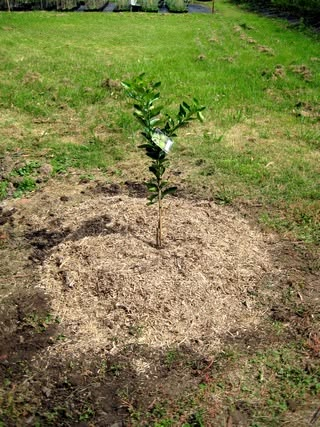
Some fast-growing shade trees may need help, too. If they are irrigated often, nutrients can leach away. That can leave the tree hungry even with good watering.
Trees That Typically Don’t Need Fertilization
Native and desert-adapted trees often need less fertilizer. Mesquite, palo verde, and ironwood are built for tough soils. Overfeeding them can push weak, breakable growth.
Established trees in healthy soil may not need much either. If they have a wide root zone and good mulch, they can self-sustain. In those cases, compost and proper irrigation can be enough.
Also, trees under drought stress should not be fertilized aggressively. If the tree cannot take up water well, it cannot use nutrients well. Fix the stress first, then consider feeding.
Signs Your Tree May Need Fertilizer
Your tree usually tells you when something is off. The trick is learning what the signals mean. Some signs point to nutrients, while others point to water.
Look for pale leaves or yellowing between leaf veins. That can indicate iron chlorosis, which is common in Arizona. It can also show up as weak new growth.
Watch for small leaves and short twig growth. If growth slows year after year, nutrients may be limited. Leaf drop outside normal seasons can also be a clue.
But don’t guess if you can avoid it. Many “fertilizer problems” are actually irrigation problems. Overwatering and underwatering can both mimic nutrient issues.
When Is the Best Time to Fertilize Trees in Arizona?
In most Arizona yards, the best fertilizing windows are spring and fall. That’s when many trees are actively growing and can use nutrients. It’s also when temperatures are less extreme.
For many shade trees, early spring is a strong choice. Think late February through April in the Phoenix area. You want new growth starting, not full summer heat.
Fall can be a second good window for many trees. September through early November often works well. The tree can store nutrients without being pushed into heat stress.
Avoid heavy fertilizing during peak summer heat. June through August can be brutal on roots and leaves. Fertilizer can trigger growth the tree can’t support.
Also avoid fertilizing right before a hard freeze. New growth is tender and can be damaged by cold snaps. In Arizona, that’s usually a winter timing issue.
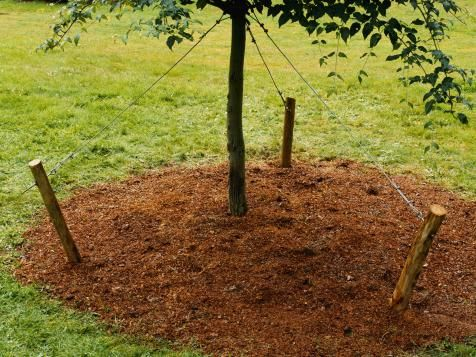
When Should I Fertilize My Trees? (Season-by-Season)
Here’s a simple seasonal way to think about it. Match your fertilizing to your tree’s growth cycle. Then adjust for the type of tree you have.
Spring (late Feb–Apr): Great for most landscape trees. This supports leaf-out, flowering, and early growth. It’s also a good time for micronutrients like iron.
Early summer (May): Use caution and go light. If you fertilize, focus on slow-release products. Stop before the hottest weeks arrive.
Monsoon season (Jul–Sep): Usually not the best time for big feedings. Trees are already managing heat, wind, and sudden water swings. If you must fertilize, keep it mild and targeted.
Fall (Sep–early Nov): Often a great second feeding window. This can help recovery from summer stress. It also supports root health going into winter.
Winter (late Nov–Jan): Usually skip fertilizing. Most trees slow down and won’t use nutrients well. Focus on pruning, inspection, and irrigation adjustments.
Arizona Tree Fertilization Tips:
A few small changes can make fertilizer work better in Arizona. These tips also reduce waste and prevent tree damage. They keep your yard safer, too.
Use slow-release fertilizer for most trees. Fast-release products can burn roots and push weak growth. Slow-release feeds are steady and easier to manage.
Water correctly before and after fertilizing. Dry soil plus fertilizer can stress roots quickly. Moist soil helps nutrients move into the root zone.
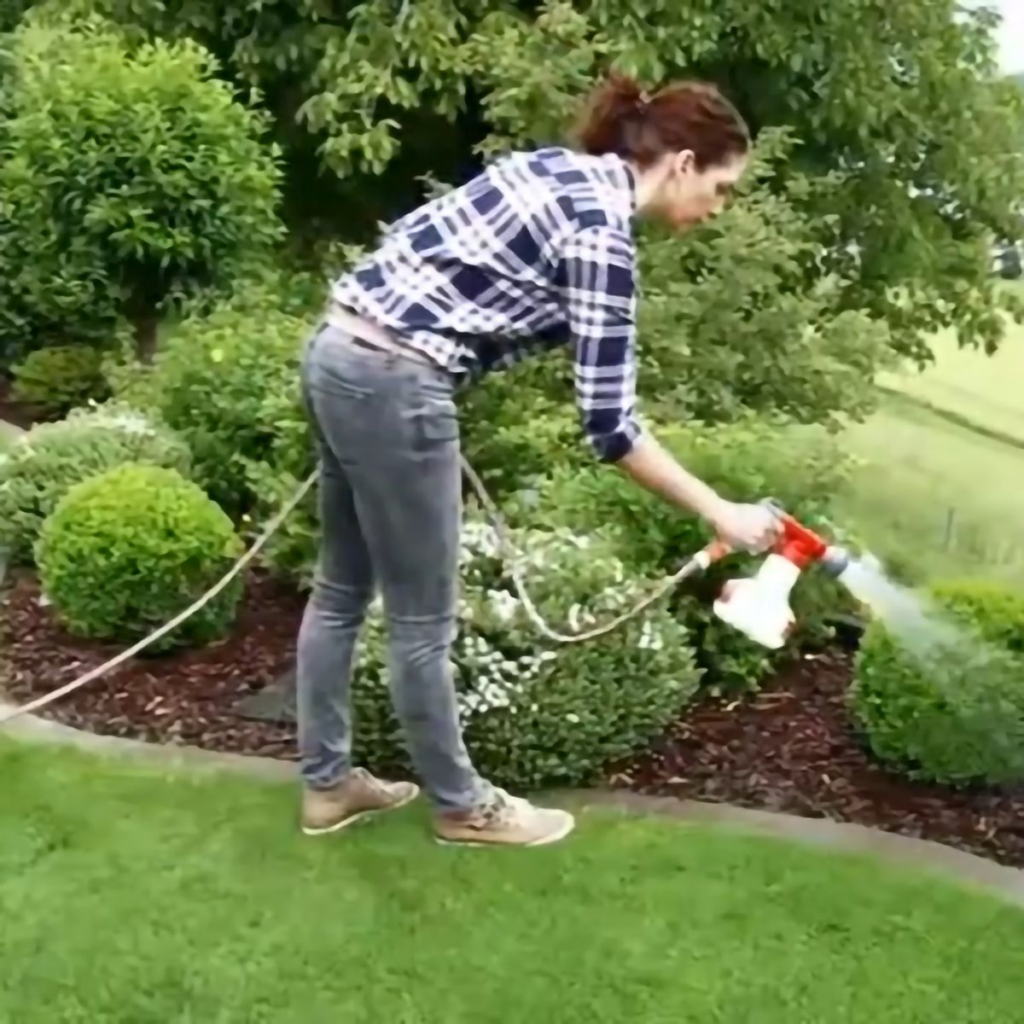
Keep fertilizer away from the trunk. Roots that absorb nutrients are mostly out near the drip line. Spread product evenly under the canopy instead.
Mulch helps more than most people realize. A 2–4 inch mulch ring improves soil biology and moisture. It also helps nutrients stay available longer.
If your soil is very alkaline, iron issues are common. In that case, iron products may help more than “all-purpose” fertilizer. But the right product depends on the tree and symptoms.
How to Fertilize Trees Common To Arizona
Different trees have different needs in Arizona. Here are practical, homeowner-friendly guidelines. Use them as a starting point, not a strict rule.
Citrus trees: Fertilize more regularly than most trees. Many homeowners do light feedings in spring and fall. Some citrus programs also include early summer support.
Fruit trees (peach, plum, apricot): Feed in early spring. Avoid heavy nitrogen later, or you may get weak growth. Focus on balanced nutrition and consistent watering.
Olive trees: Often need less fertilizer than people think. Overfeeding can cause excessive vegetative growth. If growth is steady, you may only need minimal feeding.
Palo verde and mesquite: Usually do not need much fertilizer. They are adapted to low-nutrient desert soils. If you fertilize, keep it light and infrequent.
Ash, elm, and other shade trees: Spring is the main window. Use slow-release and avoid summer overfeeding. Support root health with mulch and deep watering.
Always follow label rates and avoid doubling “for results.” More fertilizer does not mean a healthier tree. It often means more problems later.
Fertilizer Protects Your Trees From Common Diseases.
Fertilizer does not act like a pesticide. But a well-fed tree can defend itself better. That matters in Arizona, where stress is constant.
When a tree is nutrient-deficient, it grows weaker tissue. That tissue is more attractive to pests and more prone to damage. It also heals more slowly after pruning or storms.
Balanced nutrition supports leaf strength and root function. It can reduce the impact of some stress-related issues. It also helps the tree recover faster after heat waves.
That said, fertilizer can backfire if used incorrectly. Too much nitrogen can attract sucking insects and create soft growth. Healthy trees come from balance, not heavy feeding.
Should I do Tree Fertilization Myself?
You can fertilize your trees yourself in many cases. But you should know what you’re trying to fix. Otherwise, you may waste money or harm the tree.
DIY fertilizing works best for routine feeding. It also works when you have a clear plan for citrus or fruit trees. Slow-release products are usually safer for homeowners.
You should call a pro when the tree is declining fast. You should also call a pro if you suspect iron chlorosis or soil issues. A targeted plan beats guessing every time.
If the tree is large, the stakes are higher. A big shade tree is expensive to remove and hard to replace. It’s worth getting expert eyes before you treat it.
How AZ Tree Doctor Helps
If you’re not sure when to fertilize, we can help. AZ Tree Doctor looks at the full picture, not just the leaves. That includes soil, irrigation, canopy health, and root zone conditions.
We start by checking your tree’s growth pattern and leaf color. We also look for stress signs like dieback, scorch, and thinning. Then we match the solution to the cause.
If fertilization makes sense, we recommend the right approach. That may include slow-release feeding, iron support, or soil improvement. We keep it simple and safe for Arizona conditions.
We can also spot problems fertilizer won’t fix. Sometimes the real issue is watering depth, drainage, or compaction. Fixing that first often saves the tree.
CTA
If your trees look pale, thin, or stalled, don’t guess. Get a plan that fits Arizona soil and weather. Contact AZ Tree Doctor to schedule a tree health check and fertilization guidance.
FAQs
When should you fertilize trees in Arizona?
Most Arizona trees do best with fertilizing in spring and sometimes again in fall. Aim for late February through April, then September through early November. Avoid heavy feeding during peak summer heat.
Can I just put fertilizer on top of the soil?
You can apply granular fertilizer on top of the soil, but placement matters. Spread it evenly under the canopy, not against the trunk. Water it in so nutrients move into the root zone.
Can over-fertilizing hurt my trees?
Yes, too much fertilizer can burn roots and stress the tree. It can also push fast, weak growth that breaks in storms. Always follow label rates and use slow-release when possible.
Conclusion
Fertilizing trees in Arizona is about timing and restraint. Spring and fall are usually the safest windows for most landscapes. The healthiest trees get steady care, not sudden growth boosts.
If you’re unsure what your trees need, start with observation. Look at leaf color, growth rate, and overall canopy density. Then choose a plan that supports long-term health.
Tags
Arizona tree care, Tree fertilization, Scottsdale arborist
·
Comments are closed