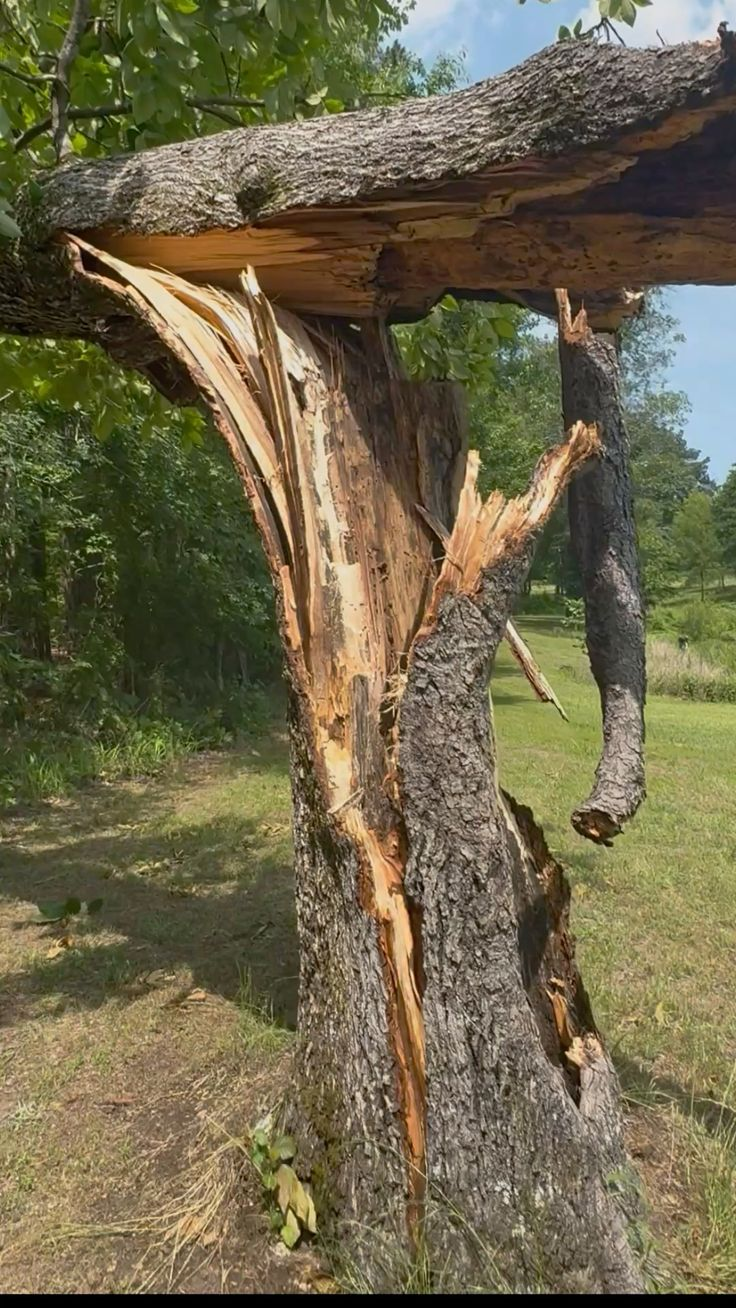
Learn the warning signs of cracked tree trunks in Scottsdale, what causes them, when removal is urgent, and how AZ Tree Doctor can help.
How to spot dangerous trunk cracks and make the safest call
A cracked tree trunk is not just a cosmetic problem. In Scottsdale, trunk cracks often show up after storms, heat stress, or years of hidden decay.
Sometimes a crack is minor and the tree can recover. Other times, the crack is a structural warning sign that the tree could fail without much notice.
If that tree is near your home, driveway, pool, or sidewalk, the risk goes up fast. A trunk failure can drop thousands of pounds in seconds.
This guide explains what trunk cracks mean, what causes them in Arizona, and when immediate removal is often the safest option.
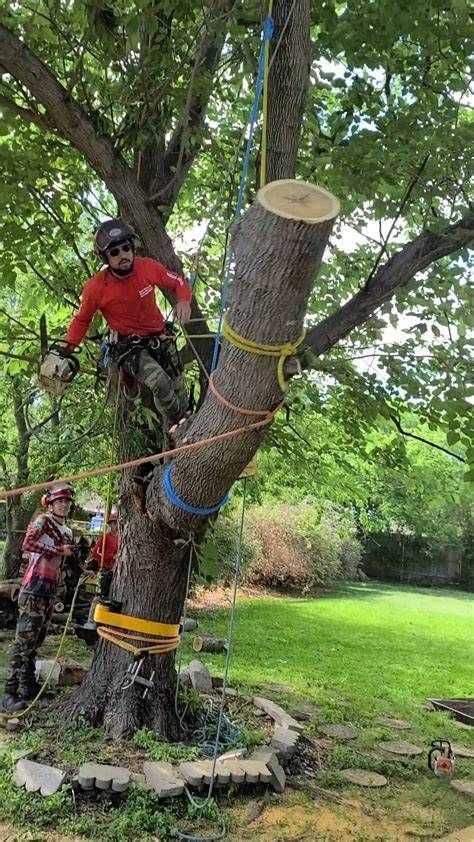
Table of Contents
- Do Cracked Tree Trunks Mean Immediate Removal?
- Why Trunk Cracks Should Never Be Ignored
- What Causes Tree Trunk Cracks?
- Types of Cracks and What They Mean
- Superficial Bark Splits
- A Cracked Trunk Is a Structural Warning Sign
- Warning Signs the Crack Is Worsening
- How Certified Arborists Assess Trunk Damage
- When Cracked Trunks Require Immediate Removal
- Why Immediate Removal Is Often the Only Safe Option
- When a Cracked Tree May Be Saved (and Why Removal Is Often Safer Than Trimming)
- Managing Trees with Cracked Branches + How AZ Tree Doctor Helps + Let Our Team Evaluate Your Cracked Tree
1) Do Cracked Tree Trunks Mean Immediate Removal?
Not always. Some cracks are shallow and only affect the outer bark. Those can look dramatic but may not be dangerous. The problem is that many trunk cracks are not shallow. A trunk can split into the wood that actually holds the tree up.
When the crack goes deep, the trunk loses strength. The tree can still stand, but it may not be stable. In Scottsdale, heat and dry soil can make cracks worse over time. Wind events can finish the job.
So the real answer is this. A cracked trunk means you need an evaluation quickly, especially if the crack is large or growing.
2) Why Trunk Cracks Should Never Be Ignored
A trunk is the tree’s main support column. When it cracks, the tree’s load path changes. That means weight shifts to weaker wood. It also means the crack can open and close with wind.
Each movement can tear fibers and expand the split. Over time, the tree becomes more likely to fail. Cracks also allow water and pests into the tree. That can speed up decay inside the trunk.
A tree can look green and healthy while the trunk is failing. Leaves do not always tell the full story.
3) What Causes Tree Trunk Cracks?
Trunk cracks can happen for several reasons. In Scottsdale, the most common causes are stress and sudden force. Strong wind can twist the trunk. Heavy rain can soften soil and reduce root grip.
Heat stress can dry wood and shrink tissues. Then a sudden watering or monsoon humidity can cause swelling. Sunburn can also damage bark. When bark dies, the wood underneath becomes exposed and weak.
Old pruning wounds are another cause. A large cut can start internal decay, and decay can lead to cracking. Some cracks come from lightning strikes. Those are usually severe and often require removal.
4) Types of Cracks and What They Mean
Not all cracks are equal. The location, depth, and pattern matter. A vertical crack can run up and down the trunk. It may be a bark split, or it may be a deep structural split.
A horizontal crack can be more concerning. It can signal a shear point where the trunk may snap. A spiral crack can happen when the tree twists. That can mean the tree has experienced major stress.
Cracks near the base are often the most dangerous. That is where the tree carries the most load. Cracks near a major branch union can also be serious. That area already handles complex forces.
5) Superficial Bark Splits
A superficial bark split is a crack that stays mostly in the bark layer. It may look wide, but it does not go deep into the wood. These can happen after rapid temperature changes. They can also happen when bark gets sunburned.
If the tree is otherwise stable, a bark split may heal over time. You may see callus tissue forming along the edges. Even so, you should still monitor it. A bark split can become an entry point for insects and disease.
If you see oozing sap, soft wood, or a hollow sound, it may not be superficial.
6) A Cracked Trunk Is a Structural Warning Sign
When a crack goes into the wood, it changes how the tree holds itself up. Think of a wooden post with a split. It can still stand, but it is weaker.
Trees are dynamic. They move in the wind. They carry weight from branches and leaves. A structural crack means the tree may not handle normal movement safely.
This is especially true for fast-growing species with heavy canopies. It is also true for trees with decay. In Scottsdale neighborhoods, the risk is not just the tree. It is what the tree can hit.
7) Warning Signs the Crack Is Worsening
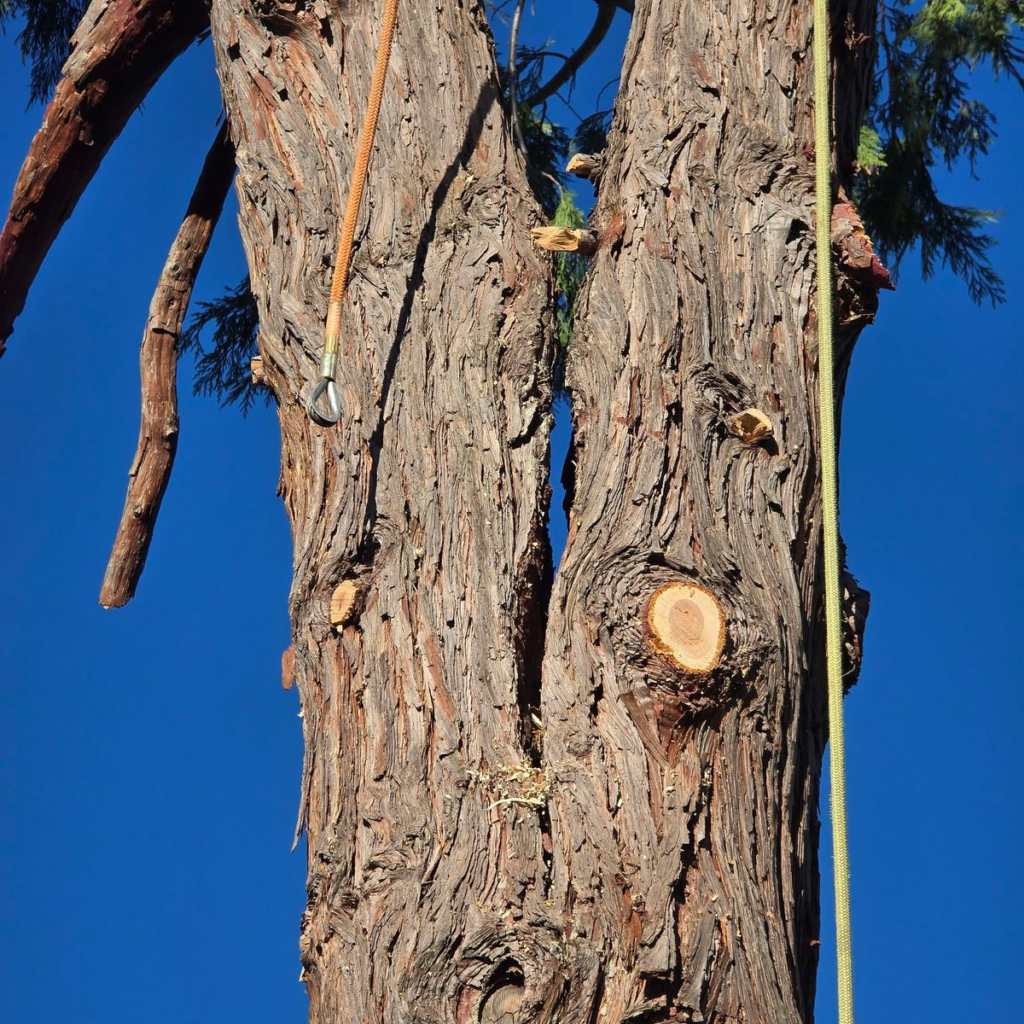
Some warning signs mean the crack is actively getting worse. These are the signs you should not ignore. The crack looks longer than it did before. The edges look fresh or lighter in color.
The crack opens wider during windy days. You may even hear creaking. You see sawdust, frass, or insect activity around the split. That can signal boring insects.
You see mushrooms or conks near the crack or at the base. That often points to internal decay. The tree starts leaning more than it used to. Or the soil lifts on one side.
You see dead branches forming quickly in the canopy. That can be a stress response. You see sap bleeding, wet streaks, or foul-smelling ooze. That can signal rot. If any of these are present, treat it as urgent.
8) How Certified Arborists Assess Trunk Damage
A proper assessment is more than a quick look. Certified arborists evaluate the tree’s structure and risk. They look at crack depth and location. They check if the crack crosses into the heartwood.
They inspect the base for root issues. Root failure and trunk failure often show up together. They look for decay indicators. That includes cavities, fungal bodies, and soft wood.
They also look at canopy balance. A heavy, unbalanced canopy increases leverage on the crack. They consider targets. A cracked tree in an open field is different than a cracked tree over a home. In some cases, tools can help. Sounding, probing, or advanced testing may be used when needed.
The goal is a clear recommendation. Save it safely, reduce risk, or remove it.
9) When Cracked Trunks Require Immediate Removal
Immediate removal is often recommended when the tree has a high risk of failure and a high-impact target. Here are common scenarios where removal is usually the safest call.
The crack is deep and runs through a large portion of the trunk. The trunk looks split into two sections. The crack is at the base. Base cracks can compromise the entire tree’s stability.
The tree is leaning and the crack is on the tension side. That can mean the tree is actively failing. You see decay with the crack. Soft wood, cavities, or fungal growth plus a crack is a dangerous combo.
The crack is paired with root movement. If the soil is lifting or roots are breaking, removal becomes urgent. The tree has already dropped large limbs. That can be a sign the structure is failing.
The tree is near a house, driveway, play area, or public sidewalk. Target risk matters. If you are unsure, treat it as urgent until a professional confirms otherwise.
10) Why Immediate Removal Is Often the Only Safe Option
Once a trunk is structurally compromised, there is no true “repair.” Trees do not heal like humans. They can compartmentalize damage. They can grow callus tissue. But they cannot re-knit broken wood fibers.
Cabling and bracing can help in some cases. But it is not a magic fix. If the crack is deep, the tree may fail before it has time to stabilize.
In Scottsdale, wind events and monsoon storms can push a compromised tree past its limit. Removal is often the only option when the risk is high and the consequences are severe. It is not about saving money. It is about preventing injury and property damage.
11) When a Cracked Tree May Be Saved (and Why Removal Is Often Safer Than Trimming)
Some cracked trees can be saved. This is more likely when the crack is shallow and the tree is otherwise healthy. If the crack is mostly in the bark and the wood is solid, monitoring may be enough.
If the crack is in a smaller area and the tree has strong structure, selective pruning may reduce load. If the tree is young, it may recover better than a mature tree with decay.
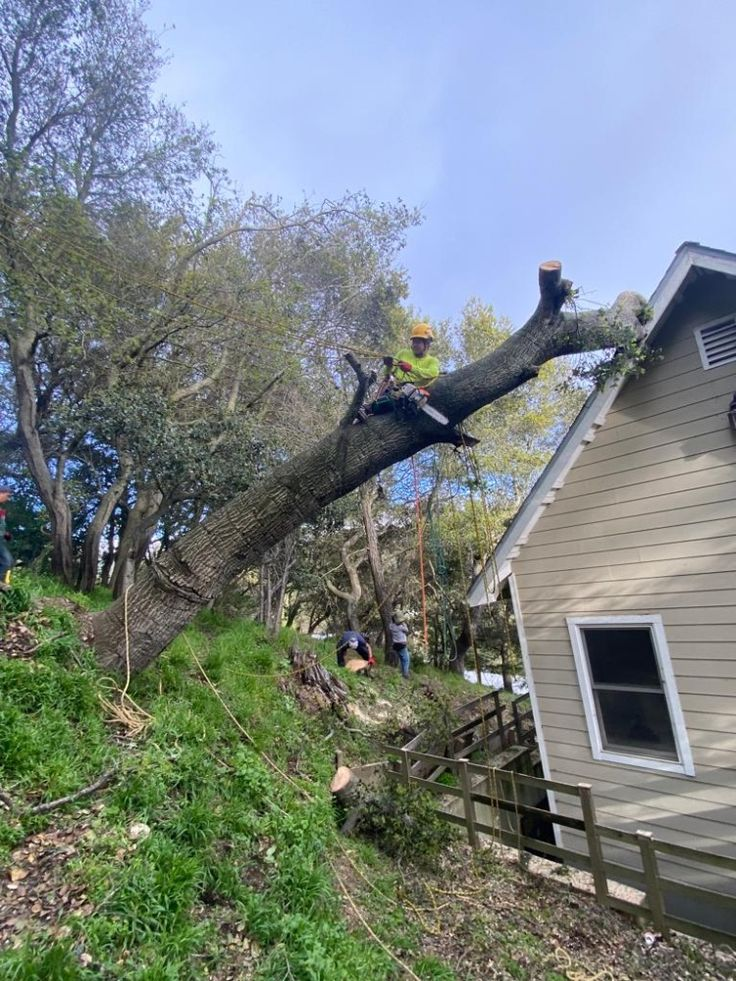
That said, trimming is not always safer. Many people think “just trim it back” solves the problem. If you remove too much canopy, you can stress the tree and increase failure risk.
If you reduce canopy unevenly, you can create imbalance and more leverage on the crack. So the decision needs to be based on structure, not hope. A good arborist will tell you if saving is realistic. They will also tell you if removal is the safer path.
12) Managing Trees with Cracked Branches + How AZ Tree Doctor Helps + Let Our Team Evaluate Your Cracked Tree
Cracked branches are different than cracked trunks. A branch can fail without the whole tree failing. Still, cracked branches can be dangerous. They can drop without warning, especially in wind.
If a branch is cracked at the union, it may need removal or reduction pruning. If a branch crack is paired with included bark, the union is often weak.
If multiple branches are cracking, the tree may have overall structural issues. How AZ Tree Doctor Helps: AZ Tree Doctor evaluates cracked trunks and branches with safety as the priority. We look at the crack, the base, the canopy, and the targets below.
We help you understand what is happening and what your options are. If the tree can be saved, we explain the safest plan. If removal is the best option, we handle it with professional equipment and a controlled process. We focus on protecting your home and your property.
We also help with follow-up planning. That includes stump options and replacement tree recommendations that fit Scottsdale yards. Let Our Team Evaluate Your Cracked Tree: If you see a trunk crack, do not wait for the next storm. Schedule an on-site evaluation. A quick assessment now can prevent a major emergency later.
Conclusion
A cracked tree trunk is a structural warning sign, not a small defect. Some cracks are superficial, but many are not. If the crack is deep, growing, near the base, or paired with decay, the risk can be immediate. In Scottsdale, heat stress and monsoon winds can turn a weakened trunk into a sudden failure. The safest move is to get a professional evaluation fast. If removal is recommended, it is usually because the tree cannot be made reliably safe.
CTA
If you notice a crack in your tree trunk, contact AZ Tree Doctor today. We’ll evaluate the risk and help you choose the safest next step for your property.
FAQs
Can a tree survive a cracked trunk?
Sometimes. If the crack is superficial and the wood is solid, the tree may recover. Deep structural cracks often require removal for safety.
What to do if a tree trunk is splitting?
Treat it as urgent. Keep people away from the area and schedule a professional evaluation. Avoid pruning heavily until an arborist assesses the risk.
What causes cracks in tree trunks?
Common causes include wind stress, heat and drought stress, sunburn, decay from old wounds, lightning, and sudden changes in moisture.
Tags
Cracked tree trunk Scottsdale, Tree removal warning signs, Certified arborist Scottsdale
Comments are closed