Best Growing Trees to Plant at the Start of Fall in Arizona
Plant trees in early fall in Arizona for stronger roots and easier care. See the best trees, native options, and simple planting steps.
Introduction
Fall in Arizona feels different depending on where you live. Phoenix may still feel warm, Flagstaff cools quickly, and Tucson sits somewhere in between. But across the state, early fall is one of the best times to plant trees. The air cools down, the soil stays warm, and roots can grow without fighting extreme summer heat.
If you choose the right tree and plant it correctly, you set yourself up for faster establishment, fewer problems, and better growth next spring. This guide keeps it simple. You’ll learn which trees do well statewide, why native options matter, and the step-by-step basics that help new trees thrive in Arizona.
Table of Contents
- The Best Arizona Trees to Plant This Fall
- Why Plant Native Arizona Trees?
- Select the Best Tree For Your Area
- Why Fall is the Best Time to Plant Trees in Arizona
- Prepare the Planting Hole
- Water Regularly
- Fall Planting is Also the Perfect Time to Replenish Your Soil
- Common Mistakes to Avoid When Planting Trees in Arizona
- How to Protect New Trees From Heat, Wind, and Sunburn
- What to Expect After Planting: Growth Timeline and Early Care
- When to Call a Professional Arborist
- How AZ Tree Doctor Helps
The Start-of-Fall Tree Planting Plan
Early fall planting works best when you follow a simple order: pick the right tree, match it to your area, plant it correctly, then water and protect it as it establishes.
The sections below follow that step-by-step path.
The Best Arizona Trees to Plant This Fall
The “best” trees for Arizona are the ones that establish well, handle heat, and fit your space. Fast growth is nice, but it’s not the only goal. A tree that grows too fast can develop weak structure, break in storms, or demand more water than you want to provide. Here are strong, statewide-friendly choices that many Arizona homeowners have success with. Always confirm the best fit for your exact elevation and microclimate.
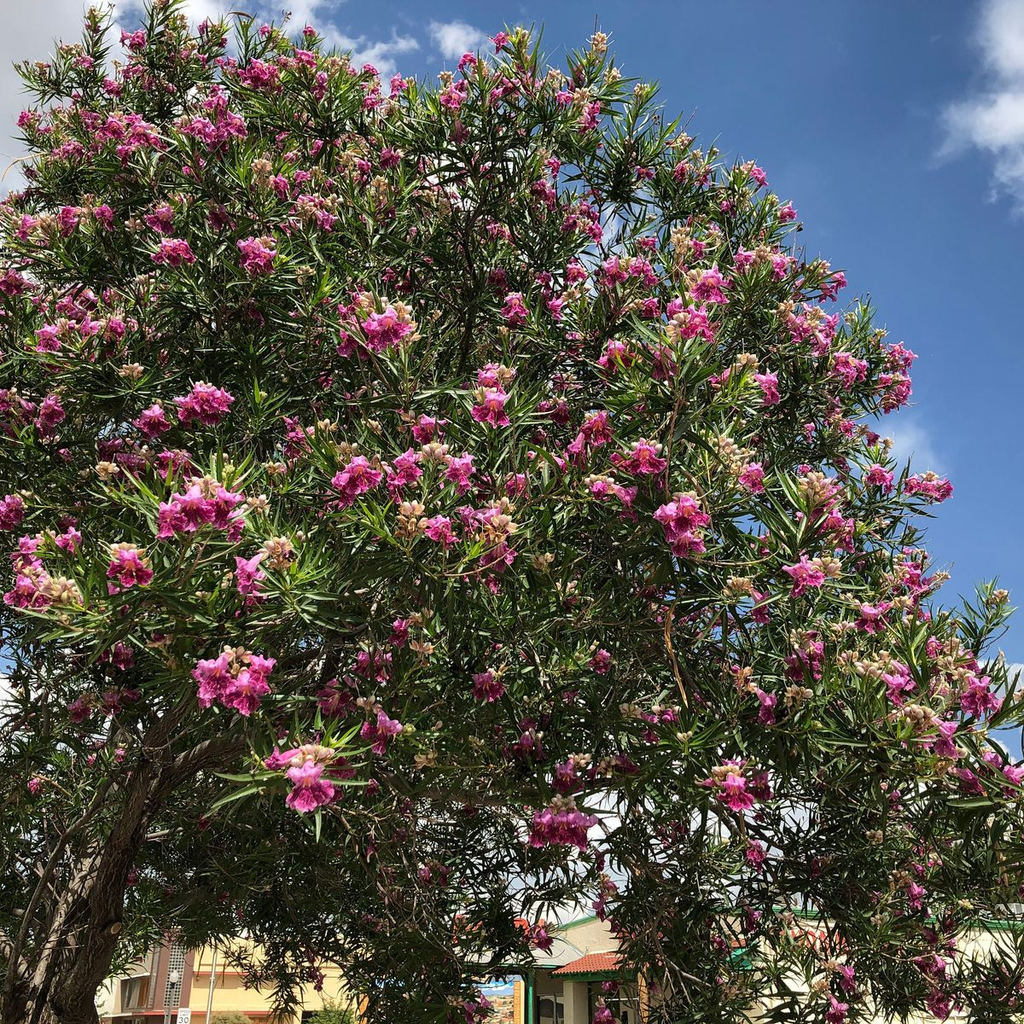
1) Desert Willow (Chilopsis linearis)
Desert willow is one of the most reliable choices for much of Arizona. It handles heat, blooms beautifully, and doesn’t demand constant water once established.
It provides light, filtered shade. That makes it great for patios, side yards, and desert-style landscapes.
2) Palo Verde (Parkinsonia species)
Palo verde is iconic in Arizona for a reason. It’s desert-adapted, tough, and can thrive with low water after establishment.
It does need proper pruning early on. A well-trained palo verde develops better structure and fewer breakage issues.
3) Mesquite (Prosopis species)
Mesquite can be a great shade option in desert landscapes. It offers filtered shade and strong drought tolerance.
Give it space. Some varieties can spread wide, and surface roots can be a concern near hardscape.
4) Texas Mountain Laurel (Sophora secundiflora)
This is a slower-growing tree, but it’s a long-term winner. It’s evergreen in many areas and produces fragrant purple blooms.
If you want a “plant it once and enjoy it for years” tree, this is a strong candidate.
5) Chinese Pistache (Pistacia chinensis)
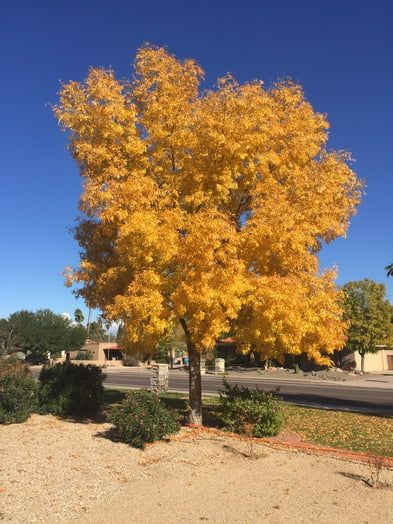
In many Arizona neighborhoods, Chinese pistache is popular for its canopy and fall color. It can do well with consistent watering and correct placement.
It’s a good choice if you want a more traditional shade-tree look without going too water-hungry.
6) Fruit trees that can do well in many Arizona areas
Fruit trees can be great, but they are not “set it and forget it.” They need pruning and consistent watering.
Statewide-friendly options often include pomegranate and fig, and in warmer zones, citrus can do very well.
Quick tip: If you’re in a higher elevation area, confirm chill hours and frost tolerance before buying fruit trees.
Why Plant Native Arizona Trees?
Native and desert-adapted trees usually make life easier in Arizona. They evolved for our sun, our dry air, and our soils. That doesn’t mean they need zero care, but it often means fewer surprises.
Here’s what native trees can do for you: – Lower long-term water demand once established – Better heat tolerance during brutal summers – Fewer stress problems when planted in the right spot – Better fit for desert landscapes and local wildlife
Native trees also tend to “look right” in Arizona. They match the natural feel of the region and blend well with desert plants. That said, native doesn’t mean “no maintenance.” Many native trees still need early structural pruning and correct watering to establish strong roots.
Select the Best Tree For Your Area
Arizona is not one climate. It’s a mix of desert, foothills, and higher elevation zones. The best tree for your yard depends on a few simple factors.
1) Your city and elevation
Phoenix and Yuma stay warm longer. Flagstaff and Prescott cool faster and see more frost. A tree that thrives in Phoenix may struggle in a colder zone. Always check cold tolerance if you’re outside the low desert.
2) Sun exposure
Many Arizona yards get full sun all day. Some trees love that. Others burn, especially when young. If your yard reflects heat off block walls or gravel, that heat can be intense. Choose trees that can handle it.
3) Space and mature size
Measure the area like the tree is already grown.
Think about: – Distance to your house – Distance to sidewalks and driveways – Distance to walls and pools – Overhead clearance and power lines A tree that outgrows its space becomes a pruning problem. It can also become a safety issue.
4) Watering reality
Be honest about your watering plan.
If you want low maintenance, choose a desert-adapted tree and water it deeply but less often once established. If you want a lush canopy or fruit production, plan for more consistent watering and seasonal care.
5) Soil and drainage
Arizona soils can be alkaline and compacted. Some areas drain fast. Others hold water. If water pools after irrigation, you may have drainage issues. That can lead to root problems.
If you’re unsure, a quick soil and site check can save you from planting the wrong tree in the wrong spot.
Why Fall is the Best Time to Plant Trees in Arizona
Early fall gives new trees a head start. The air cools down, but the soil stays warm. That combination helps roots grow without the tree losing as much water through its leaves. In summer, a new tree spends energy just trying to survive. In early fall, it can spend more energy building roots.
That root growth is what you want. More roots means: – Better water uptake – Better stability – Less transplant shock – Stronger spring growth Fall planting also gives you time to correct small issues.
If you notice a watering problem or sunburn in fall, you can fix it before the next summer hits.
Prepare the Planting Hole
Planting depth and hole shape matter more than most people think. A tree can look fine for months and still decline later if it’s planted wrong.
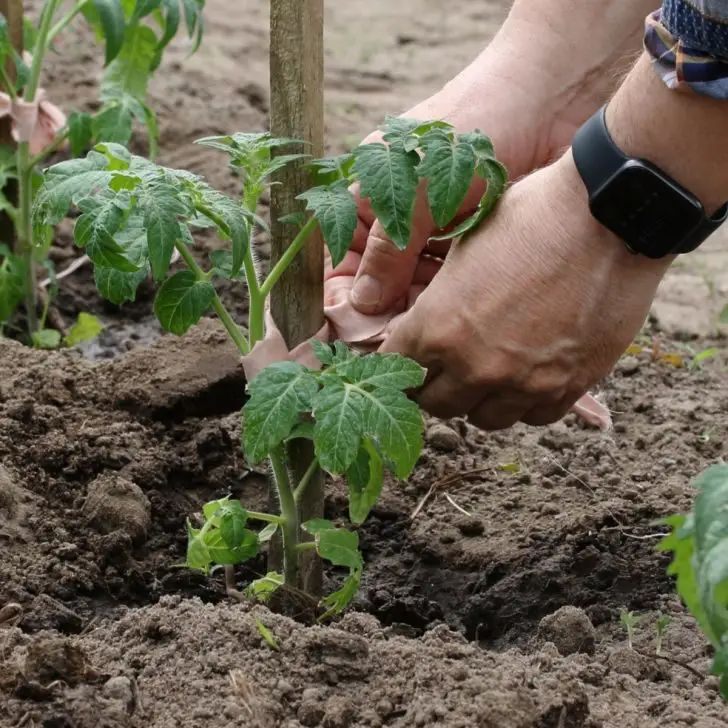
Here’s a simple Arizona-friendly approach.
1) Dig wide, not deep
Make the hole wider than the root ball. This helps roots spread into loosened soil.
Avoid digging too deep. Planting too deep is one of the most common mistakes.
2) Find the root flare
The root flare is where the trunk widens and roots begin.
That flare should be at or slightly above the soil line. If it’s buried, the tree can struggle.
3) Break up compacted soil
If your soil is hard, loosen the sides of the hole.
This reduces the “pot effect,” where roots circle and don’t expand outward.
4) Set the tree straight
Before backfilling, step back and look at the tree from multiple angles.
A slight lean now becomes a bigger lean later.
5) Backfill and water to settle
Backfill gently. Water as you go to remove air pockets.
Avoid packing soil down aggressively. You want good contact, not compaction.
6) Mulch correctly
Mulch helps regulate soil temperature and moisture.
Keep mulch a few inches away from the trunk. Don’t pile it against the bark.
Water Regularly
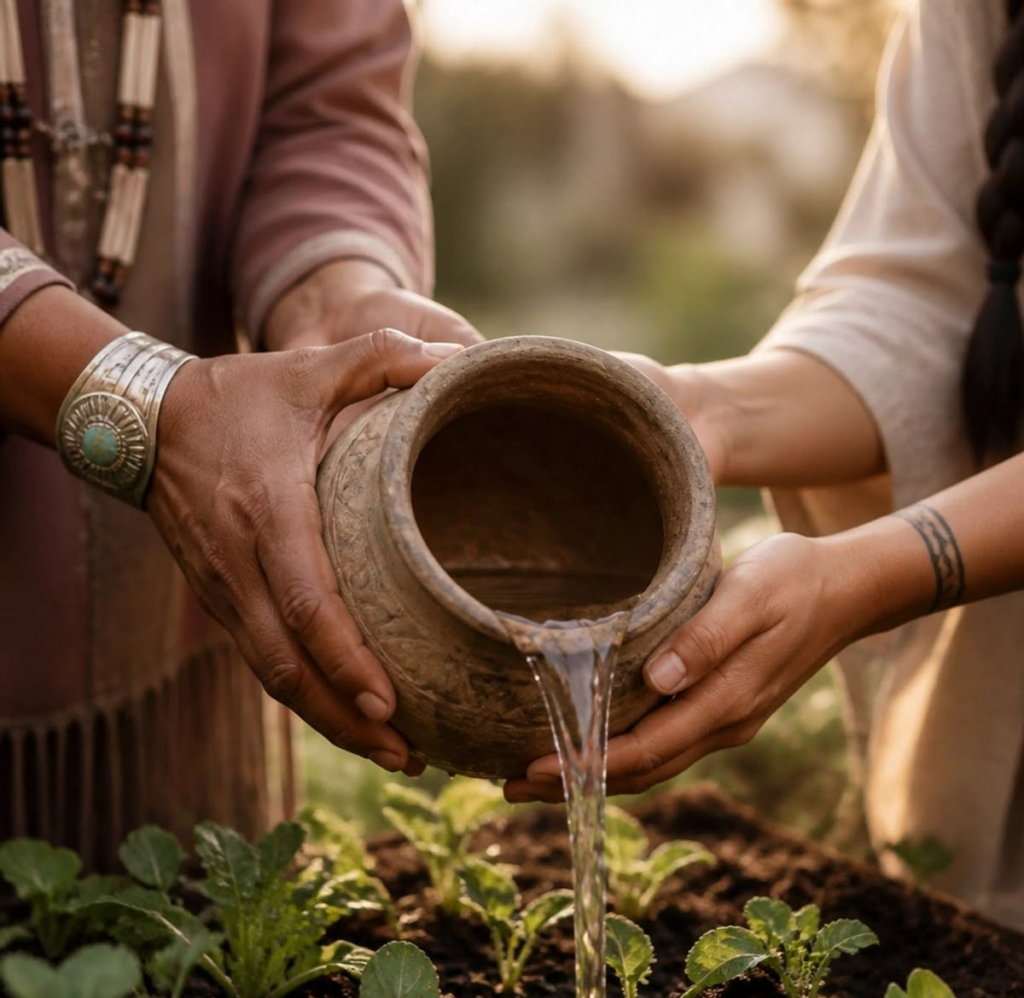
Watering is where most new trees succeed or fail. In Arizona, the goal is deep watering that encourages deep roots.
A simple early-fall watering mindset: – Water deeply – Water less often than you think – Adjust based on heat and wind
In early fall, you may still be dealing with hot days. That means you might water like summer for a few weeks.
As temperatures drop, you taper. The tree still needs water, but it doesn’t need the same frequency.
Watch the tree, not the calendar.
If leaves wilt in the morning, that’s a red flag. If the soil stays soggy, that’s also a red flag.
Drip systems need smart placement.
Don’t keep all emitters right at the trunk.
Move water outward as the tree grows so roots expand into a wider area.
Fall Planting is Also the Perfect Time to Replenish Your Soil
Arizona soils can be low in organic matter. They can also be compacted from construction and foot traffic. Early fall is a great time to improve soil conditions because: – You’re already working in the yard – Cooler weather makes it easier to spread amendments – Your tree benefits from better moisture retention
What replenishing soil can mean (simple version): – Adding compost around the planting area (not against the trunk) – Using mulch to protect soil and reduce evaporation – Improving drainage if water pools – Avoiding heavy fertilizer right at planting
A key point: Don’t overdo it.
Too much amendment in the hole can create a “bathtub effect,” where water sits around roots. It can also stop roots from expanding into native soil.
Think of soil improvement as a gradual, surface-based process over time.
Common Mistakes to Avoid When Planting Trees in Arizona
Most tree problems come from a few predictable mistakes. Avoid these and you’ll be ahead of most homeowners.
- · Planting too deep and burying the root flare
- · Overwatering daily (shallow roots and rot risk)
- · Underwatering during hot spells in early fall
- · Staking too tightly or too long
- · Choosing a tree that outgrows the space
- · Planting too close to hardscape
- · Skipping early structural pruning
A tree that struggles early often becomes a long-term maintenance issue. If you start right, your tree becomes easier every year.
How to Protect New Trees From Heat, Wind, and Sunburn
Even in fall, Arizona can throw heat waves at you. Young trees are especially vulnerable to sunburn on the trunk and dehydration from wind.
Simple protection steps include: – Using mulch to reduce soil temperature swings – Watering deeply before expected heat spikes – Considering temporary shade cloth for sensitive young trees – Protecting trunks from direct sun exposure when needed
Wind can dry out leaves fast. If your area gets strong fall winds, keep an eye on soil moisture.
What to Expect After Planting: Growth Timeline and Early Care
Many homeowners expect quick top growth right after planting.
But early on, the tree is often focused on roots.
Here’s a realistic timeline: – First 2–8 weeks: settling in, mild stress is normal – First fall and winter: root growth continues when soil stays warm – Spring: new growth increases as temperatures rise – First year: biggest job is consistent watering and basic training
If you see leaf drop or slower growth, don’t panic.
Focus on watering, mulch, and correct placement. Most healthy trees rebound when conditions stabilize.
When to Call a Professional Arborist
Some situations are worth professional help right away. Call a professional if: – You’re planting a large tree and want it done correctly – Your planting site is near utilities, walls, or hardscape – You have drainage problems or heavy compacted soil – Your tree shows dieback, severe leaf scorch, or repeated wilting – You want structural pruning that prevents future breakage
A quick visit can prevent years of problems and expensive removals later.
How AZ Tree Doctor Helps
AZ Tree Doctor helps homeowners across Arizona make smart tree choices and keep them healthy. We help you pick trees that match your region, your yard size, and your long-term goals. We also help with correct planting guidance, early pruning, and ongoing tree health support.
If you’re planting at the start of fall, we can help you set up a simple plan that protects your investment before the next summer.
Conclusion
The start of fall is one of the best times to plant trees in Arizona. Cooler air reduces stress, warm soil supports root growth, and your tree gets time to establish before spring. Choose a tree that fits your area and your yard. Plant it at the right depth, water it consistently, and protect it from heat and wind. If you do those basics well, you’ll see stronger growth, fewer issues, and a healthier tree for years to come.
CTA
Want help choosing the best fall tree for your Arizona yard and getting it planted the right way? Contact AZ Tree Doctor for expert tree guidance and professional care.
FAQs
What are the best plants to grow in Arizona during the fall?
Many Arizona gardeners do well with cool-season vegetables, herbs, and desert-adapted ornamentals in fall. For trees, early fall is ideal for planting because roots establish before summer.
What is the best tree to grow in Arizona?
There isn’t one perfect tree statewide. Desert willow, palo verde, and Texas mountain laurel are strong choices for many areas, but the best tree depends on your climate zone and yard space.
What is the best time to plant trees in Arizona?
Early fall is one of the best times because the soil stays warm while the air cools down. That helps roots grow and reduces transplant stress.
Tags
· Best Trees to Plant in Arizona Fall, Arizona Fall Tree Planting, Tree Care Arizona
Comments are closed