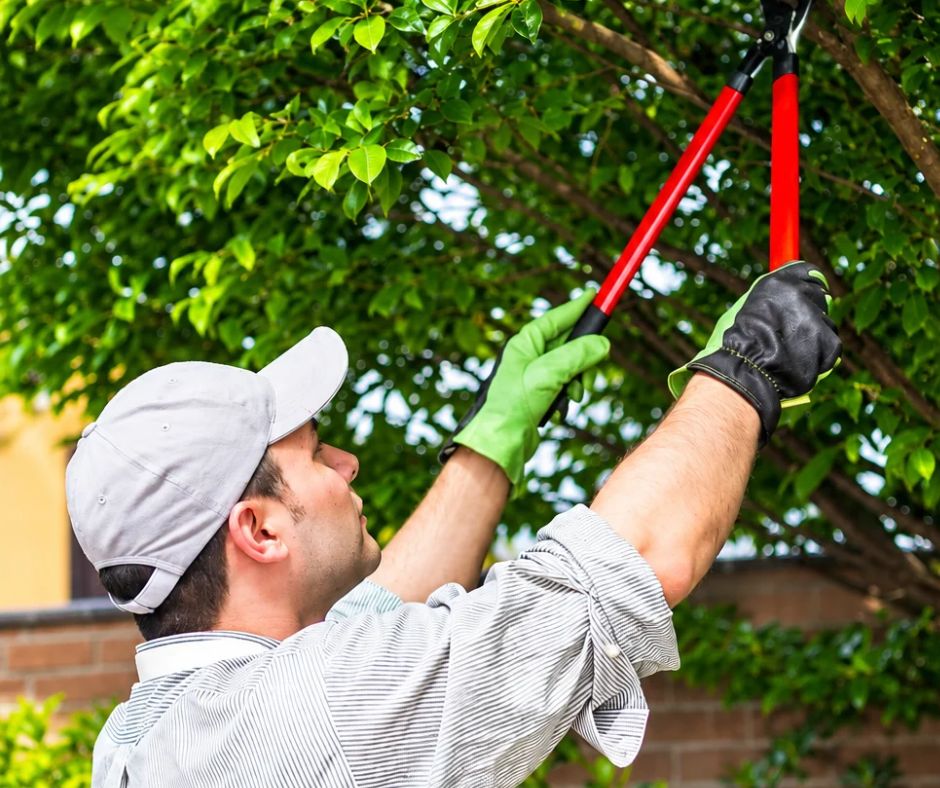
YOUR TREES SURVIVED SUMMER. ARE THEY READY FOR WINTER?
Phoenix winters are mild compared to most of the country, but your trees still feel the change. After months of heat stress, dry air, and monsoon swings, trees go into winter already tired.
The good news: a little prep now can prevent broken limbs, pest flare-ups, frost damage, and springtime setbacks. This guide walks you through a practical winter-readiness plan for Phoenix trees—simple steps, clear timing, and what to watch for.
Table of Contents
- Understanding Phoenix Winter Tree Challenges
- Benefits and Challenges of Winter Tree Preparation
- Take a closer look.
- Common Winter Tree Problems
- Pruning and Trimming:
- Adjust your watering.
- Irrigation Adjustments:
- Mulching and Fertilization:
- Protect Sensitive Trees:
- Consider Professional Help:
- How AZ Tree Doctor Helps
- FAQs
1) Understanding Phoenix Winter Tree Challenges
Winter in Phoenix usually means cool nights, warm days, and very dry air. That combination can confuse trees, especially after a long summer.
Even without snow, winter stress is real here. The biggest issues are sudden cold snaps, wind events, low humidity, and soil that dries out faster than you expect.
Phoenix also has unique microclimates. A tree in a low-lying yard, near a block wall, or in a shaded courtyard may see colder overnight temps than a tree out front in full sun.
2) Benefits and Challenges of Winter Tree Preparation
Winter prep is about reducing stress and preventing damage. When you do it right, you’ll see better spring growth, fewer broken branches, and fewer pest problems.
Benefits you can expect:
- · Stronger structure and less storm damage
- · Healthier roots and steadier moisture levels
- · Better flowering and fruiting in spring
- · Lower risk of fungal issues and pest outbreaks
Challenges to plan around:
- · Overwatering in cool weather can cause root problems
- · Over-pruning can trigger weak regrowth or sunburn
- · Fertilizing at the wrong time can push tender growth before cold nights
The goal is balance. You’re helping the tree “coast” through winter, not forcing it to grow.
3) Take a closer look.
Before you prune, water, or mulch, start with a simple inspection. Ten minutes now can save you a major removal later.
Walk your property and look at each tree from top to bottom. Check the canopy, trunk, and the soil around the base.
What to look for:
- · Dead branches (no leaves, brittle twigs)
- · Cracks in limbs or the trunk
- · Branches rubbing together
- · Mushrooms or soft spots near the base
- · Leaning that seems new
- · Exposed roots or soil erosion
Also look up. If limbs hang over roofs, driveways, or power lines, winter winds can turn a small defect into a big problem.
If you’re unsure whether a limb is dead or just dormant, don’t guess. A quick professional assessment can prevent unnecessary cuts.
4) Common Winter Tree Problems
Phoenix trees face a few repeat winter issues. Knowing them helps you prevent them.
Frost damage
Young citrus, tropical ornamentals, and newly planted trees can get leaf burn or dieback during cold snaps.
Wind breakage
Winter storms and strong gusts can snap long, heavy limbs—especially on trees with poor structure or old pruning wounds.
Drought stress
Cool weather reduces water needs, but desert soils still dry out. If you stop watering completely, trees can weaken.
Sunscald and bark splitting
Thin-barked trees can get damaged when warm daytime sun heats bark and cold nights cause rapid temperature drops.
Pests and disease carryover
Some pests slow down in winter, but they don’t always disappear. Scale insects, borers, and fungal issues can linger and explode in spring.
5) Pruning and Trimming:
Winter is a great time to prune many trees in Phoenix, but timing and technique matter.
Start with safety and tree health. Remove dead, broken, or crossing branches first. That reduces risk and improves airflow.
Avoid “topping” trees. Topping creates weak, fast regrowth and makes trees more likely to fail later. It also stresses the tree right when it should be resting.
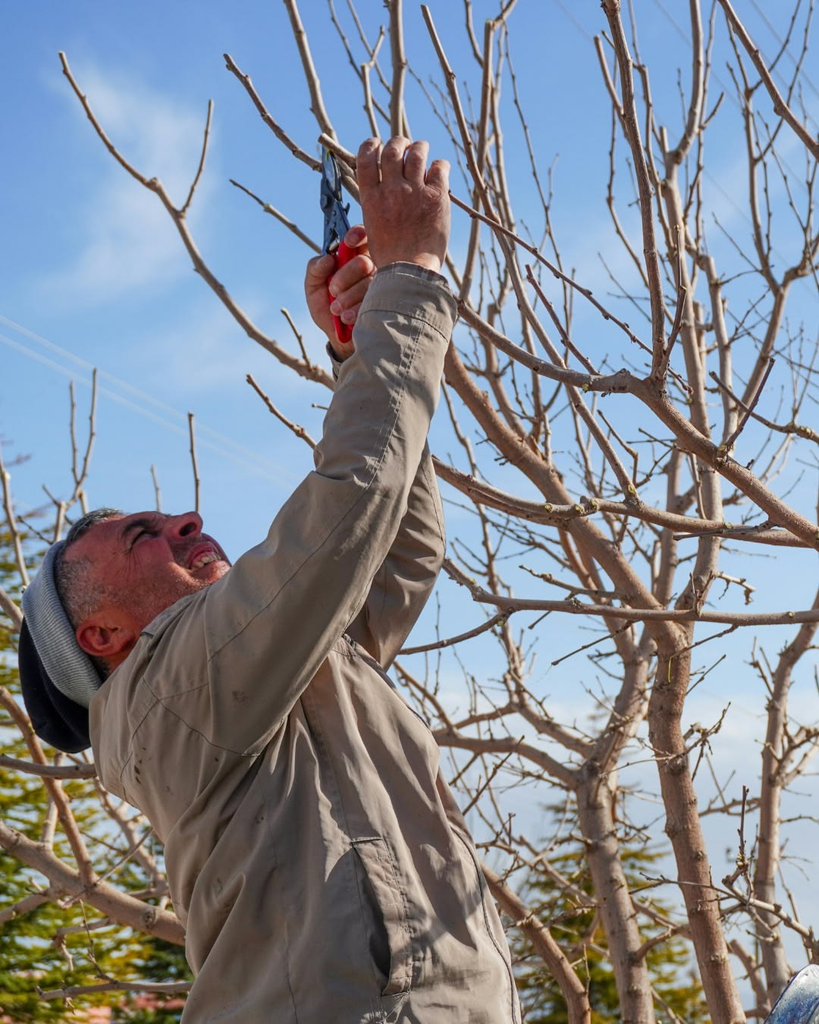
Best winter pruning goals:
- · Remove deadwood and hazards
- · Reduce rubbing and crossing branches
- · Improve structure with selective cuts
- · Lift low limbs away from walkways and roofs (when appropriate)
Be careful with these:
· Citrus: Light pruning is fine, but avoid heavy canopy thinning that exposes bark to sunburn.
· Desert trees (mesquite, palo verde): Structural pruning helps, but don’t over-thin. These trees can break when canopy is unbalanced.
· Newly planted trees: Minimal pruning. Focus on removing broken branches only.
If you’re dealing with large limbs, tall trees, or anything near power lines, don’t DIY it. Improper cuts can cause long-term decay.
6) Adjust your watering.
This is where many Phoenix homeowners get it wrong. They either keep summer watering schedules or shut irrigation off completely.
In winter, trees still need moisture. They just need it less often.
A good rule: water deeper, water less frequently. Deep watering supports roots and reduces surface evaporation.
Pay attention to weather. If you get a rare winter rain, skip a cycle. If you get a warm, dry stretch, don’t assume the tree is fine.
Also consider tree age. New trees need more consistent moisture than established trees.
7) Irrigation Adjustments:
Dialing in irrigation is one of the best winter prep moves you can make.
What to change:
- · Reduce frequency as temperatures drop
- · Keep soak times long enough to reach the root zone
- · Check emitters for clogs and leaks
- · Expand watering coverage as roots spread
Common mistakes to avoid:
- · Watering too close to the trunk (promotes rot)
- · Only watering the surface (encourages shallow roots)
- · Ignoring slope runoff (water never reaches roots)
If you have a drip system, make sure the emitters reach the outer canopy area (the “drip line”). That’s where many feeder roots live.
If you’re not sure how deep your watering goes, do a simple test. After watering, dig a small hole 8–12 inches deep near the drip line. The soil should be moist, not muddy.
8) Mulching and Fertilization:
Mulch is one of the easiest ways to protect Phoenix trees in winter. It stabilizes soil temperature, reduces evaporation, and improves soil over time.
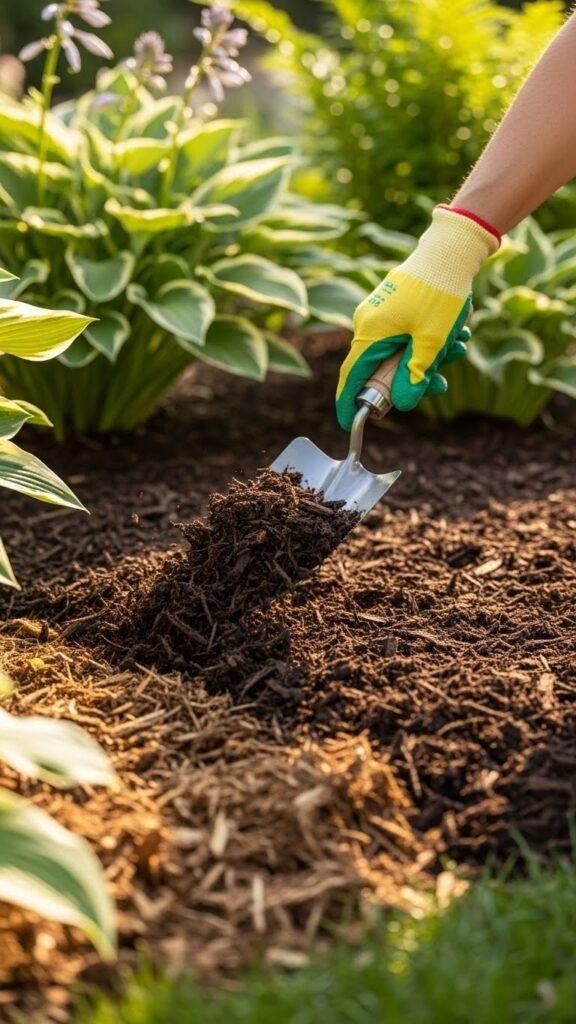
How to mulch correctly:
- · Use 2–4 inches of mulch
- · Keep mulch 4–6 inches away from the trunk
- · Spread mulch out to the drip line when possible
Avoid “mulch volcanoes.” Piling mulch against the trunk traps moisture and invites decay and pests.
What about fertilization? In Phoenix, fertilizing depends on the tree type and its condition.
In general, avoid heavy nitrogen fertilizing right before or during cold periods. It can push tender growth that’s more likely to get damaged.
If your tree looks weak, yellow, or thin, a soil test or professional evaluation is smarter than guessing. Some issues are nutrient-related, but others are watering or root problems.
For citrus, many homeowners fertilize on a schedule that includes late winter/early spring. If you’re unsure, get guidance based on your specific tree and location.
9) Protect Sensitive Trees:
Not all Phoenix trees need winter protection, but some do.
Young citrus, tropical ornamentals, and newly planted trees are the most vulnerable. Cold snaps can happen fast, and damage can show up days later.
Simple protection steps:
- · Water the day before a cold snap (moist soil holds heat better)
- · Cover young trees with frost cloth (not plastic)
- · Use stakes and ties for new trees if wind is expected
- · Wrap thin-barked trunks (especially young trees) to prevent sunscald
- If you cover a tree, remove the cover during the day when temperatures rise. Trapped heat and moisture can cause problems.
Also think about sun exposure. If you prune heavily and expose bark that was shaded all summer, winter sun can still cause sunburn.
10) Consider Professional Help:
Some winter prep is easy DIY. Some is not worth the risk.
Call a professional when:
- · You see cracks, splits, or major deadwood
- · Branches hang over structures or power lines
- · The tree is leaning or the soil is heaving
- · You suspect pests like borers or scale
- · You want structural pruning done correctly
Professional pruning is not just “cutting branches.” It’s about making the right cuts in the right places so the tree stays strong for years.
A qualified tree service can also spot early signs of disease or stress that most homeowners miss.
11) How AZ Tree Doctor Helps
AZ Tree Doctor helps Phoenix homeowners keep trees safe, healthy, and ready for every season.
Here’s what we can do for your winter prep plan:
- · Winter pruning and structural trimming to reduce storm risk
- · Deadwood removal and hazard checks for high-risk limbs
- · Tree health inspections to identify stress, pests, or disease
- · Guidance on irrigation adjustments for your property and tree types
- · Protection strategies for sensitive or newly planted trees
If you’re not sure what your trees need, we can evaluate them and recommend the safest, most cost-effective next steps.
12) FAQs
How to prepare a tree for winter?
Start with an inspection, remove dead or risky branches, adjust watering for cooler weather, add proper mulch, and protect sensitive trees during cold snaps.
What is the best month to plant trees in Phoenix?
Fall is often ideal, especially October and November, because cooler weather helps roots establish before summer heat returns.
Should you prune trees in winter in Phoenix?
Many trees respond well to winter pruning, but timing and technique matter. Avoid heavy pruning on sensitive trees and never top a tree.
Conclusion
Winter in Phoenix may feel easy, but your trees still need a plan. A few smart steps—inspection, selective pruning, better watering, and protection for sensitive trees—can prevent damage and set you up for a healthier spring.
If you want peace of mind, let AZ Tree Doctor take a look. We’ll help you reduce risk, protect your landscape investment, and keep your trees thriving year-round.
CTA
Call AZ Tree Doctor today to schedule a winter tree checkup and trimming service for your Phoenix property.
Tags:
· Phoenix tree care, Winter tree preparation, Tree trimming Phoenix AZ
Comments are closed