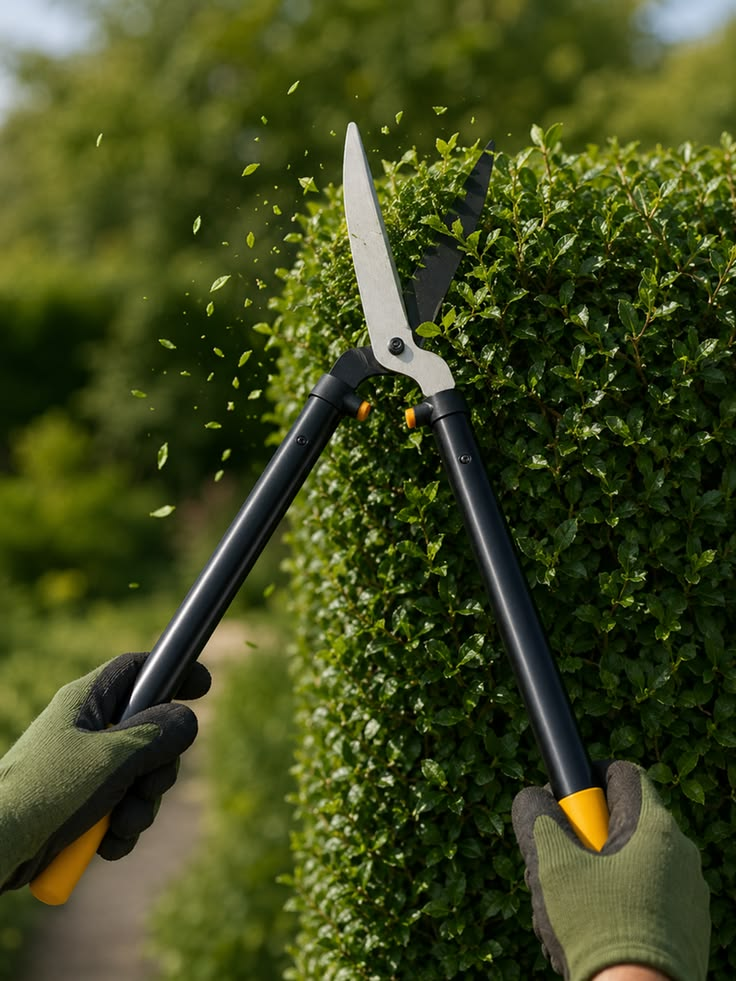
Learn how to prune trees in Scottsdale with proper techniques, seasonal tips, and expert advice to keep your desert trees healthy, safe, and beautiful.
How to Prune Trees in Scottsdale
Introduction
Trees make Scottsdale properties more attractive, comfortable, and welcoming. They provide shade, improve outdoor spaces, and bring natural beauty to residential and commercial landscapes. However, Arizona’s hot weather, strong sunlight, dry conditions, and seasonal monsoon storms can put trees under stress.
Regular tree care helps trees stay healthy and maintain their natural shape. One important part of this care is pruning. Proper pruning removes dead, damaged, diseased, and unwanted branches while supporting healthy growth. It also helps prevent branches from blocking walkways, touching buildings, or becoming potential safety hazards.
However, pruning a tree is not as simple as cutting off a few branches. Every tree has different growth habits and care requirements. Cutting too much or choosing the wrong time can weaken a tree and expose its branches and trunk to harsh sunlight.
If you live in Scottsdale, understanding local tree species, seasonal changes, and proper pruning methods can help you protect your landscape. This guide explains how to prune trees correctly, when to schedule pruning, and when professional assistance is the better choice.
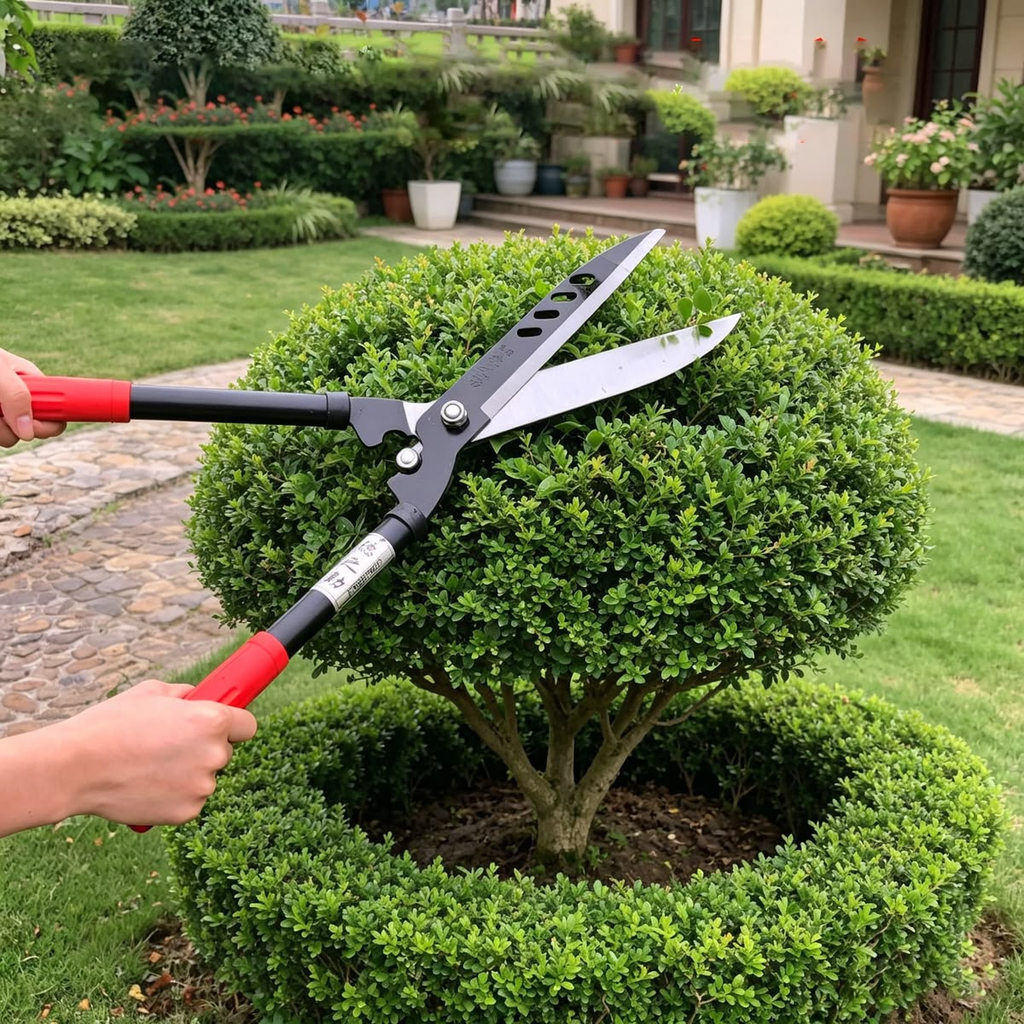
Table of Contents
- 1. What Is Tree Pruning and Why Does It Matter?
- 2. Signs Your Scottsdale Trees Need Pruning
- 3. The Best Time to Prune Trees in Scottsdale
- 4. Common Tree Species in Scottsdale and Their Pruning Needs
- 5. How Professional Tree Pruning Is Done
- 6. The Importance of Tree Pruning for Maintaining Tree Health
- 7. Tree Pruning Techniques
- 8. Why Prune Trees?
- 9. How to Prune Trees in Scottsdale: Step-by-Step Guide
- 10. How AZ Tree Doctor Helps
- 11. FAQs
- 12. Conclusion
1. What Is Tree Pruning and Why Does It Matter?
Tree pruning is the process of removing selected branches, shoots, or other unwanted parts of a tree. The goal is to improve its health, structure, appearance, and safety without damaging its natural growth.
Trees grow in different directions as they mature. Sometimes branches become weak, damaged, crowded, or uneven. Some may grow too close to roofs, power lines, driveways, or sidewalks.
Pruning helps manage these problems before they become serious. It also allows homeowners to maintain a balanced landscape while giving trees enough room to grow.
Tree pruning offers several important benefits:
- · Removes dead, diseased, and damaged branches.
- · Improves airflow through crowded tree canopies.
- · Allows sunlight to reach suitable parts of the tree.
- · Reduces potential hazards from weak or broken branches.
- · Helps maintain a strong and balanced structure.
- · Keeps trees away from buildings and walkways.
- · Supports the natural appearance of the landscape.
Scottsdale trees need special attention because desert conditions can be challenging. Excessive pruning may expose previously shaded branches to intense sunlight, causing sun damage.
For this reason, homeowners should avoid unnecessary cutting. A good pruning plan focuses on the tree’s actual needs rather than simply making it smaller or giving it a particular shape.
2. Signs Your Scottsdale Trees Need Pruning
Not every tree needs regular heavy pruning. Some desert trees naturally grow with an attractive shape and require very little maintenance. However, certain signs indicate that a tree needs attention.
Checking your trees regularly can help you identify problems before they become more difficult to manage.
Dead or Broken Branches
Dead branches are among the clearest signs that a tree needs pruning. They may look dry, brittle, or discolored. Strong winds and monsoon storms can also break branches and leave damaged sections hanging in the canopy.
Removing these branches can reduce the risk of falling debris and improve the tree’s overall condition.
Branches Growing Into Each Other
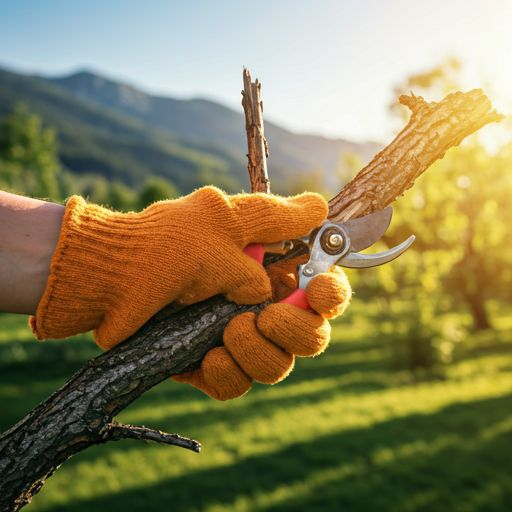
When branches cross or rub against one another, they can damage the bark. Repeated friction creates wounds that may allow decay organisms to enter.
Selective pruning removes one of the competing branches and gives the remaining branch more room to develop.
Branches Blocking Walkways or Driveways
Low-growing branches can interfere with daily activities. They may block sidewalks, reduce visibility near driveways, or make outdoor areas uncomfortable.
Pruning can improve clearance while preserving enough foliage to protect the tree from direct sunlight.
Unusual Growth Patterns
Some trees develop uneven crowns or crowded branches. Others produce several competing leaders instead of one strong main stem.
These growth patterns may affect the tree’s structure as it becomes larger. Early corrective pruning can help young trees develop a stronger framework.
Signs of Disease or Insect Damage
Look for unusual spots, damaged bark, holes, dead leaves, or branches that lose their foliage unexpectedly. These signs may indicate disease, insects, or environmental stress.
However, not every damaged branch needs immediate removal. Identify the underlying problem before making major cuts. A professional tree care specialist can help determine the correct treatment.
Branches Growing Too Close to Buildings
Trees that grow near houses, fences, roofs, or outdoor structures may eventually cause clearance problems. Pruning can help maintain appropriate space without removing more branches than necessary.
If a tree has large cracks, a split trunk, or several hanging limbs, arrange a professional inspection instead of attempting the work yourself.
3. The Best Time to Prune Trees in Scottsdale
Timing plays an important role in successful tree pruning. Different species respond differently to seasonal changes, so there is no single pruning month that works for every tree in Scottsdale.
Arizona’s desert climate also makes pruning different from tree care in colder regions. Homeowners should consider the tree species, weather conditions, flowering season, and purpose of the pruning.
Winter: A Suitable Time for Many Deciduous Trees
Many non-native deciduous trees lose their leaves during winter. This makes their branches easier to inspect and allows homeowners or professionals to identify damaged and crossing limbs.
Winter dormancy is generally a suitable period for structural pruning of many deciduous species.
However, avoid making major cuts without checking the specific tree’s requirements.
Spring: A Time for Careful Maintenance
Spring brings new growth to many Scottsdale landscapes. Light maintenance may help remove damaged branches and correct minor structural problems.
Citrus trees have their own seasonal requirements. The University of Arizona Cooperative Extension generally recommends pruning desert-grown citrus between February and April.
This timing allows new foliage to develop before the intense summer heat arrives.
Early Summer: Important for Native Desert Trees
Native desert trees, including mesquite and palo verde, have different growth patterns from many non-native trees.
Early summer is commonly recommended for structural pruning of native desert trees. The timing should also account for the species and current weather conditions.
Some University of Arizona gardening guidance also identifies summer pruning for mesquite and palo verde.
Late Summer and Monsoon Season: Inspect for Damage
Scottsdale’s monsoon season can bring strong winds and heavy rain. These conditions may break branches or expose existing structural weaknesses.
Inspect your trees after severe weather. Remove only minor, accessible debris if it is safe to do so.
Large broken limbs, hanging branches, and damaged trunks require professional attention.
Avoid Excessive Pruning During Extreme Heat
Summer temperatures in Scottsdale can be extremely high. Removing too much foliage during this period can expose shaded wood to intense sunlight.
Before pruning, consider how much shade the remaining canopy will provide. Never remove large sections simply to make a tree look smaller.
A useful general rule is to avoid removing more than 25% of the living canopy in one year. Some sensitive species may require much less.
4. Common Tree Species in Scottsdale and Their Pruning Needs
Scottsdale landscapes include many native desert trees, ornamental trees, and fruit trees. Each species has different growth habits, so understanding the tree before pruning is essential.
Palo Verde Trees
Palo verde trees are popular throughout Scottsdale because they tolerate desert conditions and provide attractive seasonal flowers.
They have green branches and naturally open canopies. Their branches may become crowded or develop weak connections if the tree receives improper care.
Pruning should focus on removing dead wood, damaged branches, and selected crossing limbs. Maintain the tree’s natural shape and avoid removing too much foliage.
Mesquite Trees
Mesquite trees are well suited to Arizona’s dry climate. They provide valuable shade and can develop wide, spreading canopies.
Their branches sometimes grow in crowded patterns or extend over walkways and driveways.
Selective pruning can improve clearance and remove weak or damaged limbs. Avoid cutting the entire canopy into an artificial shape.
Desert Willow Trees
Desert willow is known for its attractive flowers and irregular, graceful growth.
Pruning should preserve its natural form while removing dead branches and correcting structural problems. Avoid unnecessary heavy cutting that changes the tree’s natural appearance.
Citrus Trees
Lemon, orange, and grapefruit trees are common in Scottsdale gardens.
Unlike many shade trees, citrus generally needs limited pruning. Remove dead, damaged, crossing, and unwanted shoots when necessary.
The University of Arizona Cooperative Extension recommends February through April for regular desert citrus pruning. Avoid extensive pruning during the hottest months because exposed branches may suffer sun damage.
Olive Trees
Olive trees are valued for their attractive appearance and ability to tolerate dry conditions once established.
They may develop crowded growth that limits airflow through the canopy. Selective pruning can remove crossing branches and maintain an open structure.
However, avoid excessive cutting. The correct approach depends on the tree’s age, health, and landscape purpose.
Ash and Other Shade Trees
Non-native shade trees, including ash varieties, may develop dense canopies and large branches.
Winter dormancy is often a suitable time for structural pruning. Remove weak, damaged, or crossing branches while maintaining the tree’s natural framework.
The best schedule still depends on the particular species and its condition.
5. How Professional Tree Pruning Is Done
Professional tree pruning involves more than removing visible branches. Experienced tree care specialists inspect the entire tree before deciding which cuts are necessary.
This approach helps protect the tree’s structure and reduces the possibility of unnecessary damage.
Initial Tree Inspection
The process begins with an inspection of the tree’s trunk, branches, canopy, and surrounding area.
Professionals look for dead wood, cracks, weak branch connections, signs of disease, and possible insect problems.
They also consider the tree’s location. A tree growing near a building or driveway may require different pruning decisions from one growing in an open yard.
Identifying the Right Branches
After inspection, the tree care specialist identifies which branches should be removed.
The focus is usually on dead, damaged, diseased, crossing, or poorly attached branches.
Professionals also consider how each cut will affect the remaining canopy. This prevents unnecessary removal of healthy foliage.
Choosing Appropriate Equipment
Different branches require different tools. Small branches may need hand pruners, while thicker limbs require professional pruning saws or other suitable equipment.
For larger trees, trained workers may use specialized climbing equipment and lifting systems.
Proper equipment helps produce clean cuts and supports safer working conditions.
Making Correct Pruning Cuts
A professional makes cuts near the branch collar without damaging the trunk or leaving unnecessary stubs.
Large branches may require a three-cut method to prevent the bark from tearing as the branch falls.
This method involves an initial cut underneath the branch, a second cut farther out to remove its weight, and a final cut near the branch collar.
Checking the Final Structure
After pruning, professionals review the tree to make sure the remaining branches have a balanced arrangement.
They also check for remaining hazards, damaged areas, and branches that may interfere with nearby structures.
The aim is to leave the tree healthy, stable, and natural-looking rather than heavily reduced.
6. The Importance of Tree Pruning for Maintaining Tree Health
Healthy trees contribute to a more attractive and comfortable outdoor environment. In Scottsdale, where summer temperatures can become extreme, maintaining healthy tree canopies is especially important.
Pruning supports tree health when homeowners and professionals use the correct methods.
Removes Damaged and Diseased Wood
Dead and damaged branches can become entry points for decay organisms. Removing affected sections may help reduce further damage, depending on the underlying problem.
However, pruning alone cannot cure every tree disease. Some conditions require additional diagnosis and treatment.
Improves Canopy Structure
Crowded branches can compete for space and create areas where limbs rub against one another.
Selective pruning reduces unnecessary competition and helps maintain a stronger branch arrangement.
Supports Air Movement
A properly maintained canopy allows air to move through the branches.
Removing selected crowded or crossing limbs can improve airflow without stripping away too much foliage.
Maintains Valuable Shade
Trees provide important shade for homes, gardens, patios, and outdoor seating areas.
Proper pruning preserves the canopy that helps protect these spaces from direct sunlight.
This is particularly important for native desert trees because excessive canopy removal can expose their trunks and branches to sun damage.
Reduces Certain Safety Risks
Weak, broken, and hanging branches may fall during strong winds or storms.
Removing hazardous branches can reduce some risks to people, buildings, vehicles, and nearby property.
However, pruning cannot guarantee that a tree will never fail. Regular inspections and proper maintenance remain important.
7. Tree Pruning Techniques
Choosing the right pruning technique is essential for maintaining healthy trees. Each method serves a different purpose, and using the wrong technique can weaken the tree.
Here are some commonly used tree pruning techniques.
Crown Cleaning
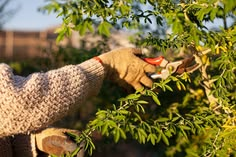
Crown cleaning involves removing dead, dying, diseased, and broken branches from the tree canopy.
It is one of the most common maintenance techniques because it focuses on removing unwanted growth without unnecessarily changing the tree’s overall size.
Structural Pruning
Structural pruning focuses on developing a strong framework, especially in young trees.
It involves identifying competing leaders, poorly attached branches, and structural weaknesses before they become larger problems.
Early attention can help a tree develop a more stable shape as it matures.
8. Why Prune Trees?
Tree pruning is not only about improving appearance. It is also an important part of responsible landscape maintenance.
Scottsdale homeowners may need to prune trees for several reasons.
To Maintain Safety
Dead and weak branches can fall during storms or strong winds. Removing identified hazards can make outdoor areas safer.
To Protect Buildings and Property
Branches that touch roofs, walls, fences, and other structures may create maintenance problems. Selective pruning helps maintain suitable clearance.
To Improve Tree Appearance
A tree with damaged or crowded branches may look uneven. Proper pruning helps maintain its natural shape and creates a cleaner landscape.
To Support Healthy Development
Young trees benefit from early structural pruning. Correcting competing branches and weak growth patterns can help develop a stronger framework.
To Maintain Outdoor Spaces
Overgrown branches may block sunlight from selected garden areas or interfere with walkways and driveways.
Pruning can improve the use of outdoor spaces without removing the entire tree or damaging its natural form.
To Prepare for Seasonal Weather
Regular inspections help identify branches that may become problematic during monsoon storms.
Removing damaged or poorly attached limbs before severe weather can reduce some preventable risks.
The key is to prune for a clear purpose. Unnecessary cutting does not make a tree healthier.
9. How to Prune Trees in Scottsdale: Step-by-Step Guide
If you are planning to prune a small tree yourself, following a careful process can help you avoid common mistakes.
However, DIY pruning should only involve small, accessible branches that you can safely reach from the ground.
- Step 1: Identify the Tree Species
- Step 2: Inspect the Entire Tree
- Step 3: Choose the Correct Tools
- Step 4: Start With Dead and Damaged Branches
- Step 5: Remove Crossing Branches
- Step 6: Maintain the Natural Shape.
- Step 7: Limit the Amount of Cutting
- Step 8: Inspect the Tree After Pruning
10. How AZ Tree Doctor Helps
Keeping trees healthy in Scottsdale requires knowledge of local growing conditions and proper pruning practices. Homeowners may understand basic maintenance, but larger trees and complicated pruning jobs often require professional attention.
AZ Tree Doctor, operated by Branch Management Tree Service, provides tree care services for residential and commercial properties across Scottsdale and the Greater Phoenix area.
The company has served the Valley for more than 40 years and offers professional tree care solutions designed around individual property needs.
Professional Tree Trimming and Pruning
AZ Tree Doctor provides tree trimming and pruning services to remove dead, damaged, and unwanted branches.
Its approach focuses on maintaining tree health, improving appearance, and reducing potential hazards. The company states that its pruning work follows ANSI A300 guidelines and International Society of Arboriculture best practices.
Tree Health Care
Some trees experience problems caused by insects, disease, environmental stress, or poor growing conditions.
Professional assessment helps identify possible causes and determine suitable care options.
Storm Damage Services
Scottsdale’s monsoon storms can leave trees with broken branches and damaged sections.
AZ Tree Doctor offers storm damage services to help property owners address tree-related problems and assess necessary work.
Preventative Tree Maintenance
Regular inspections and planned maintenance can help homeowners identify problems before they become more serious.
A suitable maintenance plan considers the tree species, age, condition, and location.
Additional Tree Care Services
Along with pruning, AZ Tree Doctor offers several other services, including:
- · Tree removal when necessary.
- · Stump grinding.
- · Tree staking and cabling.
- · Deep root fertilization.
- · Palm tree services.
- · Sick tree care.
- · Tree health assessments.
Whether you have a mature shade tree, a native desert tree, or several trees around your property, professional guidance can help you make informed care decisions.
Visit AZ Tree Doctor at https://aztreedoctor.com/ to learn more about its tree care services.
Protect Your Scottsdale Trees With Professional Care
Do not wait until damaged branches become a serious concern. Contact AZ Tree Doctor at (480) 970-1315 to discuss your tree care needs and arrange professional assistance.
11. FAQs
1. What is the best time to prune trees in Scottsdale?
The best time depends on the tree species. Many non-native deciduous trees are pruned during winter dormancy, while native desert trees such as mesquite and palo verde are commonly pruned in early summer. Desert citrus trees are generally pruned between February and April.
2. How much of a tree can you safely prune at one time?
A common guideline is to remove no more than 25% of the living canopy in one year. However, the safe amount depends on the species, age, health, and condition of the tree. Some trees need much less pruning to remain healthy.
3. Should I prune my trees myself or hire a professional?
You can handle small, accessible branches if you have the correct tools and understand proper pruning cuts. However, large branches, tall trees, storm damage, and branches near electrical lines require professional help. Hiring an experienced tree care specialist helps reduce safety risks and unnecessary damage.
12. Conclusion
Learning how to prune trees in Scottsdale can help you maintain a healthier, safer, and more attractive landscape. However, successful pruning requires more than removing branches that look out of place. It involves understanding the tree species, choosing the right season, identifying problem areas, and using appropriate cutting techniques.
Scottsdale’s desert climate makes careful pruning especially important. Excessive cutting can expose branches and trunks to intense sunlight, while improper techniques may weaken the tree’s structure. Regular inspections, limited pruning, and proper maintenance can help protect your trees as they mature.
If your trees have dead branches, crowded growth, storm damage, or structural concerns, consider getting professional advice before making major cuts.
AZ Tree Doctor offers professional tree care services to help Scottsdale property owners maintain their landscapes. With proper attention and expert guidance, your trees can continue providing shade, beauty, and value for years to come.
Need Professional Tree Pruning in Scottsdale?
Give your trees the attention they deserve. Contact AZ Tree Doctor today at (480) 970-1315 or visit aztreedoctor.com to learn more about professional tree trimming, pruning, and maintenance services.
Tags
Tree Pruning Scottsdale, Scottsdale Tree Care, Arizona Tree Trimming
Comments are closed