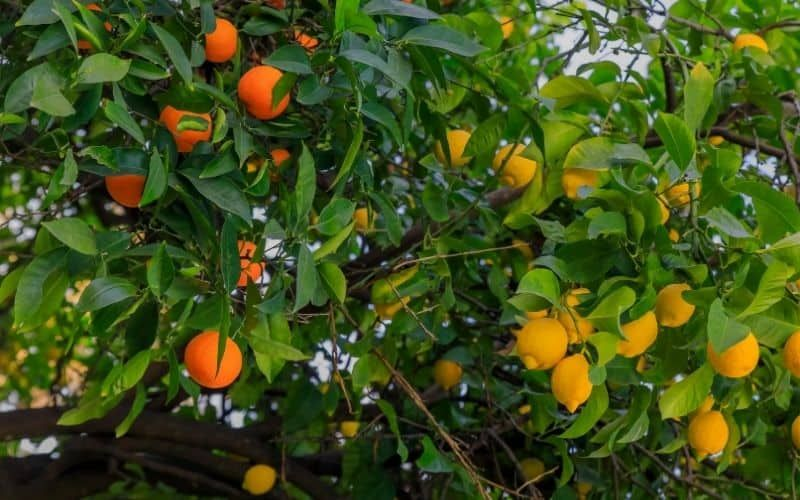
Maximize Scottsdale citrus fruit with smart placement, soil prep, watering, pruning, and feeding, plus local help from AZ Tree Doctor.
How to Maximize Citrus Tree Fruit Production in Scottsdale
If your citrus tree looks healthy but barely produces fruit, you’re not alone. In Scottsdale, citrus can thrive, but it also gets stressed fast. Heat, hard water, poor drainage, and “almost right” care can all reduce blooms and fruit set.
The good news is you can usually fix it with a few targeted changes. You don’t need fancy products. You need the right placement, consistent watering, and a simple plan for pruning and fertilizing. This guide walks you through what actually moves the needle for lemons, limes, oranges, grapefruit, and tangelos in the Scottsdale area.
Table of Contents
1) Why Citrus Trees Struggle to Fruit in Scottsdale
2) How Do You Position Citrus Trees for Maximum Fruit Production?
3) Heat, Sun, and Shade: What Citrus Really Needs Here
4) What Type of Soil Do Citrus Trees Need to Produce Fruit?
5) How Often Should You Water Citrus Trees for Best Fruit Development?
6) How Often Should You Water a Citrus Tree?
7) Caring for Citrus Trees in Arizona (Season-by-Season)
8) Fertilizing Citrus Trees (A Simple Scottsdale Schedule)
9) When and How Should You Prune Citrus Trees for More Fruit?
10) Flowers, Fruit Drop, and Pollination: What’s Normal vs. a Problem
11) Pests and Diseases That Reduce Citrus Production
12) How AZ Tree Doctor Helps You Get More Citrus Fruit
1) Why Citrus Trees Struggle to Fruit in Scottsdale
Citrus trees don’t fruit because you “hope harder.” They bear fruit when the tree has steady energy. That energy comes from healthy roots, stable moisture, and enough leaf area. In Scottsdale, the biggest fruit killers are stress swings. A tree gets too dry, then gets flooded. It gets scorched in a heat wave, then gets over-pruned. It gets fed at the wrong time, then pushed into weak growth.
Another common issue is planting location. Citrus can survive in a rough spot, but survival is not the same as production. If your tree blooms but drops flowers or tiny fruit, that is usually stress. If it barely blooms at all, that is usually light, nutrition, or pruning timing.
2) How Do You Position Citrus Trees for Maximum Fruit Production?
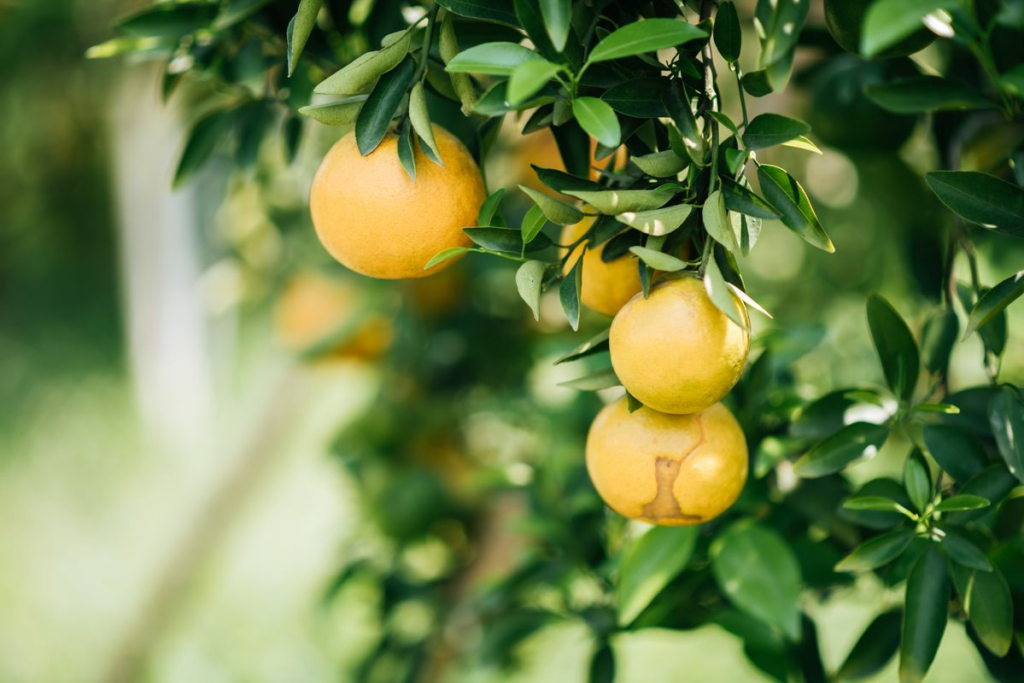
Placement is the first “multiplier.” A well-placed tree needs less correction later. A poorly placed tree will always feel like work. Aim for full morning sun. In Scottsdale, morning sun is productive and less brutal. Afternoon sun can be too intense, especially for young trees.
Give the tree room to breathe. Citrus hates being crowded against walls with heat reflection. It also hates being trapped in a tight corner with no airflow. Avoid low spots where water sits. Citrus roots need oxygen. If water pools for hours after irrigation, fruit production usually drops.
If you have a choice, plant on a slight mound. It helps drainage and reduces root stress.
3) Heat, Sun, and Shade: What Citrus Really Needs Here
Citrus loves sun, but Scottsdale’s sun is a different animal. Summer heat can shut a tree down. That means fewer blooms and less fruit.
For young trees, filtered afternoon shade can be a win. Shade cloth or a smart planting spot can prevent leaf scorch. Less scorch means more leaf area, and more leaf area means more fruit.
Watch the trunk, too. Sunburn on the trunk can damage the vascular system. That can reduce vigor for years. If your tree is exposed, consider trunk protection. A citrus-safe whitewash or trunk wrap can help.
4) What Type of Soil Do Citrus Trees Need to Produce Fruit?
Citrus wants soil that drains fast but holds some moisture. In Scottsdale, many yards have compacted caliche or heavy clay pockets. That can suffocate roots. Start with a simple test. Dig a hole about 12 inches deep. Fill it with water. If it drains in a few hours, you’re in decent shape.
If it takes longer than a day, you need to improve drainage. In that case, planting on a mound is often better than digging a deeper hole. Use organic matter, but don’t overdo it. A small amount of compost mixed into the top zone can help. A giant “pot of compost” in a clay bowl can trap water.
Mulch is your best friend. A 2–4 inch mulch ring keeps roots cooler and moisture steadier. Keep mulch a few inches away from the trunk.
5) How Often Should You Water Citrus Trees for Best Fruit Development?
Fruit development depends on steady moisture. Citrus hates extremes. If the tree dries out during bloom or early fruit set, it will drop fruit. Deep watering is better than frequent shallow watering. You want moisture to reach the root zone, not just the surface.
In summer, most Scottsdale citrus needs more water than people think. But it also needs time to dry slightly between cycles. A good rule is to water to depth, then wait until the top few inches start to dry. That keeps roots active and oxygenated. If you see curling leaves in the morning, the tree is stressed. If you see yellow leaves with soggy soil, it may be overwatered.
6) How Often Should You Water a Citrus Tree?
This depends on tree age, soil, and exposure. Here’s a simple Scottsdale starting point you can adjust. Newly planted (first year): water more often, but still deeply. Think every 2–4 days in extreme heat, less in mild weather. Young established (1–3 years): every 4–7 days in summer is common. In spring and fall, every 7–10 days may work.
Mature trees (3+ years): Every 7–14 days is typical, but heat waves can shorten that. Sandy soil needs more frequent cycles. Always adjust based on what the soil is doing. A moisture meter can help, but a hand check works too. Also, check your irrigation layout. Citrus does better with emitters spread around the drip line. One emitter near the trunk is not enough.
7) Caring for Citrus Trees in Arizona (Season-by-Season)
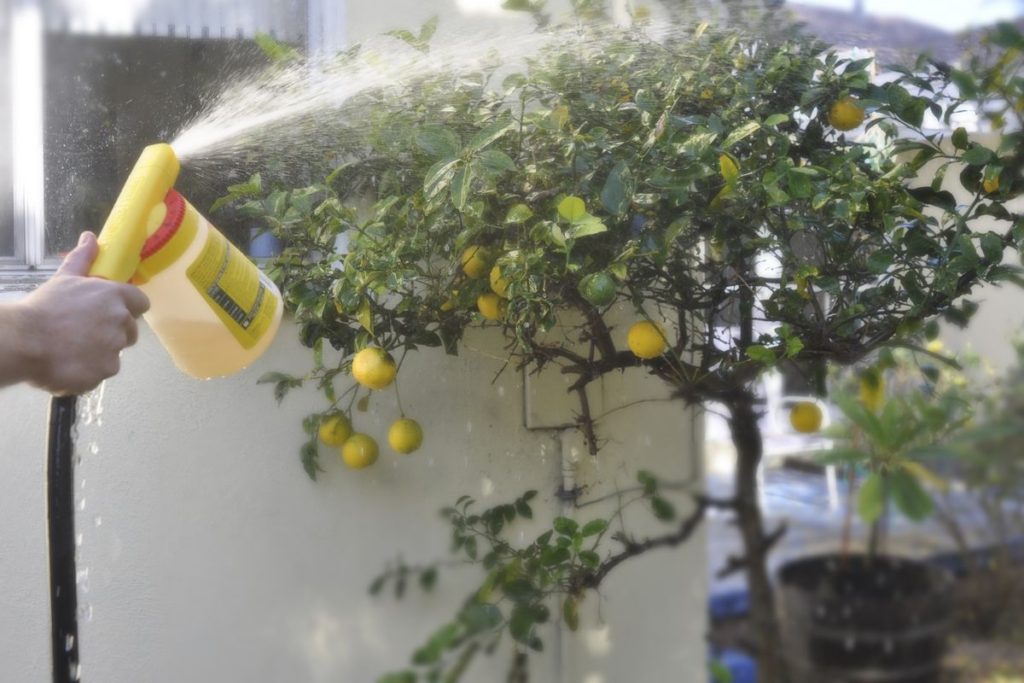
Citrus care is easier when you follow the seasons. You don’t need to do everything all the time. Late winter to early spring is your setup window. This is when you plan feeding and light pruning. It’s also when many trees start pushing blooms.
Spring is about consistency. Keep watering stable. Avoid big pruning right as blooms set. Summer is about protection. Keep mulch in place. Watch for sunburn and heat stress. Water deeply and on schedule.
Fall is a great time to correct small issues. You can clean up light growth and prepare for cooler nights. Winter is mostly about monitoring. Protect from frost when needed. Avoid pushing heavy growth with late fertilizing.
8) Fertilizing Citrus Trees (A Simple Scottsdale Schedule)
Fertilizing is not “more is better.” Citrus wants the right nutrients at the right time. Overfeeding can cause leafy growth with fewer flowers. Use a citrus-specific fertilizer if you can. Citrus often needs nitrogen plus micronutrients like iron, zinc, and manganese.
A simple schedule for Scottsdale is 3–4 feedings per year. Many homeowners do:
· Late winter / early spring
· Late spring
· Mid-summer (light)
· Early fall (optional, light)
Always follow label rates. If you’re unsure, go lighter and be consistent. If leaves are yellow with green veins, that can be iron chlorosis. Scottsdale soils can lock up iron. A chelated iron product may help.
Also, watch your water quality. Hard water can raise soil pH over time, which can reduce nutrient uptake.
9) When and How Should You Prune Citrus Trees for More Fruit?
Pruning can help fruit production, but only when it’s done with restraint. Citrus produces fruit on healthy, sunlit growth. If you remove too much canopy, you remove future fruit.
The best pruning is usually light and targeted. Remove dead wood, crossing branches, and weak interior shoots. Timing matters. Heavy pruning right before bloom can reduce flowers. Heavy pruning in summer can expose bark and cause sunburn.
In Scottsdale, many citrus trees do best with pruning in late winter or early spring. Keep it minimal. Think “clean up,” not “reshape.” Also, remove suckers from below the graft. Those shoots steal energy and rarely produce good fruit.
If your tree is tall and hard to harvest, reduce its height slowly over multiple seasons. A hard top cut can shock the tree.
10) Flowers, Fruit Drop, and Pollination: What’s Normal vs. a Problem
Citrus blooms can be heavy, and fruit drop can look scary. Some drop is normal. The tree sheds what it can’t support. If you see most fruit dropping when it’s pea-sized, look at water stress first. Inconsistent irrigation is the top cause.
Next, look at nutrition. A tree low on nitrogen or micronutrients may not hold fruit well. Pollination is usually not a major issue for backyard citrus. Many citrus varieties are self-fertile. Still, healthy flowers and a low-stress tree matter.
If you use insecticides during bloom, be cautious. You don’t want to harm beneficial insects.
11) Pests and Diseases That Reduce Citrus Production
Pests don’t always kill citrus, but they can reduce fruit quality and yield. The earlier you spot them, the easier it is.
Common issues include:
· Aphids: they distort new growth and can lead to sooty mold
· Scale: they weaken branches and reduce vigor
· Leaf miners: they damage new leaves, especially on young trees
· Spider mites: they cause stippling and stress in hot, dry weather
Also, watch for fungal issues when watering is excessive. If the canopy stays wet or the soil stays soggy, problems increase. A simple approach is regular inspection. Check new growth, leaf undersides, and branch junctions. If you’re unsure what you’re seeing, take clear photos. Correct ID matters before treatment.
12) How AZ Tree Doctor Helps You Get More Citrus Fruit
If your citrus tree isn’t producing, you don’t need guesses. You need a clear diagnosis and a plan that fits Scottsdale’s conditions. AZ Tree Doctor helps by looking at the whole system. That includes sun exposure, irrigation layout, soil drainage, and canopy structure.
We can:
· Assess tree health and stress signals
· Recommend watering adjustments based on your yard and soil
· Prune citrus safely to improve structure without killing future fruit
· Identify pest or disease issues and suggest next steps
· Help protect trees from heat stress and sunburn
You’ll get practical guidance you can follow. You’ll also avoid the common mistakes that reduce fruit for an entire season.
Conclusion
Maximizing citrus fruit production in Scottsdale comes down to stability. Give your tree good placement, well-draining soil, deep, consistent watering, and light, smart pruning. Feed it on a simple schedule. Protect it from extreme heat. Watch for pests early. If you want more fruit, focus on reducing stress. A calm citrus tree is a productive citrus tree.
CTA
Want bigger harvests from your lemon, lime, or orange tree? Contact AZ Tree Doctor for a citrus health check and a fruit-focused pruning plan.
FAQs
1) Why is my citrus tree flowering but not producing fruit?
This is usually stress. In Scottsdale, inconsistent watering and heat swings are common causes. Nutrition can also play a role.
2) Can I prune my citrus tree in summer to get more fruit?
Light pruning is sometimes okay, but heavy summer pruning can expose bark and cause sunburn. Late winter or early spring is safer.
3) What’s the fastest way to improve citrus fruit size?
Stabilize watering first. Deep, consistent watering during fruit set and sizing often makes the biggest difference.
Tags
Scottsdale citrus care, Citrus tree watering, Citrus pruning, and fertilizing
Comments are closed