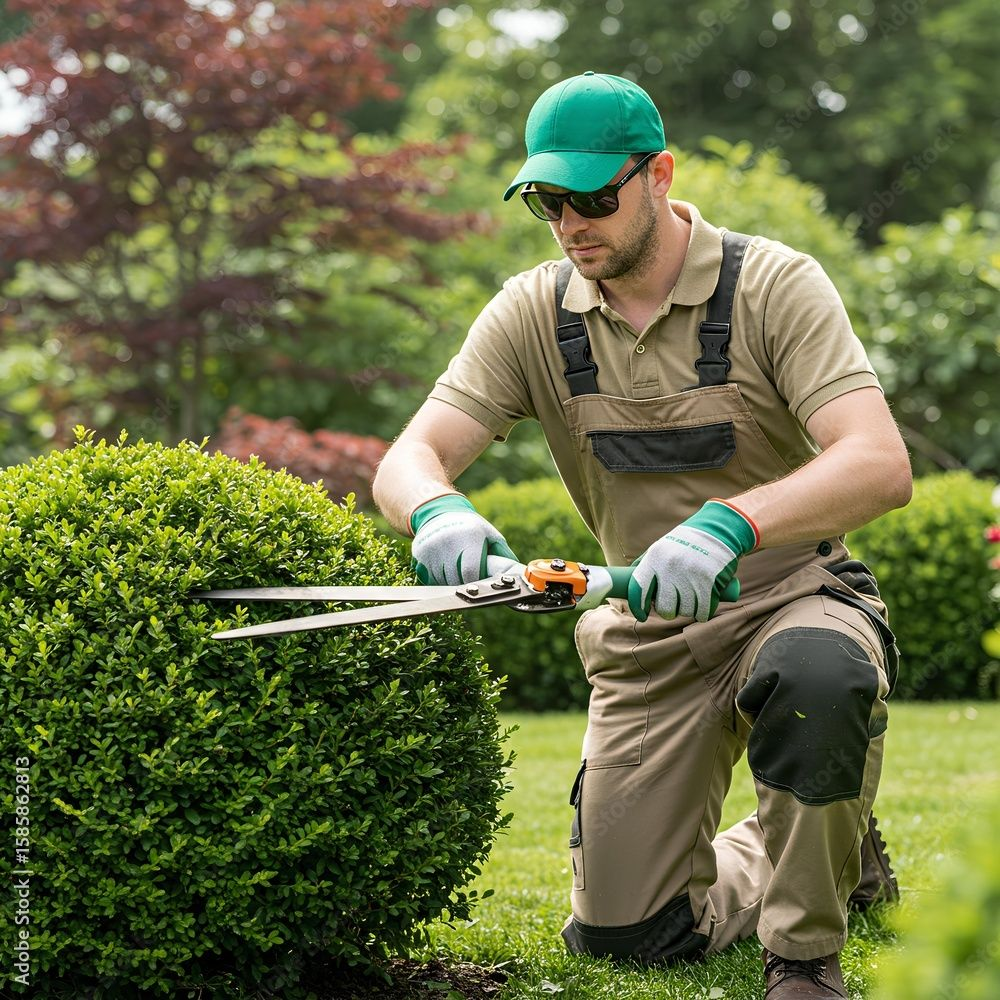
Tree trimming in Phoenix keeps trees safe in the heat and storms. Learn the best timing, costs, signs, and pro tips for healthy growth.
Table of Contents
- Why Tree Trimming in Phoenix, AZ, Demands Special Attention
- How Often Should You Trim Your Trees in Phoenix, AZ?
- When To Trim Trees for Healthy Growth Throughout the Year
- Tree-care tips for Phoenix from an arborist
- When is the most important time for tree maintenance, and why?
- Signs That Your Tree Needs Trimming
- Signs Your Tree Needs Immediate Attention
- Benefits of Regular Tree Trimming
- How trimming schedules change by tree type in Phoenix
- How to trim safely around homes, pools, and power lines
- When to Hire a Professional Tree Trimming Service
- How AZ Tree Doctor helps Phoenix homeowners and property managers
1) Why Tree Trimming in Phoenix, AZ, Demands Special Attention
Phoenix trees live in a tough climate. Heat, dry air, and hard soil push trees to their limits. That stress changes how and when you should trim.
Monsoon winds can snap weak limbs fast. A branch that looks “fine” in May can fail in July. Regular trimming reduces sail effect and lowers break risk.
Sun exposure matters here more than in most cities. Over-thinning can cause sunburn on bark and major limbs. So Phoenix trimming needs a careful, local approach.
I see two common problems across the Valley. Homeowners wait too long, then remove too much at once. Both choices can trigger decline, pests, and weak regrowth.
Good pruning supports structure, clearance, and long-term health. It also helps prevent roof damage, fence damage, and blocked driveways. That is real safety, not just curb appeal.
2) How Often Should You Trim Your Trees in Phoenix, AZ?
Most Phoenix landscape trees do best with routine trimming. A practical baseline is every 12 to 24 months. That keeps growth controlled without over-pruning.
Fast growers need more frequent visits. Desert willow, mulberry, and some ash varieties can push long shoots quickly. Those trees often benefit from annual pruning.
Slow growers may go longer between trims. Many native trees hold shape well when trained early. They may only need touch-ups every two to three years.
Young trees need training, not heavy cutting. In the first 3 to 5 years, schedule light structural pruning yearly. This builds strong branch spacing and a stable trunk.
Mature trees need maintenance and risk reduction. Plan periodic deadwood removal and clearance pruning. Focus on safety, not drastic canopy removal.
If your tree sits near a roof or driveway, trim more often. Clearance reduces rubbing damage and keeps access open. It also helps with pest pathways to your home.
3) When To Trim Trees for Healthy Growth Throughout the Year
Timing matters because Phoenix has extreme seasonal swings. You want to prune when the tree can recover well. You also want to avoid stress stacking.
Late winter to early spring is a common pruning window. Trees are preparing for growth, and wounds close faster. This timing also helps shape before the summer push.
Before monsoon season, do a safety-focused trim. Remove dead limbs, weak unions, and crossing branches. Reduce wind resistance without stripping the canopy.
Avoid heavy pruning during peak summer heat. Open cuts and sudden sun exposure can scorch tissues. That can invite borers and fungal problems.
Fall pruning can work for some trees, but stay cautious. You do not want tender regrowth right before cold snaps. In Phoenix, that risk is lower, but it still exists.
The best schedule blends health and hazard prevention. Think “light and regular” instead of “rare and extreme.” That approach supports strong roots, stable limbs, and better shade.
4) Tree-care tips for Phoenix from an arborist
Start with the right pruning goal. Ask: safety, clearance, structure, or health? A clear goal prevents random cutting.
Use proper cuts, not stubs. Cut just outside the branch collar so the tree can seal. Flush cuts slow healing and raise decay risk.
Do not “lion tail” branches. Leaving foliage only at the ends makes limbs whip in wind. That increases failure during storms.
Keep interior shade where possible. Phoenix sun can burn exposed bark quickly. Balanced canopy management protects the tree.
Water correctly after pruning. A deep soak helps recovery, especially in dry weeks. Do not overwater, because soggy soil can harm roots.
Mulch helps, but keep it off the trunk. Use 2 to 4 inches in a wide ring. This improves soil moisture and reduces heat stress.
5) When is the most important time for tree maintenance, and why?
For Phoenix, pre-monsoon maintenance is the big one. Storms bring sudden wind, dust, and heavy rain bursts. Weak limbs fail when the canopy acts like a sail.
Late spring to early summer is a smart inspection window. You can spot deadwood, cracks, and poor branch unions. You can also correct clearance issues before storms.
This timing protects people and property. It reduces the chance of limb drops on cars and patios. It also lowers the risk of blocked driveways and damaged roofs.
Pre-monsoon work should stay conservative. You want to reduce hazards, not strip shade. Shade is valuable for cooling and tree health.
If you only do one service per year, do this one. Pair it with a winter structural prune when needed. That two-touch plan fits many Phoenix properties.
6) Signs That Your Tree Needs Trimming
Look for dead branches first. Deadwood is brittle and falls without warning. It is also a pathway for decay.
Watch for branches rubbing each other. That friction creates wounds and weak points. Wounds invite pests and disease.
Notice low limbs blocking walkways or driveways. Clearance pruning improves access and visibility. It also reduces accidental breakage.
Check for dense, crowded growth inside the canopy. Crowding reduces airflow and increases limb competition. Selective thinning can improve structure.
See if the tree is leaning more than before. A sudden lean can signal root issues or soil movement. That needs a professional assessment.
If you see sprouts shooting straight up, pay attention. Epicormic growth can follow stress or improper pruning. It often needs corrective trimming.
7) Signs Your Tree Needs Immediate Attention
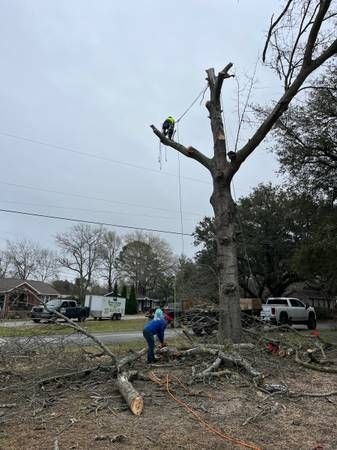
Some signs mean “do not wait.” Cracks in large limbs can fail fast. So can split trunks after storms.
Hanging branches are urgent hazards. If you see a limb partially broken, keep people away. Call a professional right away.
Branches touching power lines are an emergency. Do not attempt DIY cutting near utilities. Contact a qualified crew and your utility provider if needed.
Mushrooms at the base can signal internal decay. Decay reduces load-bearing wood strength. That can lead to sudden failure.
Soil heaving or lifted roots are red flags. It can mean the root plate is shifting. That tree may be unstable.
If a tree drops large limbs in calm weather, treat it seriously. That can indicate hidden defects. An arborist can evaluate risk and recommend next steps.
8) Benefits of Regular Tree Trimming
Regular trimming improves safety first. You reduce deadwood, weak unions, and over-extended limbs. That lowers storm damage risk.
You also improve tree health. Removing damaged branches helps the tree focus energy. Better structure supports long-term growth.
Trimming protects your home and landscape. You prevent roof scraping, gutter clogs, and fence damage. You also reduce shade conflicts with pools and solar panels.
Good pruning improves airflow and light balance. That can reduce fungal pressure in dense canopies. It also supports more even leaf growth.
A maintained canopy can boost property value. Healthy shade trees make outdoor spaces more usable. They also help reduce cooling costs.
Most important, regular care prevents “panic pruning.” Small, scheduled cuts beat major removals later. That saves money and preserves shade.
9) How trimming schedules change by tree type in Phoenix
Not all Phoenix trees follow the same calendar. Native and desert-adapted species often need lighter pruning. Many do best with structural training when young.
Citrus trees follow a different pattern. They often need selective thinning and clearance. You also avoid heavy cuts that reduce fruiting wood.
Palo verde trees can drop limbs in storms. They benefit from early structure and routine deadwood removal. Avoid over-thinning, because it can weaken the tree.
Mesquite trees need careful attention to branch unions. Poor structure can lead to splitting under load. A consistent schedule helps manage that risk.
Mulberries and other fast growers can get out of control. They often need annual pruning for clearance and shape. Keep cuts strategic to avoid weak regrowth.
If you are unsure of your species, ask for an ID. Species-specific pruning protects health and reduces mistakes. It also aligns with Phoenix heat and monsoon realities.
10) How to trim safely around homes, pools, and power lines
Start with a safety zone. Keep kids, pets, and cars away from the work area. Falling limbs can bounce and roll.
Use the right tools for the cut size. Hand pruners for small branches, loppers for medium, saws for larger. Dull tools tear bark and slow healing.
Plan your cut path before you cut. Watch for fences, AC units, and pool screens. A small branch can still cause costly damage.
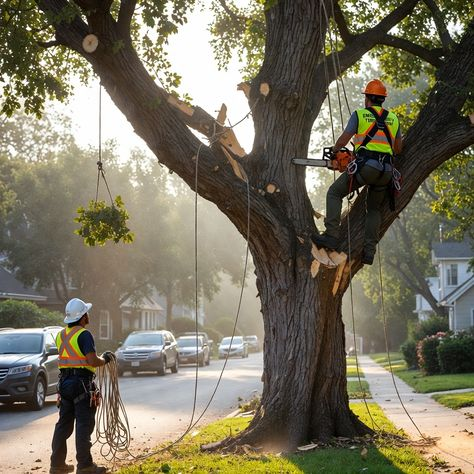
Never climb with a chainsaw unless you are trained. Falls are a major cause of injury in tree work. Professional crews use ropes, harnesses, and rigging.
Power lines change everything. If branches are within reach of lines, stop. Only qualified line-clearance professionals should handle it.
If your property has tight access, rigging matters. A pro crew can lower limbs safely in sections. That protects your home and your tree.
11) When to Hire a Professional Tree Trimming Service
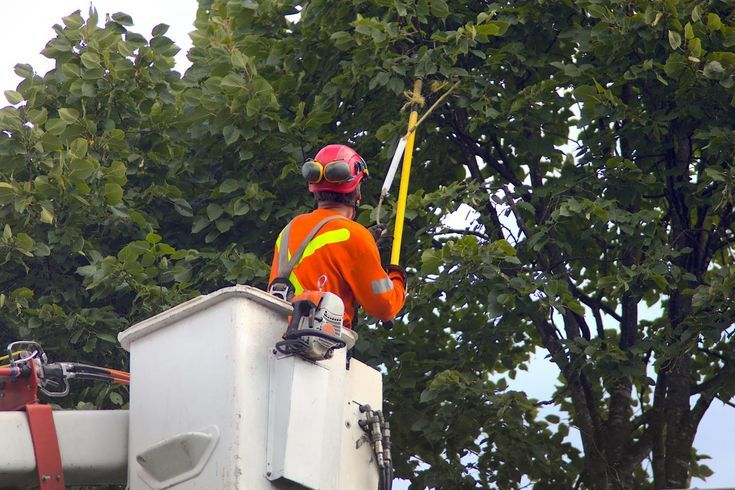
Hire a pro when the tree is large or high. Height increases risk fast. So does cutting heavy limbs over structures.
Call a professional if you see cracks or major deadwood. Those issues can involve hidden decay. An arborist can evaluate load and failure risk.
Professional trimming matters for tree health, too. Bad cuts can cause decay columns and weak regrowth. That shortens the life of your tree.
If you need shaping for long-term structure, get expert help. Structural pruning is a skill, not guesswork. It sets branch spacing and reduces future hazards.
Cost is also part of the decision. One mistake can damage a roof, a pool screen, or a car. A professional service often costs less than repairs.
If you manage rentals or commercial sites, schedule routine service. It reduces liability and keeps the property looking cared for. It also helps you plan budgets instead of reacting.
12) How AZ Tree Doctor helps Phoenix homeowners and property managers
AZ Tree Doctor starts with a real inspection. We look at structure, deadwood, clearance, and storm risk. Then we recommend a trimming plan that fits your trees.
We focus on Phoenix-smart pruning. That means we protect shade and avoid over-thinning. We reduce hazards without stressing the canopy.
We handle routine maintenance and urgent issues. Dead limb removal, clearance pruning, and corrective shaping are common. We also help after storms when damage happens.
We keep safety at the center of every job. Our crews use proper PPE, rigging, and controlled lowering. We treat your home and landscape like it matters.
We also help you set a schedule you can follow. Most clients do an annual or bi-annual visit. That keeps trees healthy and predictable.
If you want a cleaner yard and safer shade, we can help. We make tree care simple, clear, and local to Phoenix. You get better trees without the stress.

FAQs
Q. When should trees be trimmed in Phoenix, AZ?
Late winter/early spring and a light pre-monsoon safety trim are the most reliable windows.
Q. How much does it cost to trim a tree in Phoenix, Arizona?
Most trims vary by size and risk, but many homeowners see typical ranges from a few hundred dollars to over $1,000.
Q. What’s the best month to trim trees in Phoenix?
February is often ideal for many trees, with a second safety check in late May or June.
Q. What is the best time of year to trim your trees in Phoenix?
Aim for late winter for structure and late spring for monsoon risk reduction.
CTA
Want a safer, healthier canopy before the next Phoenix wind event? Contact AZ Tree Doctor for a trimming assessment and a simple maintenance schedule.
Conclusion
Tree trimming in Phoenix is not “once in a while” work. Heat, sun, and monsoons demand a smart schedule. Trim lightly, trim regularly, and protect your shade.
A good plan prevents hazards and supports healthy growth. Watch for warning signs and avoid risky DIY cuts. When in doubt, bring in a professional.
If you want help setting the right timing for your trees, AZ Tree Doctor can guide you. You will get safer branches, better structure, and peace of mind. That is the goal for every Phoenix property.
Tags
Phoenix tree trimming, Desert tree care, Monsoon tree maintenance
Comments are closed