Arizona fruit can thrive with smart tree choice and care. Learn the easiest fruits, top varieties, planting steps, and fixes for common issues.
Table of Contents
- Understanding Arizona’s Climate so You Can Grow Fruit Trees in Arizona
- Grow Fruit Trees in Arizona: Choosing the Right Trees
- Fruit Trees Best Suited to Grow in Arizona
- Arizona: Fruit Tree Growing Guide
- Citrus Trees: All Citrus
- Fig Trees
- Pomegranate Trees
- Persimmon Trees
- Apple Trees
- Asian Pear Trees
- Apricot/Plum Trees
- Advanced Techniques and Troubleshooting Common Issues with How to Grow Fruit Trees in Arizona
1) Understanding Arizona’s Climate so You Can Grow Fruit Trees in Arizona
Arizona gives you sun, heat, and big swings. Those factors shape what fruit grows easily here. Success starts with matching the tree to your microclimate.
Low-desert cities like Phoenix and parts of the Valley bring long, hot summers. Heat stress can drop flowers and reduce fruit set. Sunburn can also damage bark on young trees.
Higher elevations like Prescott and Flagstaff run cooler. Cold winters increase chill hours for apples and pears. Late frosts can still hit blossoms in spring.
Soil adds another challenge across the state. Many yards have alkaline soil, caliche layers, and poor drainage. Roots struggle when water sits or when soil stays rock-hard.
Monsoon season changes the game mid-year. Sudden wind and heavy rain can snap weak branches. A stable structure and correct staking reduce breakage.
The easiest fruit to grow in Arizona usually shares three traits. It tolerates heat, handles alkaline conditions, and forgives small mistakes. Citrus, figs, and pomegranates often win for low desert.
2) Grow Fruit Trees in Arizona: Choosing the Right Trees
Start with your ZIP code and elevation. Then check chill hours and summer heat intensity. That simple step prevents most fruit-tree failures.
Next, choose trees that fit your yard space. A standard citrus can outgrow a small patio fast. Dwarf or semi-dwarf options keep maintenance easier.
Water access matters more than most people expect. A fruit tree needs deep watering on a schedule. Drip irrigation makes that consistent and efficient.
Sun placement decides fruit quality. Morning sun with some afternoon protection works well in Phoenix. Too much reflected heat from block walls can scorch leaves.
Rootstock selection also changes outcomes. Good rootstock improves disease resistance and soil tolerance. Nurseries often label this, so read tags carefully.
Finally, buy healthy stock from a reputable nursery. Look for strong structure and no trunk wounds. Skip trees with circling roots or weak branch angles.
Transitioning from selection to planting is where many yards struggle. A great tree still fails in a bad hole. So plan soil prep before you bring the tree home.
3) Fruit Trees Best Suited to Grow in Arizona
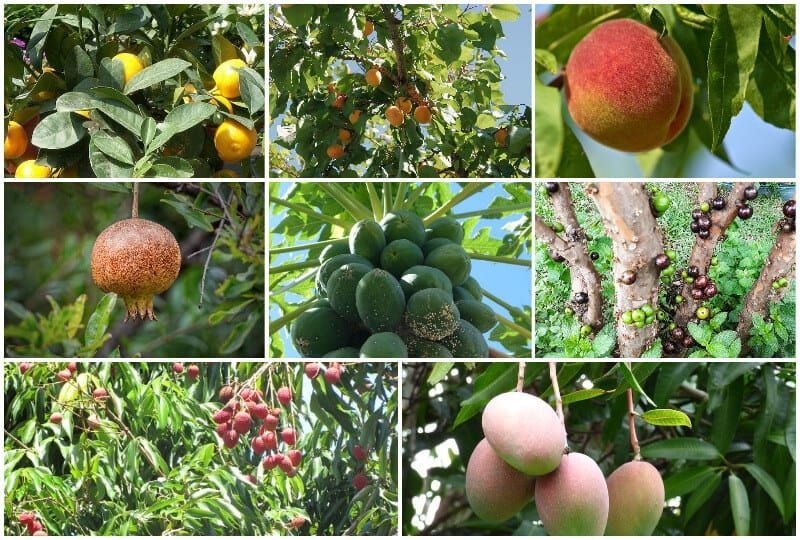
For the easiest wins in the low desert, start with citrus. Lemons, limes, oranges, and grapefruit handle heat well. Fruit quality improves with consistent watering and feeding.
Figs also rank high for Arizona success. Many varieties tolerate heat and bounce back after stress. Figs produce well once established.
Pomegranates thrive in hot, dry climates. They handle drought better than many fruit trees. That makes them a strong “easy fruit” choice.
Persimmons can do well with the right variety. They tolerate heat once established. Fruit is low-maintenance compared to some stone fruits.
Apples and Asian pears work best in cooler zones. In the Valley, low-chill varieties can still produce. Shade planning and irrigation become more important.
Apricot and plum can succeed, yet timing matters. Early bloom can get hit by late cold snaps in some areas. Good pruning and disease prevention keep them productive.
If you want one “easiest fruit” answer for Phoenix yards, choose lemon. Lemons produce reliably with basic care. That makes them a top beginner-friendly fruit in Arizona.
4) Arizona: Fruit Tree Growing Guide
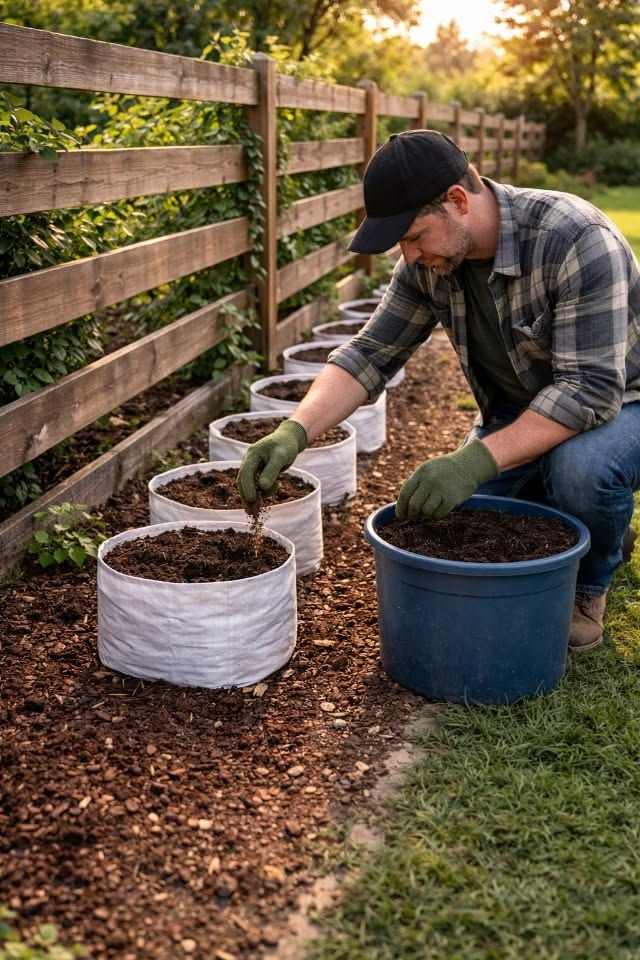
Planting correctly sets the tree up for years. Dig a wide hole, not a deep one. Roots spread outward more than downward.
Keep the root flare slightly above grade. A buried trunk invites rot and pests. A raised flare improves oxygen at the base.
Break up caliche if you hit it. A hard layer can trap water like a bowl. That leads to root suffocation and decline.
Build a wide mulch ring for moisture control. Use wood chips 2 to 4 inches deep. Keep mulch several inches away from the trunk.
Water deeply after planting, then follow a schedule. Deep watering trains roots to go down and out. Frequent shallow watering keeps roots weak.
Pruning early focuses on structure. Remove broken twigs and bad angles. Avoid heavy canopy removal in the first season.
Fertilize with a plan, not guesses. Citrus often needs nitrogen and micronutrients. Iron chlorosis shows up fast in alkaline soil.

5) Citrus Trees: All Citrus
Citrus is the easiest fruit category for many Arizona homeowners. Lemons often lead because they produce steadily. Limes and oranges also do well with routine care.
Choose a variety that fits your heat level. In Phoenix, heat-tolerant selections perform best. A nursery can recommend options for your neighborhood.
Plant citrus where it gets morning sun. Afternoon shade reduces leaf scorch in extreme heat. A light shade cloth can help in the first summer.
Watering drives fruit size and sweetness. Deep soak the root zone, then let it dry slightly. Overwatering can cause root issues and leaf drop.
Feed citrus during the growing season. Use a citrus fertilizer that includes micronutrients. Watch for yellow leaves that signal iron or nitrogen needs.
Protect trunks from sunburn. Use white tree wrap or diluted white latex paint. That simple step prevents bark cracking.
Prune lightly and avoid topping. Remove deadwood and crossing branches. Keep enough canopy to shade major limbs.
6) Fig Trees
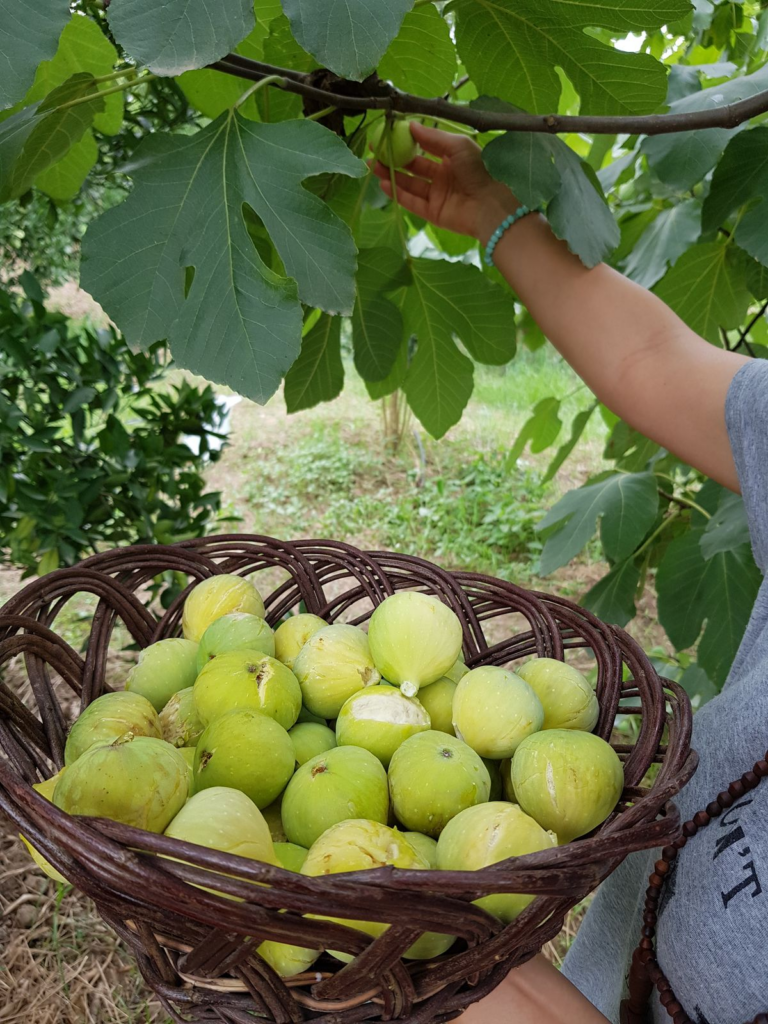
Figs thrive in Arizona because they like heat. Once established, a fig can handle tough summers. Fruit production can be generous with consistent watering.
Pick a variety known for desert performance. Many common figs do well in the Valley. A local nursery can guide the best cultivar.
Give figs space and plan for roots. A mature fig spreads wide and shades well. Root barriers may help near hardscape.
Water deeply during fruit set. Drought stress can drop fruit early. Steady moisture improves size and flavor.
Prune figs during dormancy for shape. Remove weak shoots and crowded growth. Keep a balanced structure that resists monsoon wind.
Birds love ripe figs, so plan ahead. Netting can protect fruit close to harvest. Harvest often to reduce pest pressure.
Figs can be among the easiest fruits to grow here. A healthy fig forgives small mistakes. That makes it a strong beginner tree.
7) Pomegranate Trees
Pomegranates fit Arizona’s climate naturally. They tolerate heat and lower humidity well. Fruit quality can be excellent in full sun.
Choose a spot with strong light. Pomegranate fruit does best with plenty of sun. Good airflow also reduces fungal issues.
Water deeply but avoid soggy soil. Overwatering can split fruit near harvest. A steady schedule prevents stress swings.
Prune to manage multiple stems. Many pomegranates grow as shrubs or small trees. Select main trunks and remove excess suckers.
Thin fruit if the tree overloads. Too many fruits can reduce their size and sweetness. Balanced load improves overall quality.
Watch for fruit cracking in the late season. Cracking often signals uneven watering. Adjust irrigation before the hottest weeks.
For “easy fruit” in Phoenix, pomegranate ranks near the top. Maintenance stays simple and predictable. Harvest brings high payoff for the effort.
8) Persimmon Trees
Persimmons can succeed across many Arizona areas. They handle heat better than some people expect. Fruit also stores well after harvest.
Pick a variety that matches your climate. Some types need more chill than others. Local guidance helps you avoid poor fruit set.
Plant persimmons with room for a strong canopy. A healthy canopy shades limbs from sunburn. That protection matters in the low desert.
Water consistently in summer. Drought stress can reduce fruit size. Deep watering supports steady growth.
Prune for structure and clearance. Remove crossing branches and weak angles. Keep a stable framework for heavy fruit loads.
Support branches if the fruit gets heavy. Props can prevent breakage near harvest. That reduces damage and future decay.
Persimmons feel “easy” once established. Pest pressure is often lower than other fruits. Good structure and water carry most of the success.
9) Apple Trees
Apples can grow in Arizona with the right plan. Cooler regions make apples much easier. In warmer areas, low-chill varieties matter.
Select cultivars designed for fewer chill hours. That improves bloom and fruit set in the Valley. A nursery list for Arizona helps a lot.
Plant where the tree avoids reflected heat. Hot walls can stress apples in summer. Morning sun with some afternoon relief works well.
Water deeply and mulch widely. Apples need consistent moisture for good fruit. Mulch reduces soil temperature swings.
Prune during dormancy for shape. Open the canopy for airflow and light. Avoid removing too much at once.
Thin fruit to improve size and reduce limb strain. Overloaded branches can snap in monsoon winds. Thinning also helps prevent alternate bearing.
Apples may not be the easiest fruit in Phoenix. Still, the right variety can produce with steady care. Cooler Arizona zones make apples a top choice.
10) Asian Pear Trees
Asian pears offer crisp fruit and strong performance in many areas. Some varieties handle Arizona heat better than European pears. Fruit texture stays firm and refreshing.
Choose low-chill varieties for warmer zones. Chill hours still matter for bloom timing. Correct selection prevents weak flowering.
Give the tree deep watering and good drainage. Pear roots dislike standing water. A raised planting area can help in heavy soil.
Prune to keep branch angles strong. Wide crotch angles resist splitting. That matters when fruit weight builds.
Thin fruit clusters early. Crowded clusters produce smaller pears. Thinning improves size and reduces limb stress.
Watch for sunburn on exposed fruit. Leaf cover protects fruit in extreme heat. Balanced pruning keeps that natural shade.
Asian pears can be a solid Arizona option. A good variety plus irrigation creates reliable harvests. That combination keeps maintenance manageable.
11) Apricot/Plum Trees
Stone fruits can do well in Arizona, especially in the right zone. Apricots and plums often bloom early. That makes frost timing an important factor.
Pick varieties suited to your elevation. Higher areas support classic stone fruit growth. Low desert yards may need low-chill selections.
Plant in well-drained soil and avoid caliche bowls. Roots need oxygen and steady moisture. Drainage problems trigger a decline fast.
Prune for structure and sunlight balance. Remove crossing limbs and weak angles. Keep enough canopy to protect bark from sun.
Thin fruit to prevent limb breakage. Heavy loads can split branches. Thinning also improves fruit size and flavor.
Watch for pests and disease pressure. Peach twig borer and fungal issues can appear. A proactive plan reduces surprises.
Apricot and plum are not always the “easiest” in Phoenix. Still, good selection and care can produce great results. Cooler Arizona zones make them much easier.
12) Advanced Techniques and Troubleshooting Common Issues with How to Grow Fruit Trees in Arizona
Once basics are solid, advanced steps boost yield. Start with canopy management for heat protection. Keep enough leaves to shade limbs and fruit.
Use deep watering cycles, not daily sprinkles. Long soak cycles push roots deeper. Deeper roots handle summer stress better.
Correct nutrient problems early. Yellow leaves with green veins often signal iron chlorosis. Chelated iron and soil management can help.
Fix fruit drop by reducing stress swings. Uneven watering and heat spikes cause drop. Consistent irrigation and mulch stabilize conditions.
Prevent sunburn with trunk protection and smart pruning. White wrap reduces bark damage. Afternoon shade helps young trees survive.
Handle pests with targeted action. Use monitoring, not random spraying. Healthy trees resist pests better.
15 Fruit Trees That Can Grow in the Arizona Desert :
- Lemon
- Lime
- Orange
- Grapefruit
- Mandarin
- Kumquat
- Fig
- Pomegranate
- Persimmon
- Mulberry (messy but tough)
- Jujube
- Loquat
- Olive (fruiting varieties)
- Low-chill peach (site-dependent)
- Low-chill apple (site-dependent)
How AZ Tree Doctor helps: Our team evaluates your yard, soil, and sun exposure. We recommend the easiest fruit trees for your exact location. We also prune for structure, set irrigation guidance, and solve decline issues.
FAQs
- What fruits grow in Arizona?
- Citrus, figs, pomegranates, persimmons, mulberries, jujube, loquat, and more grow well depending on elevation and chill hours.
- What fruit does Arizona grow the most?
- Citrus leads the way, with lemons and oranges among the most common and productive in many Arizona yards and groves.
- What’s the easiest fruit to grow in Arizona?
- For many low-desert homes, lemon is the easiest because it handles heat and produces reliably with basic care.
- What fruits grow naturally in Arizona?
- Native and naturalized fruits include prickly pear cactus fruit and other desert-adapted edibles that thrive without heavy inputs.
- What is the fastest-growing tree in Arizona?
- Desert willow and some mulberry varieties grow quickly, although the growth rate depends on water and soil conditions.
CTA
Want fruit trees that actually produce in Arizona heat? Contact AZ Tree Doctor for a site check, pruning plan, and simple care schedule tailored to your yard.
Conclusion
Arizona can be a great place to grow fruit. The key is choosing trees that match heat and soil. Citrus, figs, and pomegranates often deliver the easiest wins.
Smart planting and deep watering build strong roots. Balanced pruning protects shade and prevents sunburn. Consistent care turns a young tree into a reliable producer.
If you want help picking the right tree or fixing a struggling one, AZ Tree Doctor can guide you. A clear plan saves time and prevents expensive mistakes. Better fruit starts with better tree care.
Tags
Arizona fruit trees, Phoenix citrus care, Desert gardening tips
Comments are closed