Protect Arizona citrus from frost. Learn expert tips on covering, watering, and soil care. Keep your trees thriving all winter long.
Table of Contents
1. Introduction to Arizona Citrus Care
2. Understanding Subtropical Climates
3. The Impact of Freezing Temperatures
4. Monitor Weather Forecasts Regularly
5. Strategic Location for Planting
6. The Role of Soil in Heat Retention
7. Effective Watering Practices
8. Microsprinkler Irrigation Benefits
9. Mulching for Root Protection
10. Proper Techniques for Covering Trees
11. Protecting the Graft Union
12. Using Insulating Tree Wraps
13. The Science of Radiational Cooling
14. Understanding the Inversion Layer
15. Heating Devices for Extra Warmth
16. Using Wind Machines (Fans)
18. Supporting Cold Adaptation
20. Conclusion
21. FAQs
Introduction to Arizona Citrus Care
Arizona’s climate is perfect for citrus, but winter nights bring hidden dangers. You must act fast when the temperature drops to Protect Arizona Citrus Trees from Frost in Cold Weather. Cold snaps can freeze the water inside plant cells and kill your branches overnight.
Start by checking your local weather reports every evening. Move your potted plants to a sheltered porch or inside the garage. For trees in the ground, give them a deep watering before the sun goes down. Moist soil stays warmer than dry soil and radiates heat upward.
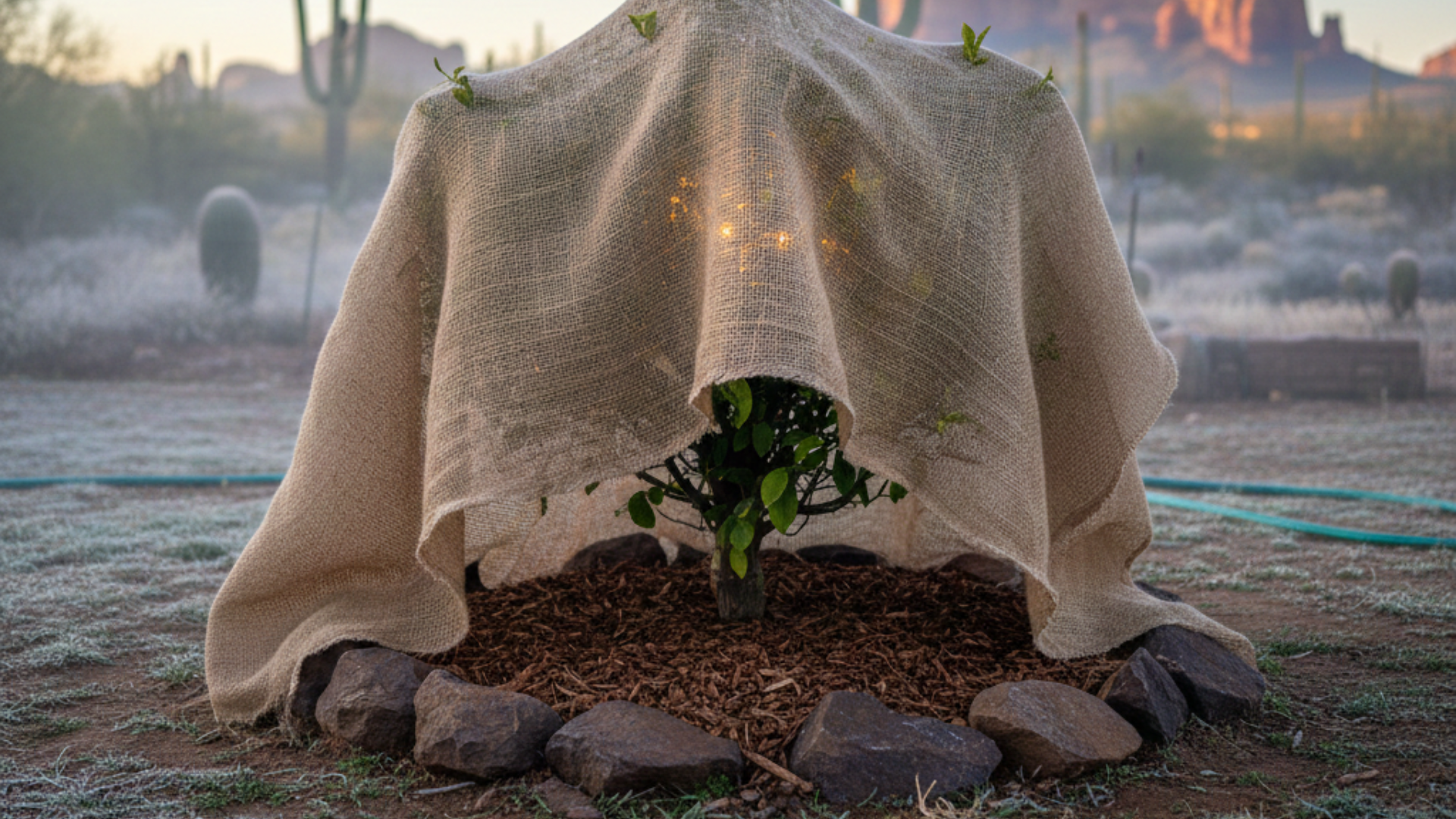
You should use heavy cloth or frost blankets to cover your sensitive trees. Drape the material all the way to the ground to trap the earth’s natural warmth. Avoid using plastic covers because they can trap moisture and cause rot. Secure the edges with bricks or stakes so the wind doesn’t blow them away.
Young trees need extra care because their bark is still very thin. Wrap their trunks with cardboard or specialized tree wraps for added insulation. This simple step prevents the bark from splitting during a hard freeze. Taking these small actions now ensures you have a healthy, fruit-filled harvest later.
Understanding Subtropical Climates
Citrus trees thrive naturally in subtropical climates, which makes Arizona a popular place for home orchards. These regions usually offer long, sunny summers and very mild winters. However, the desert environment creates a unique challenge for every gardener. Daytime temperatures stay warm, but the dry air allows heat to escape quickly at night. You will often see drastic temperature drops as soon as the sun sets.
These sudden shifts can shock your trees if you aren’t prepared. Your citrus trees need specific care to handle these cold desert nights. You should monitor the local humidity and wind speeds closely. Dry air makes frost more likely to form on sensitive leaves and fruit.
Healthy trees manage these changes better when they have deep roots. You can support them by maintaining a consistent watering schedule throughout the fall. This preparation helps the tree build up strength before the first cold snap hits. Always keep an eye on the thermometer during December and January. Simple adjustments to your routine will protect your investment for years to come.
The Impact of Freezing Temperatures
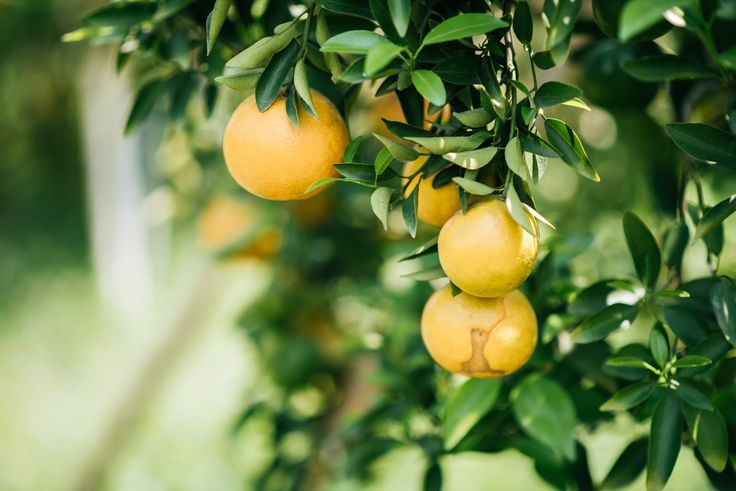
*Freezing temperatures pose a significant risk to your citrus health and can ruin a season’s hard work. When the air turns icy, water inside the plant cells begins to freeze. These growing ice crystals act like tiny needles and rupture the delicate cell walls. You cannot see this happening inside, but the results appear quickly the next morning.
You might notice wilting, drooping, or blackened leaves after a particularly cold night. This damage happens because the plant can no longer transport water through its broken tissues. Young green wood is especially vulnerable to these cold snaps. If the freeze lasts for several hours, it can even damage the main trunk.
Protecting your trees is the best way to prevent this permanent scarring. You should look for signs of “cold burn” on the outer canopy first. Avoid cutting off the damaged leaves right away, even if they look ugly. These dead leaves actually provide a small layer of insulation for the healthy wood underneath.
Wait until the danger of frost passes in late spring before you start pruning. This patience allows the tree to recover its strength naturally. Keeping your trees hydrated also helps them resist cell damage during a freeze.
Monitor Weather Forecasts Regularly
You should monitor weather forecasts every day throughout the winter months. Local news stations and weather apps provide vital alerts for frost warnings. These updates give you the lead time needed to gather your supplies. You can buy frost blankets or move potted plants before the cold hits.
Stay especially alert when the night sky is clear and calm. Clouds usually act like a blanket that keeps heat near the ground. Without them, the warmth escapes into space very quickly. Early preparation is the best way to protect your investment and keep your citrus trees safe.
Strategic Location for Planting
The location of your tree determines its natural warmth and survival during the winter. You should choose a planting spot that maximizes sun exposure. Southern sides of your home provide the most sunlight during the short winter days. This sunlight warms the ground and the tree’s bark effectively.
Hard surfaces like brick walls or stone patios act as heat sinks. They soak up the sun’s energy all day long. At night, these walls radiate that stored heat back toward your citrus tree. This creates a cozy microclimate that can stay several degrees warmer than the open yard.
You must also consider the wind when picking a spot. Cold northern winds can strip heat away from your trees instantly. Look for a location that uses your house or a thick fence as a windbreak. Avoiding low-lying areas in your yard is also smart. Cold air settles in low spots, making them much more dangerous during a frost.
The Role of Soil in Heat Retention
Bare soil absorbs significantly more heat than ground covered in thick grass or weeds. During the day, the sun warms the dark earth directly. This energy stays trapped in the soil like a natural battery. As the sun goes down, the earth slowly releases that warmth back into the air.
This rising heat creates a warmer pocket around your tree’s lower branches. You should keep the area under the canopy clear of weeds and turf. Removing these plants allows the sun to hit the dirt directly. Clean, bare soil is one of your best tools for natural frost protection.
Effective Watering Practices
Using effective watering practices is one of the simplest ways to save your trees. You should always water your citrus deeply before a freeze arrives. Moist soil holds much more heat than dry, loose dirt. This stored moisture creates a warmer microclimate right at the base of the tree.
As the water in the soil stays warm, it radiates heat upward during the night. Give your citrus a thorough soak before the sun sets. This hydration also keeps the tree’s cells strong and plump. A thirsty tree is much more likely to suffer from permanent frost damage.
Microsprinkler Irrigation Benefits
Many professionals recommend microsprinkler irrigation for maintaining consistent moisture in your orchard. These systems deliver water directly to the root zone with high efficiency. Constant water flow actually releases latent heat as it begins to freeze on the surface. This unique process provides a thin, protective layer of ice for the bark and lower limbs.
The moving water keeps the temperature of the plant tissue just above the danger zone. You can set these systems to run automatically during the coldest hours of the night. It is a smart, low-effort way to safeguard your investment during a hard freeze.
Mulching for Root Protection
Mulching acts as a warm blanket for your tree’s root system. You should use organic materials like wood chips, bark, or straw near the base. This thick layer prevents the ground from freezing too deeply during cold spells. It keeps the roots cozy and protects them from sudden temperature shocks.
Always ensure the mulch does not touch the trunk directly. Pull the material back a few inches to create a small gap. This prevents moisture buildup and keeps the bark healthy. Proper mulching saves the “engine” of your tree so it can bounce back quickly in the spring.
Proper Techniques for Covering Trees
Covering trees is the most popular and effective way to fight off frost damage. You should use breathable materials like burlap, old bedsheets, or specialized frost blankets. Avoid using thin plastic, as it can burn the leaves when the sun comes up.
Always extend the fabric all the way to the ground and secure the edges. This setup traps the natural heat rising from the warm soil inside the “tent.” Do not tie the cloth tightly around the trunk like a lollipop. Creating a wide canopy cover keeps the entire tree much warmer throughout the night.

Protecting the Graft Union
The graft union is the most sensitive part of your citrus tree. You can find it near the base where the fruit variety meets the hardy rootstock. Damage to this specific spot can kill the entire upper portion of your tree. If the graft dies, the tree may only grow sour or wild fruit from the roots.
You should wrap this area carefully with thick fabric or foam before a freeze. This extra layer of insulation ensures the tree’s long-term survival. Keeping the graft warm protects the “heart” of your citrus plant.
Using Insulating Tree Wraps
Insulating tree wraps provide an extra layer of safety for trunks. These wraps are vital for young trees with thin bark. You can use cardboard or commercial foam protectors easily. Remove them once the danger of frost passes in spring.

The Science of Radiational Cooling
Radiational cooling happens on clear, still nights across the Arizona desert. During the day, the Earth soaks up a massive amount of solar energy. Once the sun sets, the ground releases this heat back into the atmosphere. On cloudy nights, the clouds bounce that heat back down like a lid on a pot.
Without clouds, the heat escapes into space very quickly. This process causes rapid temperature drops right at the surface where your trees live. Understanding this science helps you predict frost more accurately, even when the day feels warm.
Understanding the Inversion Layer
An inversion layer occurs when warm air stays trapped just a few feet above the ground. On cold nights, the heaviest air sinks to the lowest points of your yard. These low spots become “frost pockets” where temperatures drop much faster. You should use this knowledge to place your trees strategically on higher ground.
Warm air sits right above the cold layer, often just ten feet up. You can protect your citrus by keeping them away from depressions or valley bottoms. Planting on a slight slope allows the cold air to drain away safely.
Heating Devices for Extra Warmth
You may need heating devices to provide extra warmth during extreme cold events. Old-fashioned incandescent holiday lights are a fantastic tool because they generate a mild, safe heat. You should string them carefully through the inner branches of the canopy.
Always place the lights inside before you pull the frost cover over the tree. The cover traps the heat from the bulbs and keeps the leaves cozy. Never use modern LED lights for this task, as they do not produce any heat. This simple trick can raise the temperature inside the cover by several vital degrees.
Using Wind Machines (Fans)
A wind machine (fan) helps mix the different air layers around your trees. It pulls the warmer air down from the inversion layer floating just above the ground. This constant movement prevents the heavy, freezing air from settling on your sensitive leaves. While large orchards use massive fans, you can use a high-powered home fan for a similar effect.
Position the fan to blow the warmer air directly into the canopy of your citrus tree. This simple airflow can keep the surface temperature just above the freezing point. It is an excellent way to boost your protection on very still, icy nights.

Avoiding Winter Pruning
You should always delay pruning until the warm spring weather finally arrives. Cutting your trees in winter encourages them to produce new, tender growth. This fresh growth is very soft and sensitive to even a light frost. You want your tree to remain completely dormant and quiet during the cold months.
The old foliage acts like a natural shield for the inner branches. Even if the outer leaves look brown or damaged, leave them alone for now. They provide a vital layer of insulation against the biting wind. Wait for the new buds to appear in spring before you reach for your shears.
Supporting Cold Adaptation
Trees undergo a natural process called cold adaptation as the autumn weather shifts gradually. This internal change helps your citrus survive much lower ambient temperatures than usual. You can support this transition by stopping high-nitrogen fertilizers late in the fall season.
Nitrogen triggers rapid growth spurts that stay soft and full of water. These tender new shoots freeze easily and can damage the entire limb. You want your tree to harden its wood and slow down its energy use. Letting the tree rest naturally ensures it stays tough enough to handle the upcoming winter nights.
How We Can Help You
We provide professional assessments for your unique Arizona landscape. Our expert team identifies the specific needs of your different citrus varieties. We offer clear advice on irrigation, soil health, and winter preparation. You can trust us to create a custom plan that fits your backyard perfectly.
We take the guesswork out of frost protection for you. Let us help you keep your backyard orchard healthy and productive all year long. We handle everything from trunk wrapping to system checks. You deserve a stress-free winter and a massive fruit harvest in the spring.
Conclusion
Protecting your citrus requires a bit of planning and consistent effort. Arizona winters are beautiful, but the nights can be surprisingly harsh on your plants. You should use these expert tips to stay ahead of the freezing weather. Taking small steps now ensures a bountiful harvest for your family next year.
Your trees will thank you by producing delicious, juicy fruit all season long. Remember that healthy trees are an investment in your home’s value and beauty. Stay proactive and keep your orchard safe from the cold. A little bit of winter care leads to a lifetime of sweet rewards.
FAQs
Q. What does frost do to citrus trees?
Frost freezes the water inside plant cells and causes them to burst. This damage leads to blackened leaves, wilting, and potential death of the branches.
Q. How often should I water citrus trees in Arizona in winter?
You should water mature trees every three to four weeks during the winter months. Always give them a deep soak right before a predicted frost to keep the soil warm.
Q. How do you protect citrus trees?
Cover your trees with breathable fabric blankets that reach all the way to the ground. You can also wrap the trunks and use incandescent lights to provide extra heat.
Q. Will a tree recover from frost damage?
Most citrus trees in Arizona recover quickly if the trunk and graft union remain healthy. Wait until spring to see new growth before you prune any brown or damaged branches.
Q. How do you check if the branch is still alive?
Scratch a small piece of bark with your fingernail to check the color underneath. If the tissue looks green, the branch is alive and will likely grow new leaves soon.
CTA
Don’t let the frost ruin your beautiful citrus harvest. Visit aztreedoctor today to schedule a professional consultation. Our experts are ready to protect your landscape from the winter chill. Contact us now and ensure your trees thrive all year round.
Tags
Arizona Citrus Care, Frost Protection Tips, Winter Tree Maintenance
Comments are closed