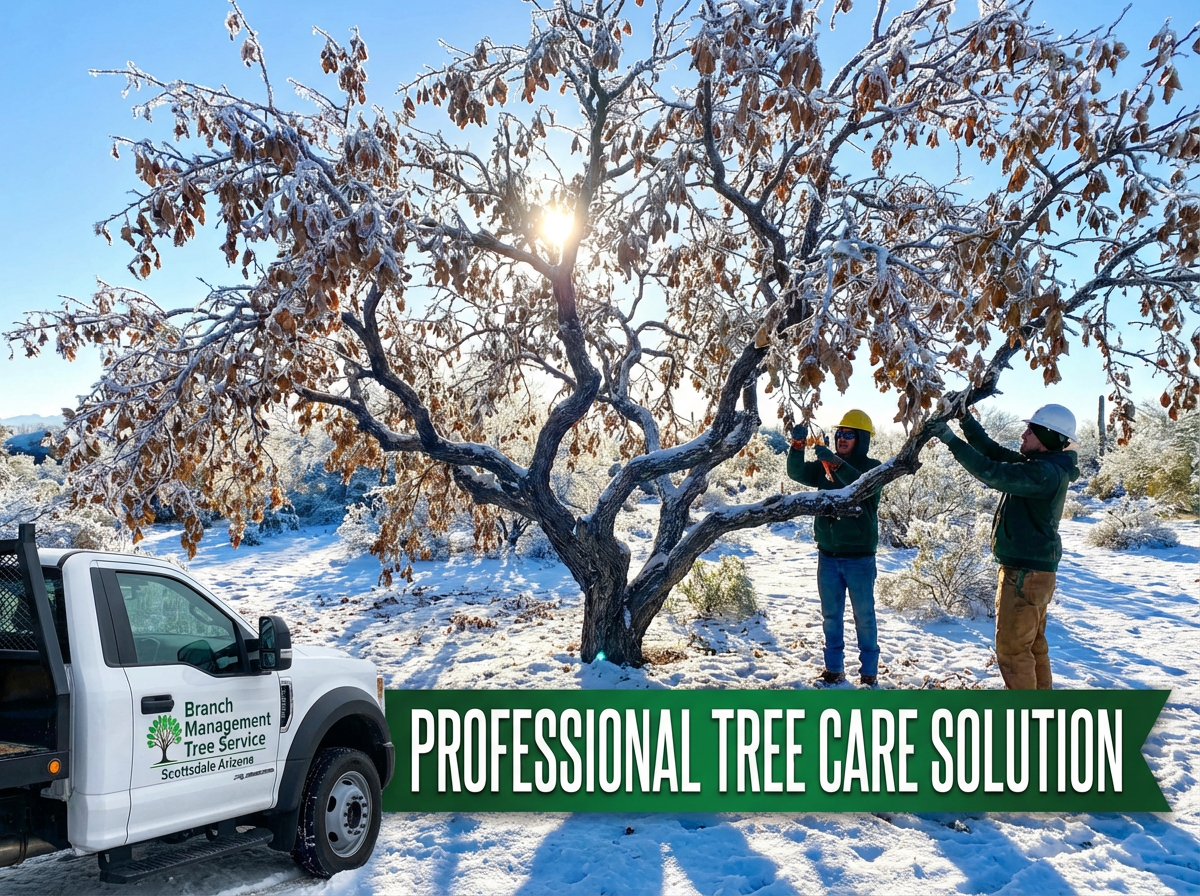
Arizona cold snaps damage trees fast. Learn why your trees look sick after winter stress and how to help them recover before spring arrives.
Table of Contents
- Understanding Winter Stress in Arizona Trees
- Common Signs Your Tree Suffered Cold Damage
- Why Desert Trees Struggle with Temperature Drops
- Frost Damage vs. Disease: Knowing the Difference
- Immediate Steps to Take After a Cold Snap
- Long-Term Recovery Strategies for Stressed Trees
- Prevention Tips for Future Winter Protection
- How Branch Management Tree Service Helps Your Trees
- Show Your Trees Love This Valentine’s Day
- When to Call a Professional Arborist
- FAQs
- Conclusion
Understanding Winter Stress in Arizona Trees
Arizona trees face unique challenges during the winter months that most homeowners don’t fully understand. Cold snaps arrive suddenly and catch trees completely off guard, creating immediate stress responses. Desert-adapted species struggle when temperatures drop below freezing overnight, disrupting their natural biological processes.
Winter stress occurs when trees cannot adjust their metabolism quickly enough to handle rapid temperature changes. Cell damage happens inside branches and trunks during freezing periods when water molecules expand. Water inside plant cells expands and ruptures delicate tissues, creating permanent damage that weakens the tree’s structure.
Most Arizona trees evolved for hot, dry conditions over thousands of years of natural selection. They lack natural defenses against prolonged cold exposure that trees in northern climates possess. Young trees and recently planted specimens face the highest risk because their root systems haven’t established deep enough to survive freezing temperatures.
Cold damage weakens trees significantly and makes them vulnerable to secondary problems. Stressed trees cannot fight off pests and diseases effectively because their energy reserves are depleted. Recovery takes weeks or months, depending on the severity of the initial damage and the tree’s overall health condition.
Understanding winter stress helps you protect your landscape investment from permanent loss. Early recognition of symptoms saves trees from permanent damage before problems become irreversible. Knowledge empowers you to take quick, effective action that prevents costly tree removal later.
Winter stress manifests differently depending on tree species, age, and location on your property. Exposure to harsh winds amplifies damage because wind increases moisture loss through bark. Trees planted in open areas suffer more than those protected by buildings or other structures nearby.
Common Signs Your Tree Suffered Cold Damage
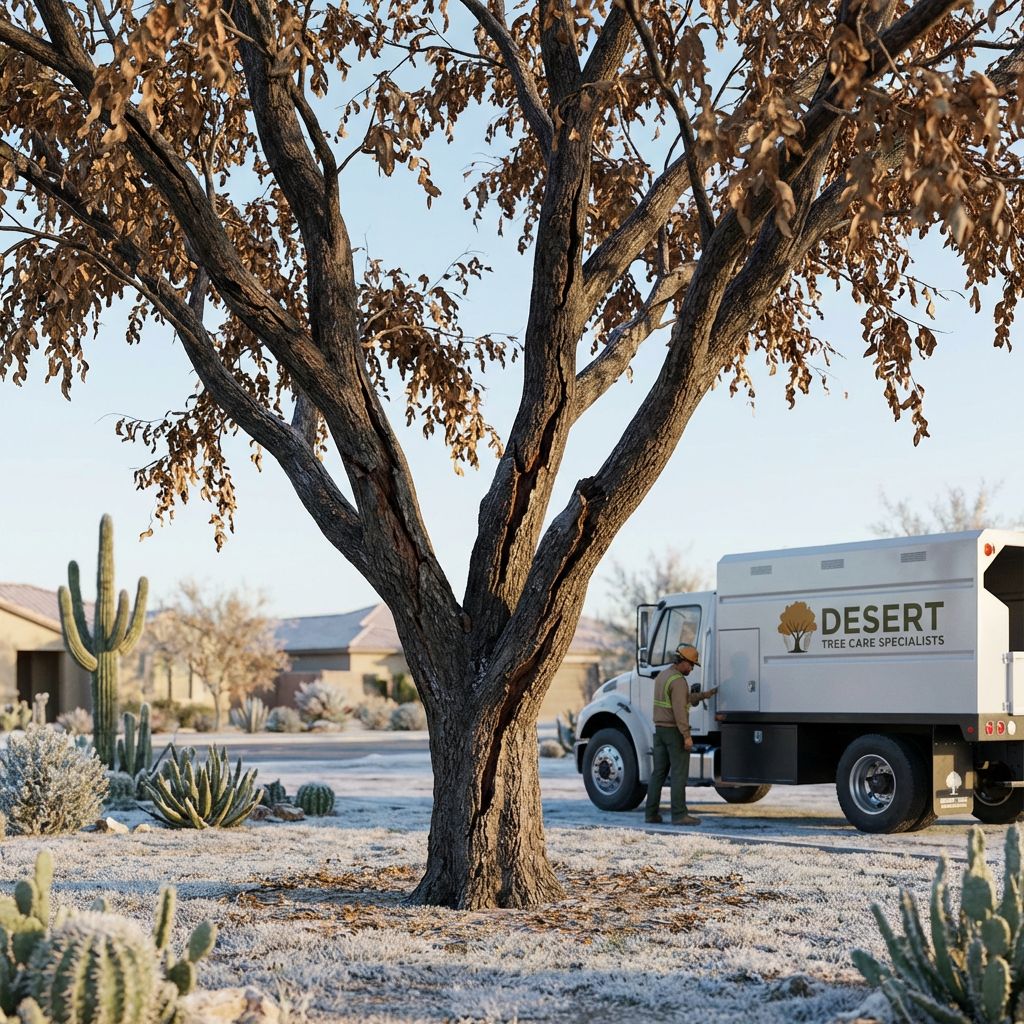
Discolored leaves appear first after cold snap events strike your landscape suddenly. Foliage turns brown, black, or yellow almost overnight in response to freezing temperatures. Leaves may curl, wilt, or drop prematurely from branches before normal autumn timing occurs.
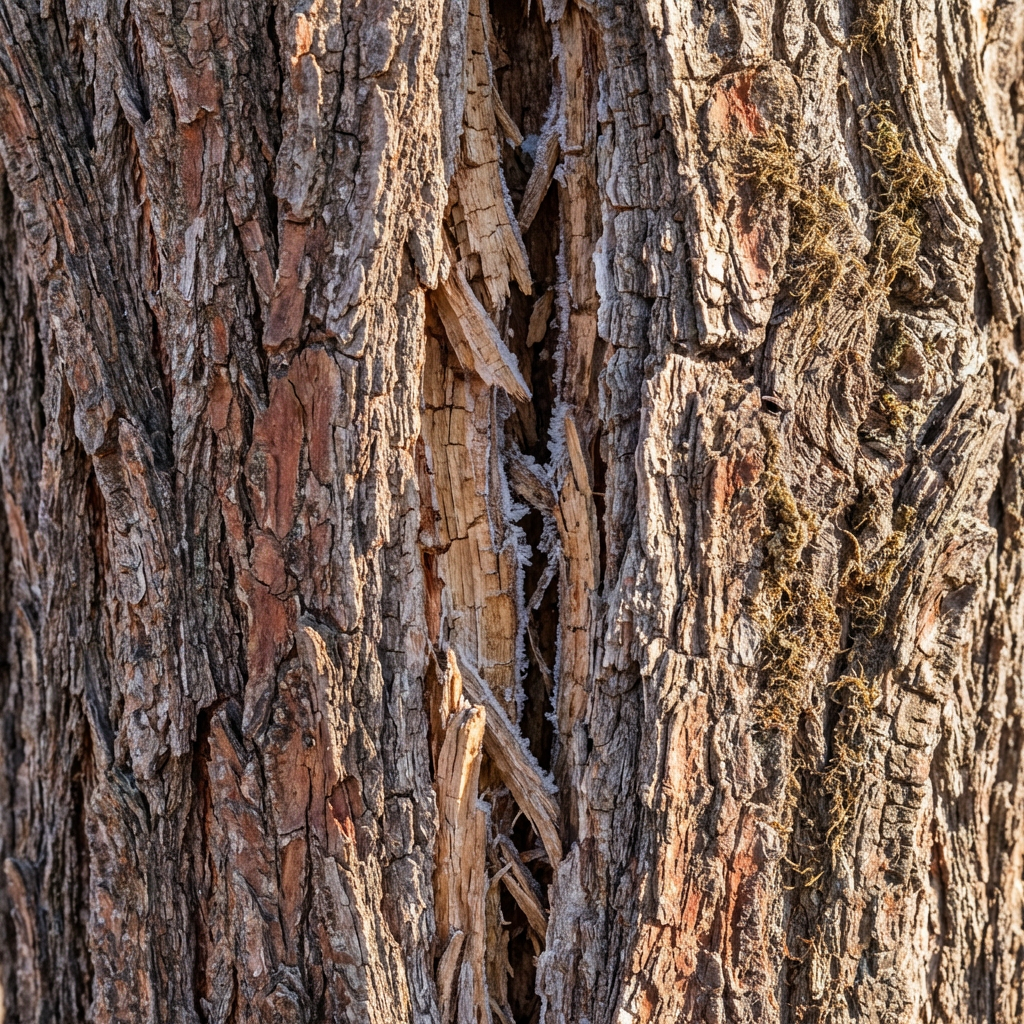
Bark splitting creates visible cracks along the trunk that worsen over time without treatment. Vertical splits expose inner wood to infection and pests that take advantage of exposed tissue. Peeling bark indicates severe tissue damage beneath the surface that extends into the tree’s vascular system.
Branch dieback starts at the tips and works inward toward the main trunk gradually. Dead wood appears dry, brittle, and lacks flexibility that healthy branches maintain. Twigs snap easily when you bend them gently, indicating complete loss of water content inside cells.
Delayed spring growth signals internal damage you cannot see from outside the tree. Buds fail to open or produce weak shoots that lack vigor and strength. Leaf emergence happens weeks later than normal timing, indicating the tree’s recovery struggle.
Sap oozing from wounds indicates stress response mechanisms activating throughout the tree. Trees push out moisture to protect damaged areas from infection and further deterioration. Sticky residue attracts insects and promotes fungal growth that creates additional problems.
Canopy thinning becomes obvious as weeks pass after the initial cold damage occurs. Branches that looked damaged in winter fail to produce leaves during the spring growth season. Some branches recover while others remain permanently dead, creating an uneven tree appearance.
Why Desert Trees Struggle with Temperature Drops
Desert trees adapted to extreme heat over millions of years, not cold conditions. Their cellular structure prioritizes water conservation over freeze protection mechanisms. Rapid temperature changes shock their biological systems completely, disrupting normal metabolic processes.
Arizona experiences dramatic day-to-night temperature swings in winter that stress all plants. Trees cannot adjust their metabolism fast enough to cope with extreme temperature fluctuations. This constant stress depletes energy reserves needed for survival and recovery.
Native species like mesquite and palo verde evolved differently from ornamental imports. They developed some cold tolerance through generations of natural adaptation and selection. Non-native ornamental trees lack these protective genetic traits that native species possess naturally.
Shallow root systems, common in desert trees, increase vulnerability to freezing damage significantly. Roots near the surface freeze faster than deep ones protected by soil insulation. Frozen roots cannot absorb water even when available, creating dehydration stress.
Low humidity compounds cold damage in Arizona’s dry climate year-round. Moisture loss through bark accelerates during freezing temperatures when humidity drops. Trees dehydrate while simultaneously dealing with frost damage to cells and tissues.
The desert’s intense sun during the day creates additional stress on frozen trees. Daytime warming causes ice inside cells to melt, then refreeze at night. This freeze-thaw cycle damages cell walls repeatedly throughout the winter months.
Arizona’s winter winds increase moisture loss through leaves and bark significantly. Wind removes protective moisture layers that help insulate plant tissues. Trees in windy locations suffer more damage than those in sheltered microclimates.
Frost Damage vs. Disease: Knowing the Difference
Frost damage appears suddenly after specific cold events strike your property. Symptoms show up within days of temperature drops, not gradually over weeks. Damage patterns affect exposed areas more than sheltered ones protected by structures.
Disease develops gradually over weeks or months of progression through the tree. Symptoms spread from infection points outward in patterns that follow vascular systems. Diseased tissue shows discoloration, rot, or fungal growth that indicates biological infection.
Cold damage affects entire trees uniformly across the canopy in most cases. All exposed branches show similar levels of stress from freezing temperatures. Protected areas remain healthier than wind-exposed sections that face harsh conditions.
Diseases create isolated problem areas on individual branches that spread slowly. Infection spreads unevenly through the tree structure over time, not uniformly. Healthy and sick branches exist side by side as the disease progresses gradually.
Timing provides the biggest clue to the accurate diagnosis of tree problems. Damage immediately following cold snaps indicates frost injury without question. Problems appearing during warm periods suggest disease or pests rather than weather damage.
Color patterns differ between frost damage and disease in important ways. Frost damage shows brown or black discoloration that appears suddenly overnight. Disease shows gradual color changes with possible fungal growth or oozing cankers.
Immediate Steps to Take After a Cold Snap
Wait before pruning any damaged branches or foliage immediately after cold events. Trees need time to reveal the full extent of damage before you remove anything. Premature cutting removes potentially viable wood that could recover with proper care.
Water deeply but infrequently to support stressed root systems during recovery. Moisture helps trees recover from dehydration caused by freezing temperatures. Avoid overwatering, which creates additional stress on compromised roots and promotes rot.
Protect trees from additional stress factors during recovery periods following damage. Avoid fertilizing until new growth appears in spring, when trees resume active growth. Skip heavy pruning until you see where regrowth emerges from branches.
Monitor trees weekly for changes in condition and symptoms of improvement. Take photos to document the progression of damage or recovery over time. Notes help professionals assess problems if you need expert help later.
Cover young or valuable trees before predicted cold nights arrive in the forecast. Use frost cloth or blankets to trap ground heat around the tree. Remove coverings during the daytime to prevent overheating and moisture buildup problems.
Check soil moisture regularly because frozen ground prevents water absorption. Water trees before predicted freezes to ensure adequate moisture in soil. Dry soil increases frost damage risk because dehydrated cells freeze more easily.
Avoid using salt or de-icing chemicals near trees during the winter months. These chemicals damage roots and increase stress on already weakened trees. Choose alternative pathways for foot traffic to protect tree root zones.
Long-Term Recovery Strategies for Stressed Trees
Patience becomes your most important tool during tree recovery from winter damage. Damaged trees need entire growing seasons to fully heal from severe frost injury. Rushing recovery with treatments often causes more harm than good to stressed trees.
Proper watering schedules support the gradual healing of damaged tissues throughout recovery. Deep watering every two weeks maintains consistent moisture levels in the soil. Adjust frequency based on soil type and drainage conditions specific to your property.
Light pruning removes only clearly dead wood after spring growth begins. Wait until new growth emerges to identify viable branches that will recover. Clean cuts prevent infection and promote faster wound closure and healing.
Mulch application protects roots and moderates soil temperature fluctuations throughout the seasons. Apply three inches of organic mulch around the base of damaged trees. Keep mulch away from direct trunk contact to prevent rot and pest problems.
A professional assessment identifies hidden damage you might miss examining alone. Certified arborists detect structural problems and disease risks early before escalation. Expert care plans address the specific needs of your trees based on species and damage.
Avoid pruning more than twenty-five percent of the canopy in any single year. Excessive pruning stresses trees further and reduces their ability to recover. A conservative pruning approach allows trees to maintain energy reserves for healing.
Monitor for pest infestations because stressed trees attract insects seeking weakened hosts. Watch for bark beetles, borers, and other pests that target damaged trees. Early pest detection prevents secondary infestations that compound damage problems.
Prevention Tips for Future Winter Protection
Select cold-hardy tree species appropriate for your specific microclimate conditions. Research temperature tolerance before purchasing new trees for planting on the property. Native species generally handle Arizona winters better than exotic imports.
Plant trees in protected locations away from harsh winds that increase damage. Buildings and walls provide natural windbreaks for young trees during winter. Southern exposures receive more warming sunlight during winter months, reducing frost risk.
Establish proper watering routines before winter arrives each year in the fall. Well-hydrated trees withstand cold stress better than dry ones lacking moisture. Deep watering in fall prepares trees for winter dormancy and cold temperatures.
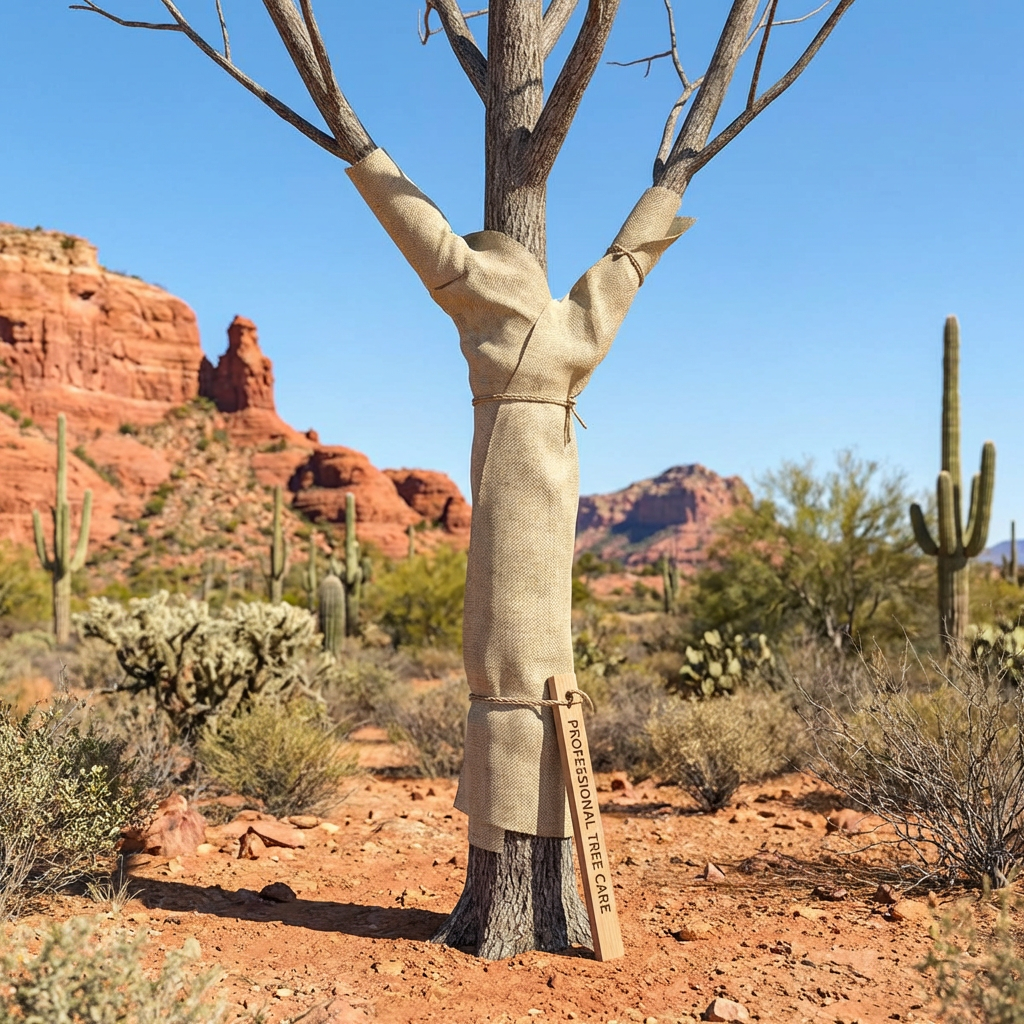
Apply protective wraps to young tree trunks before cold snaps arrive. White tree wrap reflects sunlight and prevents bark splitting from temperature extremes. Remove wraps in spring to avoid moisture and pest problems during warm months.
Monitor weather forecasts and prepare for predicted cold snaps in advance. Cover vulnerable trees before temperatures drop at night using frost cloth. Proactive protection prevents damage better than reactive treatments after damage occurs.
Prune trees properly during the growing season to improve structure and wind resistance. Well-structured trees withstand cold and wind damage better than poorly pruned ones. Professional pruning creates strong branch angles that resist damage.
Avoid excessive nitrogen fertilization in fall, which promotes tender new growth. New growth is more susceptible to frost damage than mature wood. Fall fertilization should focus on potassium to harden tissues for winter.
How Branch Management Tree Service Helps Your Trees
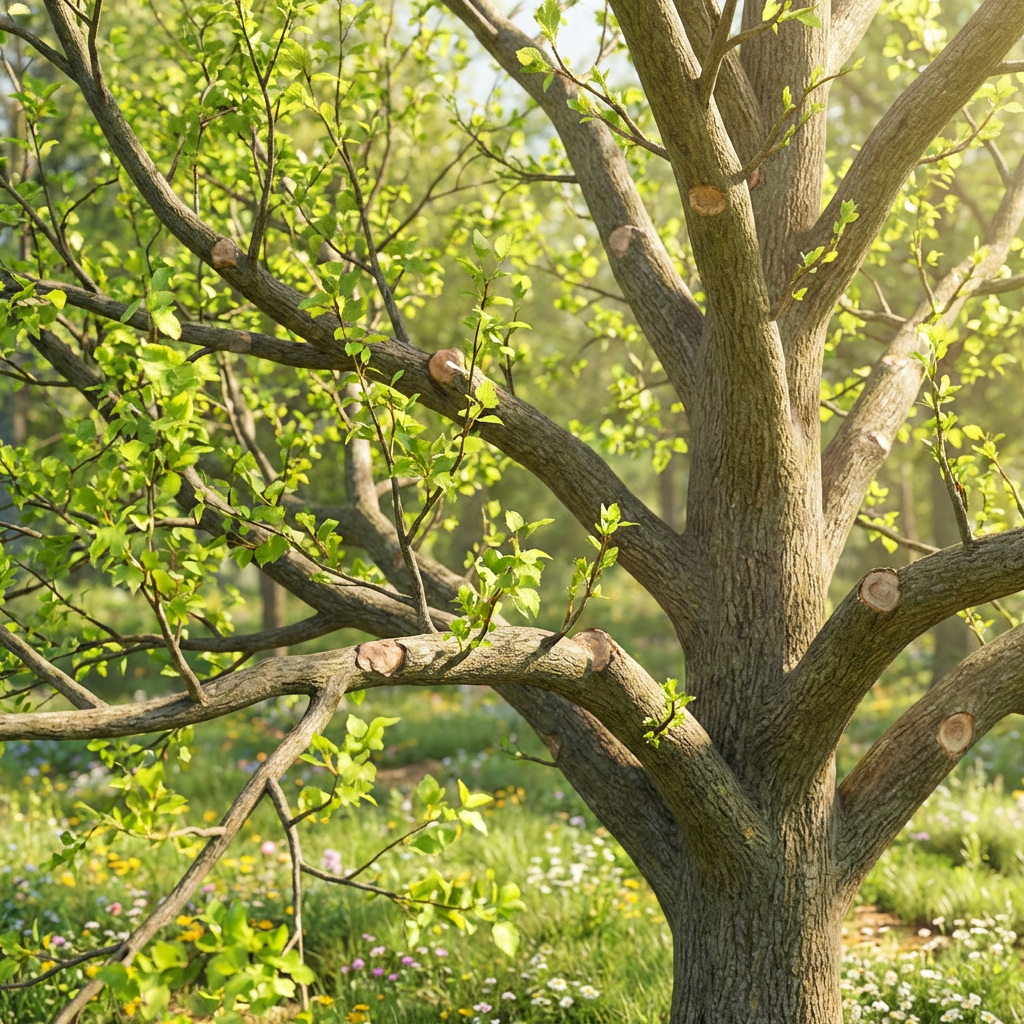
Branch Management Tree Service provides expert diagnosis of cold damage to your trees. Our certified arborists assess tree health and create customized recovery plans. We identify problems early before they become tree-threatening emergencies requiring removal.
Professional pruning removes damaged wood without harming viable tissue that can recover. We use proper techniques that promote healing and regrowth of healthy branches. Strategic cuts improve tree structure and reduce future risk from weather damage.
Deep root fertilization delivers nutrients directly where trees need them most. Our treatments support recovery without stressing damaged root systems further. Customized formulas address specific deficiencies in your soil based on testing.
Tree health monitoring tracks recovery progress throughout growing seasons following damage. Regular check-ups catch developing problems before they escalate into serious issues. Ongoing care ensures your investment thrives for decades ahead with proper management.
Emergency services respond quickly when winter damage threatens tree stability. We remove dangerous branches and stabilize compromised trees safely for your family. Our team protects your property and family from falling hazards during storms.
Disease treatment prevents secondary infections that commonly follow frost damage. We apply appropriate fungicides and treatments to protect exposed wood. Prevention of disease spread saves trees from complete failure after initial damage.
Cabling and bracing support trees with structural damage from severe frost. We install systems that allow trees to heal while maintaining stability. Professional installation ensures safety and effectiveness of support systems.
Call Branch Management Tree Service at 480-970-1315 for expert tree care today.
Show Your Trees Love This Valentine’s Day
Valentine’s Day offers the perfect opportunity to care for your trees properly. Show your landscape some love with professional tree health assessments this season. Healthy trees increase property value and provide lasting beauty for years.
Schedule a tree wellness check as a gift to yourself and your family. Investing in tree care now prevents costly removals later when problems escalate. Prevention costs less than emergency services after a tree failure occurs.
Trees provide shade, beauty, and environmental benefits for decades of enjoyment. They deserve attention and care just like any important relationship in life. Regular maintenance keeps them healthy, strong, and attractive through all seasons.
Give your property the gift of professional arborist expertise and knowledge. Our team helps your trees recover from winter stress and damage. Valentine’s care ensures spring brings vibrant growth and renewal to your landscape.
Treat your trees to deep watering, mulching, and inspection services today. These simple acts of care make tremendous differences in long-term tree health. Healthy trees reward you with decades of enjoyment and increased property value.
Create a tree care plan that protects your investment year-round. Professional planning prevents problems before they become expensive emergencies. Love your trees by providing the care they need to thrive.
When to Call a Professional Arborist
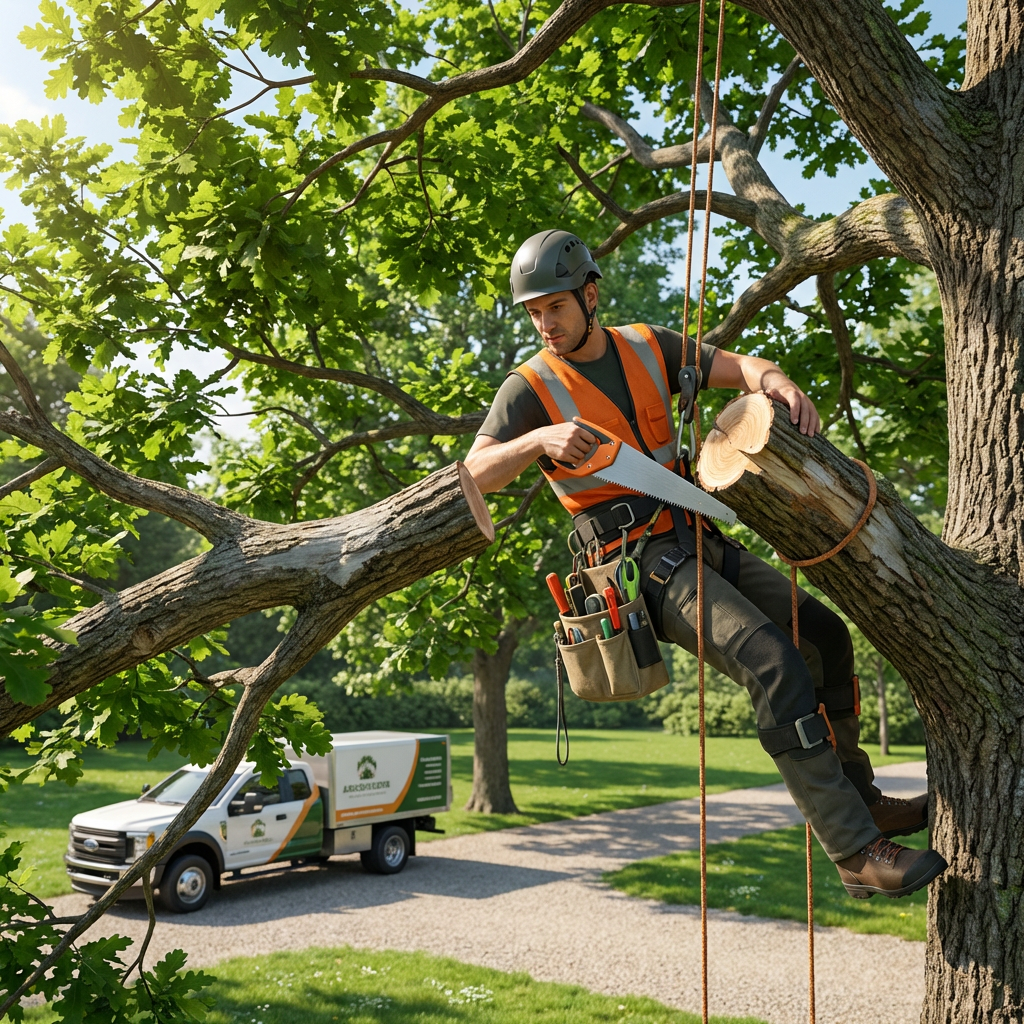
Large branches hanging dangerously require immediate professional attention. Unstable trees threaten property and people during wind events and storms. Never attempt to remove large limbs yourself without proper equipment and training.
Extensive bark splitting indicates serious structural damage inside trees. Professionals assess whether trees can recover or need to be completely removed. Early intervention prevents complete tree failure and property damage from falling branches.
Widespread dieback affecting more than thirty percent of the canopy needs assessment. Severe damage often exceeds homeowner treatment capabilities and knowledge base. Arborists determine if trees can be saved successfully or should be removed.
Uncertainty about tree health or appropriate treatment approaches matters greatly. Professional diagnosis prevents mistakes that worsen tree conditions accidentally. Expert advice saves time, money, and trees in crisis situations.
Trees near structures, power lines, or high-traffic areas require professional care. Professional care ensures safety while protecting your valuable property investment. Certified arborists always carry insurance and follow industry safety standards.
Multiple trees showing similar damage suggest environmental or disease problems. Professional assessment identifies root causes affecting your entire landscape. Comprehensive solutions address underlying problems affecting multiple trees.
Trees leaning or showing signs of root damage need immediate evaluation. Professional assessment determines if trees can be saved or must be removed. Safety concerns require prompt professional attention and action.
FAQs
Q. How long does it take for trees to recover from cold damage?
Recovery time varies from several months to multiple growing seasons, depending on severity. Minor damage heals within one season with proper care and management. Severe damage may require two to three years for full recovery to occur. Some trees never fully recover from extensive cold injury and decline. Professional assessment helps predict realistic recovery timelines for your specific trees.
Q. Should I fertilize my tree after cold damage?
Wait until new growth appears before applying any fertilizers to damaged trees. Fertilizing damaged trees can stress them further during the recovery period. Trees need energy for healing, not new growth production initially. Spring fertilization supports recovery once active growth resumes naturally. Use slow-release formulas designed for stressed trees specifically for the best results.
Q. Can dead looking branches still be alive after frost?
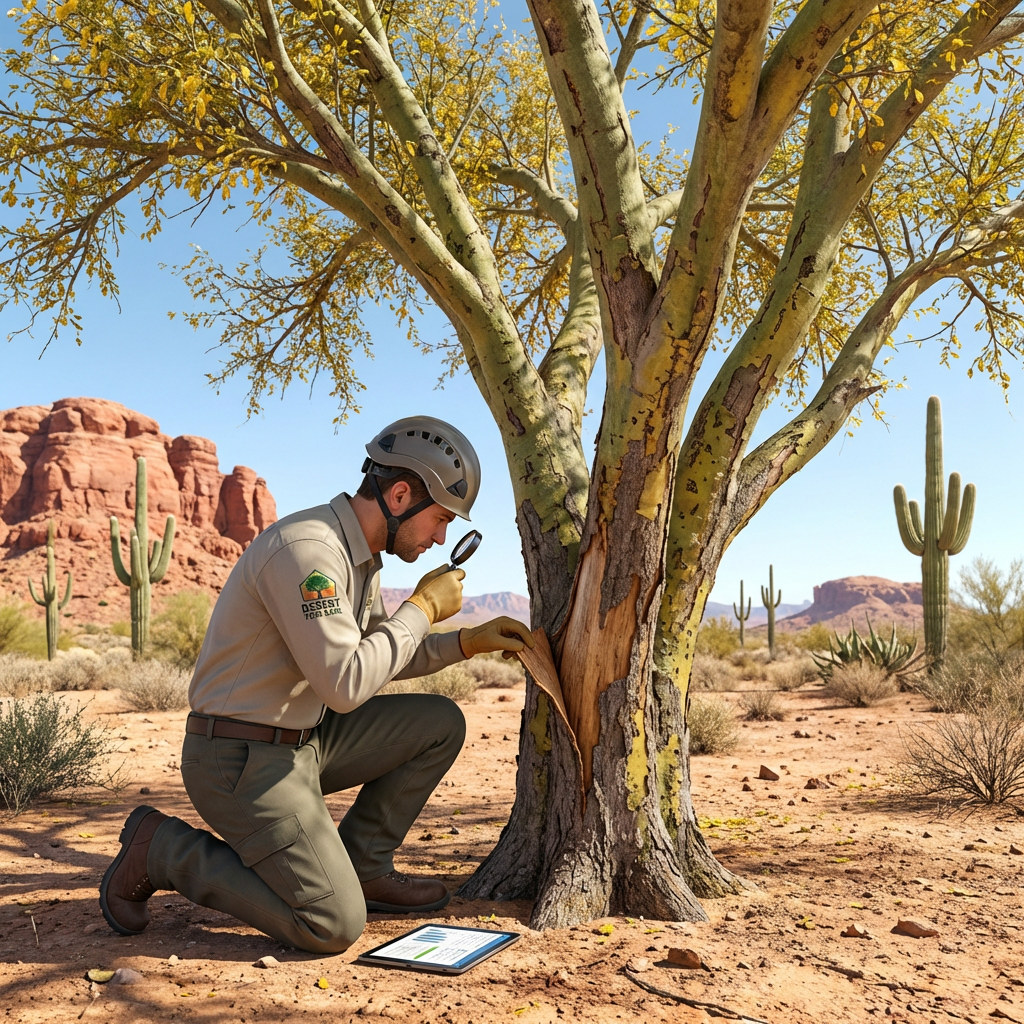
Yes, many branches appear dead but retain living tissue inside the wood. Wait until spring to assess the true viability of damaged wood carefully. Scratch bark gently to check for green tissue underneath the surface. Green indicates living cambium that can produce new growth eventually. Dead wood shows brown, dry tissue with no moisture present inside.
Conclusion
Don’t wait until winter damage becomes a tree emergency situation. Branch Management Tree Service provides comprehensive care for stressed Arizona trees. Our certified arborists bring decades of experience to every property we serve.
We understand Arizona’s unique climate challenges and tree needs completely. Our customized treatment plans address your specific landscape conditions perfectly. Protect your investment with professional care that delivers lasting results.
Schedule your tree health assessment today before spring arrives soon. Early intervention gives trees the best chance for full recovery. Our team identifies problems and implements solutions that work effectively.
Your trees deserve expert care from Arizona’s trusted tree professionals. We provide pruning, health assessments, disease treatment, and emergency services. Let us help your trees thrive through every season.
CTA
Contact Branch Management Tree Service at 480-970-1315 now. Visit aztreedoctor.com to learn more about our comprehensive tree care services.
Services We Provide
Branch Management Tree Service offers complete solutions for winter-damaged trees:
Tree Health Assessments – Comprehensive evaluation of cold damage and recovery potential
Professional Pruning – Expert removal of damaged wood using proper techniques
Disease Treatment – Management of infections that follow cold stress
Winter Protection – Wrapping and covering services for vulnerable trees
Call 480-970-1315 for professional tree care in Scottsdale and the Phoenix area.
Tags
Arizona tree care, cold damage trees, winter tree stress
Comments are closed