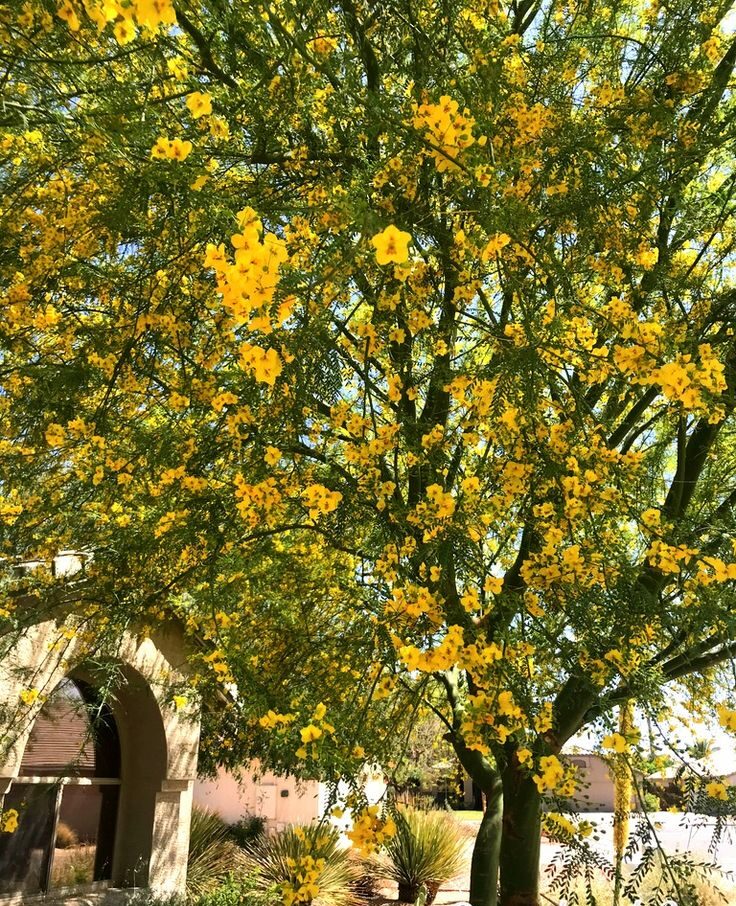
Discover Arizona tree care tips to keep desert trees healthy with expert guidance from Scottsdale’s trusted tree professionals.
Table of Contents
1. Introduction: Arizona Tree Care in a Desert Climate
2. Understanding Arizona’s Unique Tree Care Challenges
3. Selecting the Right Trees for Arizona Landscapes
4. Essential Watering Techniques for Arizona Trees
5. Pruning Strategies for Arizona Trees
6. Fertilization and Nutrient Management
7. Pest and Disease Management in Arizona
8. Protecting Trees from Arizona’s Extreme Weather
9. Professional Tree Care Services
10. When to Call Professional Arborists
11. Choosing a Tree Care Company in Arizona
12. Thriving Trees in the Arizona Desert
13. Conclusion
Introduction: Arizona Tree Care in a Desert Climate
Arizona’s unique desert climate presents both challenges and opportunities for tree care enthusiasts and property owners. With scorching summers, mild winters, and minimal rainfall, maintaining healthy trees requires specialized knowledge and consistent attention. Whether you’re managing mature mesquite trees, newly planted palms, or ornamental species, understanding Arizona’s specific tree care requirements is essential for long-term success.
At Branch Management Tree Service in Scottsdale, we’ve spent years perfecting tree management techniques that work specifically for Arizona’s challenging environment. This comprehensive guide shares our expertise to help you maintain vibrant, healthy trees year-round.
Understanding Arizona’s Unique Tree Care Challenges
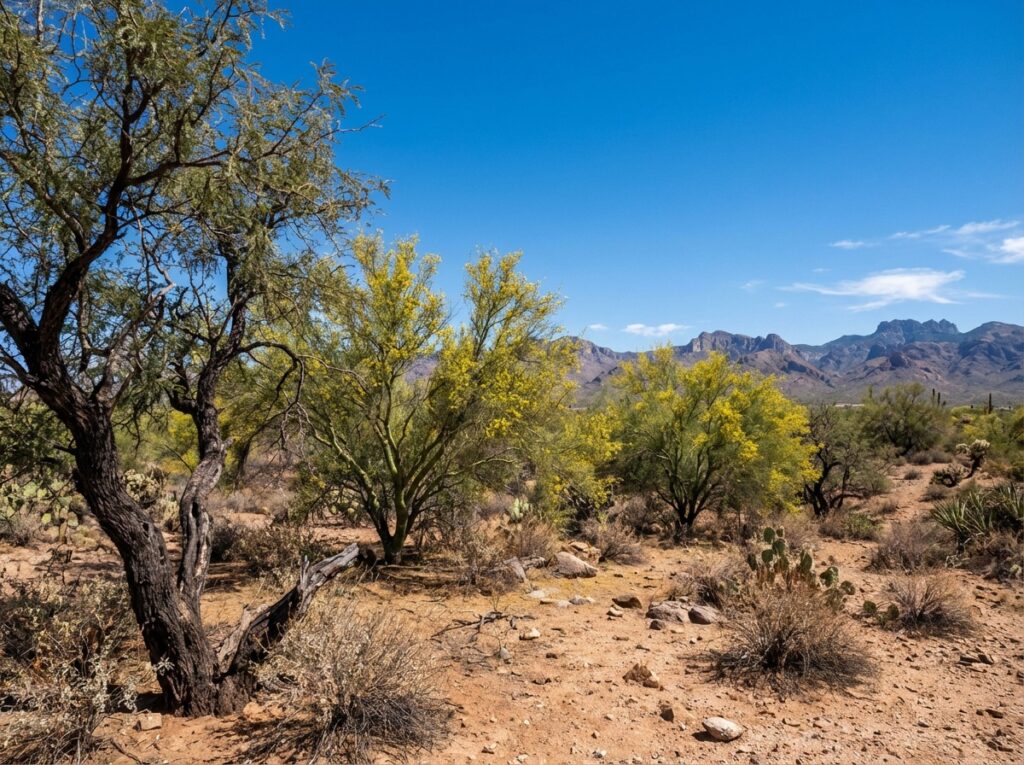
Arizona’s desert climate creates a distinctive set of conditions that significantly impact tree health and management strategies. The extreme temperature fluctuations, low humidity, alkaline soil, and intense UV radiation require specialized approaches that differ dramatically from traditional tree care methods used in other regions.
Climate Considerations for Arizona Trees
The Arizona desert experiences temperature swings that can stress even the hardiest tree species. Summer temperatures regularly exceed 110°F in Phoenix and Scottsdale, while winter nights can occasionally drop below freezing. This dramatic range affects tree metabolism, water uptake, and overall vitality.
Low humidity levels, often below 20% during summer months, increase transpiration rates and water loss through leaves. Trees must work harder to retain moisture, making proper irrigation absolutely critical. The intense UV radiation at Arizona’s elevation can also damage sensitive bark and foliage, particularly on young or newly transplanted trees.
Soil Composition and pH Levels
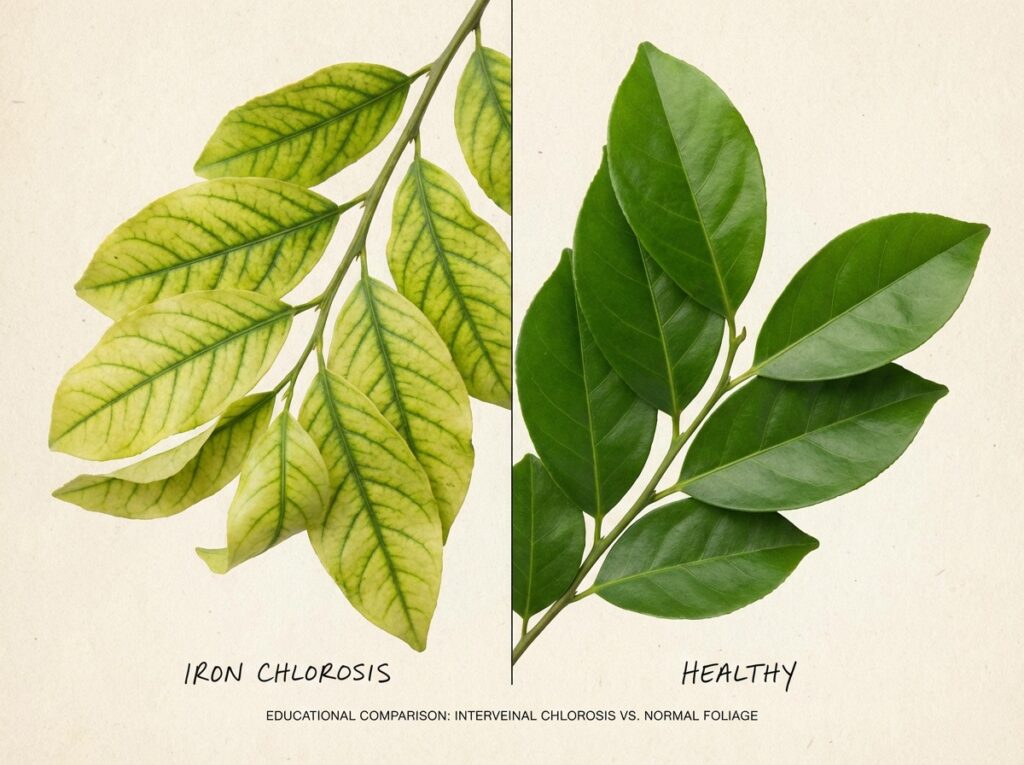
Arizona soils are predominantly alkaline, with pH levels typically ranging from 7.5 to 8.5. This high alkalinity affects nutrient availability, particularly iron, manganese, and zinc. Many trees exhibit chlorosis (yellowing leaves) due to iron deficiency, even when iron is present in the soil but unavailable for uptake.
The caliche layer, a hardened calcium carbonate deposit found throughout much of Arizona, presents another significant challenge. This impermeable layer restricts root growth and water penetration, requiring special planting techniques and ongoing management strategies.
Water Scarcity and Conservation
Water is Arizona’s most precious resource, and responsible tree care must balance plant health with conservation. Understanding efficient irrigation methods, choosing drought-tolerant species, and implementing water-saving techniques are essential components of sustainable Arizona tree management.
Selecting the Right Trees for Arizona Landscapes
Choosing appropriate tree species is the foundation of successful Arizona tree management. Native and well-adapted species thrive with less maintenance, require less water, and better withstand local pests and diseases.
Best Native Trees for Arizona
Desert Willow (Chilopsis linearis): This beautiful flowering tree produces stunning trumpet-shaped blooms from spring through fall. Extremely drought-tolerant once established, desert willows grow 15-25 feet tall and adapt well to various soil types.
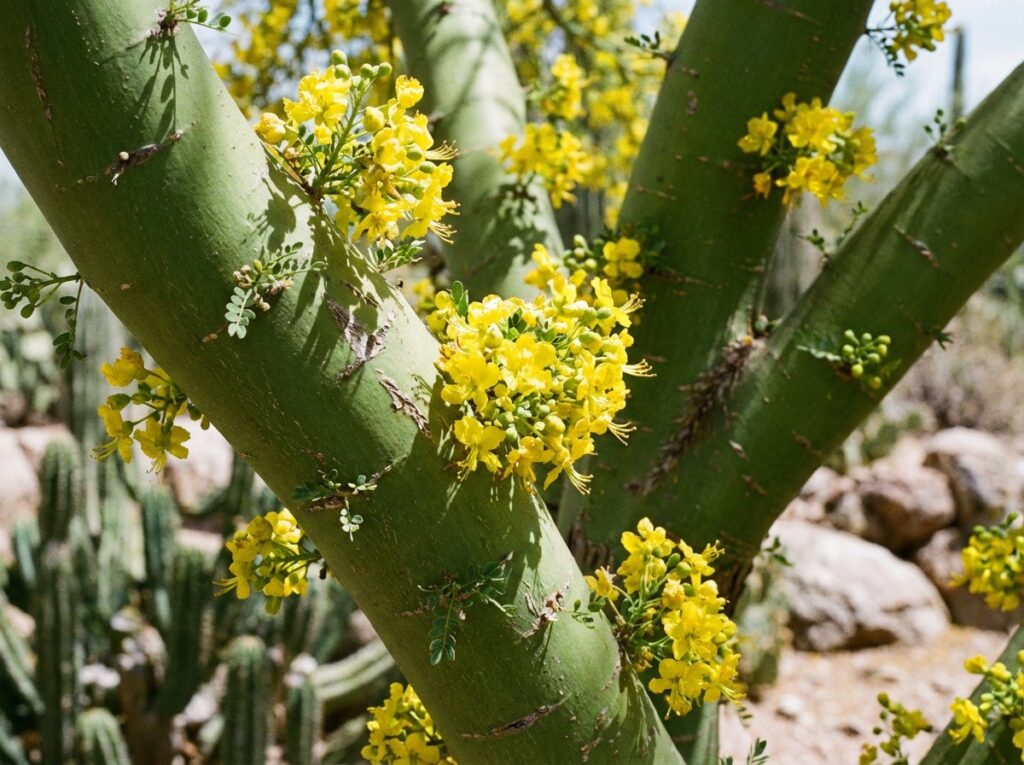
Palo Verde (Parkinsonia species): Arizona’s state tree, palo verde varieties provide filtered shade, stunning yellow spring blooms, and exceptional heat tolerance. Their green bark performs photosynthesis, allowing them to thrive even during drought conditions.
Mesquite (Prosopis species): These iconic desert trees offer deep shade, nitrogen-fixing capabilities, and remarkable drought resistance. Mesquites develop extensive root systems that access deep water sources, making them incredibly resilient.
Adapted Non-Native Species
Several non-native species perform exceptionally well in Arizona when properly maintained:
Chinese Pistache (Pistacia chinensis): Offering brilliant fall color and moderate water requirements, Chinese pistache trees provide excellent shade and adapt well to alkaline soils.
Tipu Tree (Tipuana tipu): This fast-growing shade tree tolerates heat well and produces attractive yellow flowers. It requires moderate water and grows 25-35 feet tall.
African Sumac (Rhus lancea): With its weeping form and evergreen foliage, African sumac provides year-round beauty with relatively low water needs once established.
Trees to Avoid in Arizona
Certain species struggle in Arizona’s climate and should generally be avoided:
Birch trees: Require excessive water and suffer from heat stress
Most maples: Need more moisture and cooler temperatures than Arizona provides
Weeping willows: Demand constant moisture and attract numerous pests
Mulberry trees: While heat-tolerant, they’re extremely messy and allergenic
Essential Watering Techniques for Arizona Trees
Proper irrigation is the single most critical factor in Arizona tree health. Both overwatering and underwatering cause significant problems, making it essential to understand your trees’ specific needs.
Deep Watering Principles
Arizona trees benefit most from infrequent, deep watering rather than frequent shallow irrigation. Deep watering encourages roots to grow downward, accessing cooler soil and moisture reserves while developing drought resistance.
For established trees, water should penetrate 24-36 inches deep, reaching the entire root zone. Use a soil probe or long screwdriver to check moisture depth after watering. If you can’t easily push the probe to 24 inches, you haven’t watered deeply enough.
Seasonal Watering Schedules
Spring (March-May): As temperatures rise and trees enter active growth, increase watering frequency. Established trees typically need deep watering every 7-10 days.
Summer (June-September): Peak water demand occurs during Arizona’s hottest months. Most established trees require deep watering every 3-7 days, depending on species, size, and soil type. Newly planted trees may need water 2-3 times weekly.
Fall (October-November): As temperatures moderate, gradually reduce watering frequency to every 10-14 days for established trees.
Winter (December-February): Dormant trees require minimal water, typically every 2-4 weeks. However, don’t neglect winter watering entirely, as Arizona’s dry winters can stress trees.
Irrigation System Recommendations
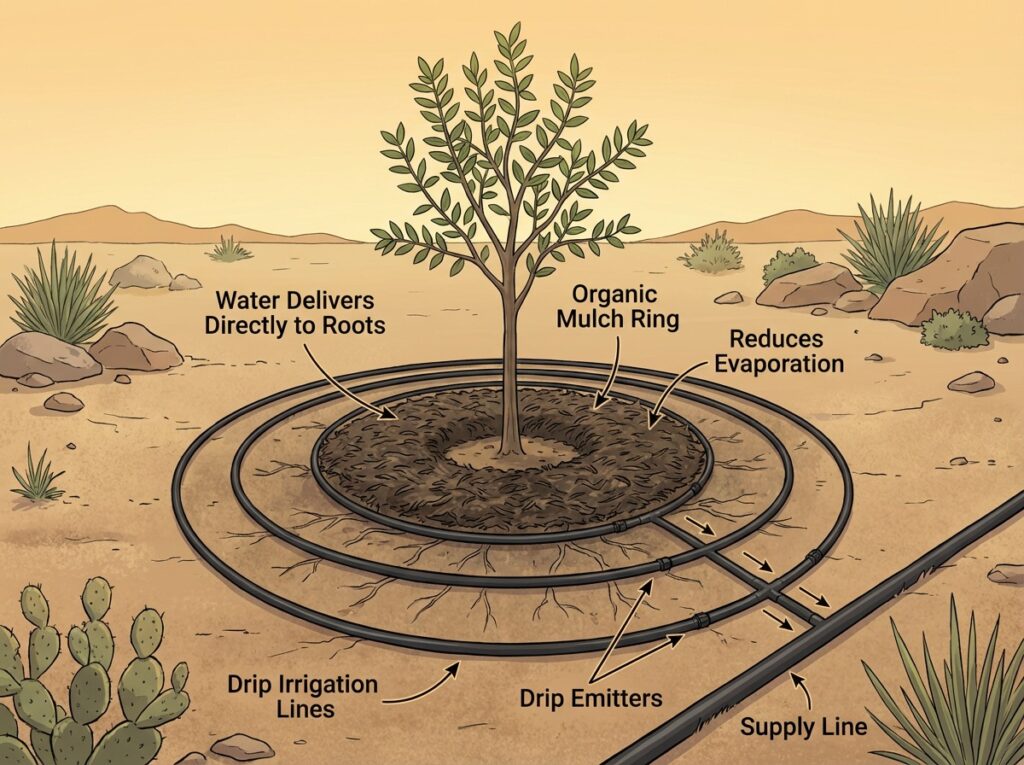
Drip irrigation: The most efficient method for Arizona trees, delivering water directly to root zones with minimal evaporation. Install emitters in a circle extending from the trunk to beyond the canopy drip line.
Bubblers: Effective for larger trees, bubblers create a slow-flowing water basin that allows deep penetration without runoff.
Soaker hoses: A cost-effective option for smaller trees and shrubs, though less precise than drip systems.
Avoid overhead sprinklers, which waste significant water to evaporation and can promote fungal diseases by wetting foliage.
Pruning Strategies for Arizona Trees
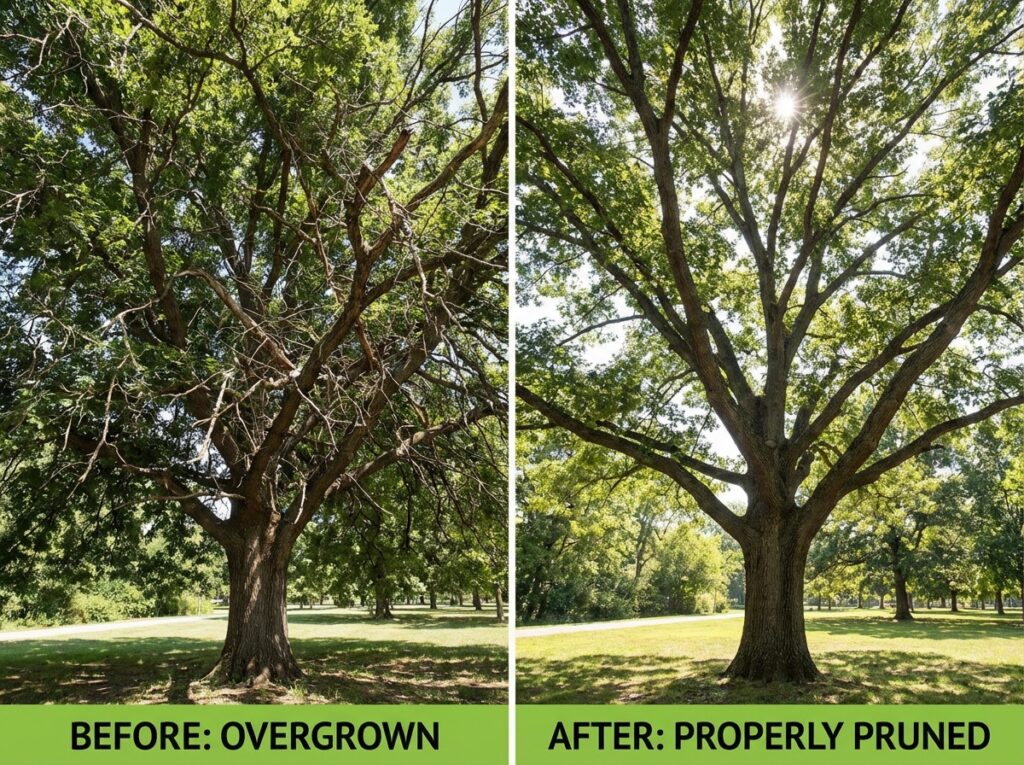
Strategic pruning maintains tree health, improves structure, enhances safety, and promotes aesthetic appeal. However, improper pruning can severely damage trees, making it essential to understand correct techniques and timing.
When to Prune Arizona Trees
Late winter/early spring: The ideal time for most deciduous trees, pruning during dormancy minimizes stress and disease transmission while allowing you to see branch structure clearly.
After flowering: For spring-blooming trees like palo verde and desert willow, prune immediately after flowers fade to avoid removing next year’s buds.
Avoid summer pruning: Cutting during extreme heat stresses trees and exposes fresh wounds to intense sun, potentially causing sunscald damage.
Emergency pruning: Remove hazardous branches immediately, regardless of season, to prevent property damage or injury.
Proper Pruning Techniques
The three-cut method: For branches over 1 inch diameter, use three cuts to prevent bark tearing. Make an undercut first, then a top cut slightly further out, and finally a clean cut at the branch collar.
Branch collar preservation: Never cut flush with the trunk. The branch collar contains specialized cells that seal wounds and prevent decay. Cut just outside this swollen area.
Thinning vs. topping: Always thin by removing entire branches at their origin point. Never “top” trees by cutting main stems, which creates weak regrowth, decay, and permanent structural damage.
How Much to Remove
The “25% rule” suggests removing no more than 25% of a tree’s canopy in a single year. Excessive pruning stresses trees, reduces photosynthesis capacity, and can trigger aggressive, weak regrowth.
Focus on removing: – Dead, diseased, or damaged branches – Crossing or rubbing branches – Water sprouts and suckers – Branches with narrow crotch angles (less than 45 degrees) – Lower branches that interfere with clearance needs
Fertilization and Nutrient Management
Arizona’s alkaline soils often lack available nutrients, making supplemental fertilization necessary for optimal tree health. However, over-fertilization causes problems, so understanding proper application methods and timing is crucial.
Identifying Nutrient Deficiencies
Iron chlorosis: The most common deficiency in Arizona, causing yellowing leaves with green veins. Particularly affects citrus, roses, and certain shade trees.
Nitrogen deficiency: Results in overall pale green or yellow foliage and reduced growth. Older leaves show symptoms first.
Zinc deficiency: Causes small, narrow leaves and shortened internodes, creating a rosette appearance at branch tips.
Fertilization Timing and Methods
Spring application: Apply fertilizer in March or April as trees break dormancy and begin active growth. This timing maximizes nutrient uptake and supports healthy development.
Fall application: A second, lighter application in October helps trees prepare for winter and supports root growth during cooler months.
Slow-release formulations: Prefer slow-release fertilizers that provide nutrients gradually over several months, reducing waste and preventing fertilizer burn.
Addressing Iron Chlorosis
Iron chlorosis requires special treatment in Arizona’s alkaline soils:
Iron chelates: Apply iron chelate (Fe-EDDHA) to soil around the drip line. This form remains available even in alkaline conditions.
Foliar sprays: For quick greening, spray iron sulfate solution directly on leaves. This provides temporary relief while soil treatments take effect.
Soil acidification: Incorporate sulfur or acidifying fertilizers to lower pH in the root zone, improving nutrient availability.
Pest and Disease Management in Arizona
Arizona’s climate discourages many common tree diseases but creates ideal conditions for certain pests. Early detection and integrated pest management strategies protect tree health while minimizing chemical interventions.
Common Arizona Tree Pests
Palo verde beetles: These large beetles emerge during monsoon season. While alarming in appearance, adults don’t harm trees. Larvae feed on roots but rarely cause significant damage to healthy trees.
Mesquite borers: Flatheaded borers attack stressed mesquite trees, creating galleries under bark. Maintain tree health through proper watering and avoid trunk injuries to prevent infestation.
Aphids: These sap-sucking insects excrete honeydew, attracting ants and promoting sooty mold growth. Control with insecticidal soap or encourage natural predators like ladybugs.
Spider mites: Particularly problematic during hot, dry weather, spider mites cause stippled, bronzed foliage. Increase humidity through proper watering and use miticides if necessary.
Disease Prevention and Management
Root rot: Overwatering in poorly drained soils causes root rot, particularly in non-native species. Ensure proper drainage and avoid excessive irrigation.
Slime flux: Bacterial infection causing dark, foul-smelling ooze from bark. No effective treatment exists, but maintaining tree vigor helps trees compartmentalize infection.
Mistletoe: This parasitic plant weakens trees by stealing water and nutrients. Remove infected branches at least 12 inches below visible mistletoe growth.
Integrated Pest Management Approach
1.Monitor regularly: Inspect trees monthly for pest and disease signs
2.Maintain tree health: Healthy trees resist pests better than stressed specimens
3.Encourage beneficial insects: Ladybugs, lacewings, and parasitic wasps control many pests naturally
4.Use targeted treatments: Apply pesticides only when necessary, choosing products specific to the problem pest
5.Proper timing: Treat pests during vulnerable life stages for maximum effectiveness
Protecting Trees from Arizona’s Extreme Weather
Arizona’s weather extremes from scorching summer heat to occasional freezing temperatures and violent monsoon storms require proactive protective measures.
Summer Heat Protection
Trunk wrapping: Protect young or thin-barked trees from sunscald by wrapping trunks with tree wrap or painting with diluted white latex paint.
Mulching: Apply 3-4 inches of organic mulch around trees, keeping it 6 inches away from trunks. Mulch moderates soil temperature, retains moisture, and suppresses weeds.
Adequate watering: Maintain consistent moisture during heat waves to prevent drought stress and heat damage.
Monsoon Storm Preparation
Structural pruning: Remove weak, dead, or poorly attached branches before monsoon season (typically July-September).
Staking: Newly planted trees need secure staking to prevent wind damage. Use flexible ties that allow some trunk movement.
Lightning protection: Consider lightning protection systems for valuable specimen trees in exposed locations.
Frost Protection for Sensitive Species
While most Arizona winters are mild, occasional freezes threaten sensitive species:
Frost cloth: Cover small trees with frost cloth when temperatures drop below 32°F.
Watering before freezes: Moist soil retains heat better than dry soil, providing some protection.
Avoid late-season fertilization: Don’t fertilize after August, as new growth is more frost-sensitive.
Professional Tree Care Services
While many tree care tasks are manageable for homeowners, certain situations require professional expertise and equipment.
When to Call Professional Arborists
Large tree pruning: Trees over 15 feet tall or requiring ladder work are best handled by professionals with proper equipment and safety training.
Tree removal: Removing trees, especially near structures or power lines, requires specialized skills and equipment.
Disease diagnosis: Certified arborists can accurately identify diseases and recommend appropriate treatments.
Emergency storm damage: After severe weather, professionals can safely remove damaged branches and assess structural integrity.
Root zone issues: Problems with roots, caliche layers, or drainage often require professional assessment and solutions.
Choosing a Tree Care Company in Arizona
Look for companies with: – ISA certification: Certified arborists have demonstrated knowledge and expertise – Proper insurance: Verify liability and workers’ compensation coverage – Local experience: Arizona-specific knowledge is essential – References: Check reviews and ask for references from previous clients – Written estimates: Professional companies provide detailed, written proposals
Branch Management Tree Service in Scottsdale offers comprehensive tree care services throughout the Phoenix metropolitan area. With decades of Arizona-specific experience, we understand the unique challenges of desert tree management. For expert tree care consultation and services.
Thriving Trees in the Arizona Desert
Successfully managing trees in Arizona’s challenging climate requires knowledge, attention, and appropriate techniques. By selecting suitable species, implementing proper watering schedules, pruning strategically, addressing nutrient needs, and protecting against pests and weather extremes, you can maintain beautiful, healthy trees that enhance your property and provide valuable shade and beauty.
Remember that tree care is an ongoing commitment. Regular monitoring, seasonal adjustments, and prompt attention to problems ensure your trees remain assets rather than liabilities. Whether you manage your trees yourself or partner with professional arborists, understanding Arizona’s unique requirements is the foundation of success.
Conclusion
For expert tree care services in Scottsdale and throughout the Phoenix area, trust the professionals at Branch Management Tree Service. Our team brings specialized knowledge and proven techniques to every project, ensuring your trees receive the care they need to thrive in Arizona’s desert environment.
Tags
Arizona tree care, desert tree management, Scottsdale tree service.
Comments are closed